Faculty of Tourism of Malaga
Faculty of Tourism of Malaga
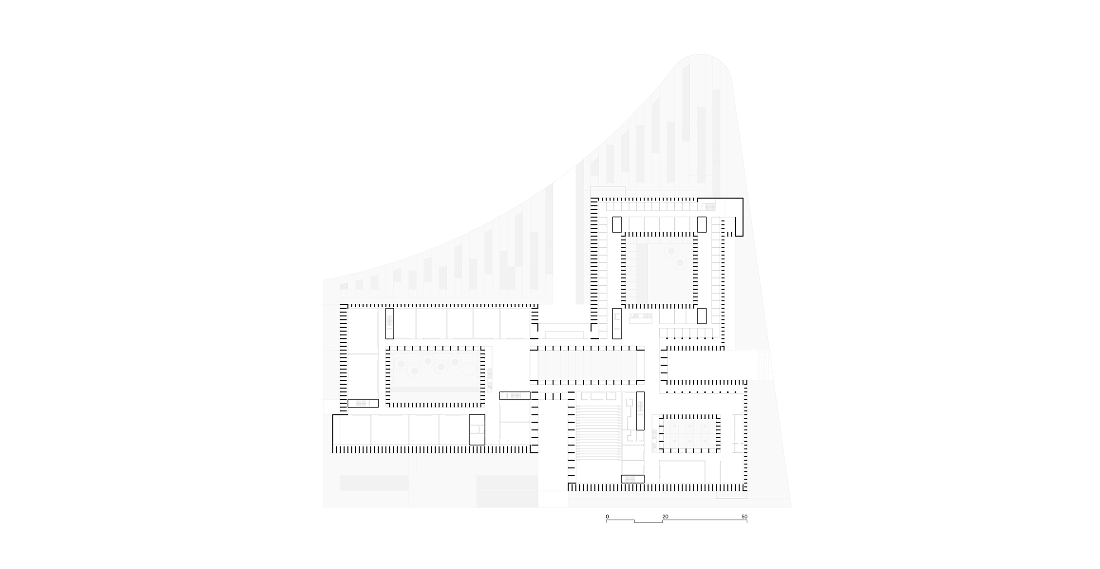
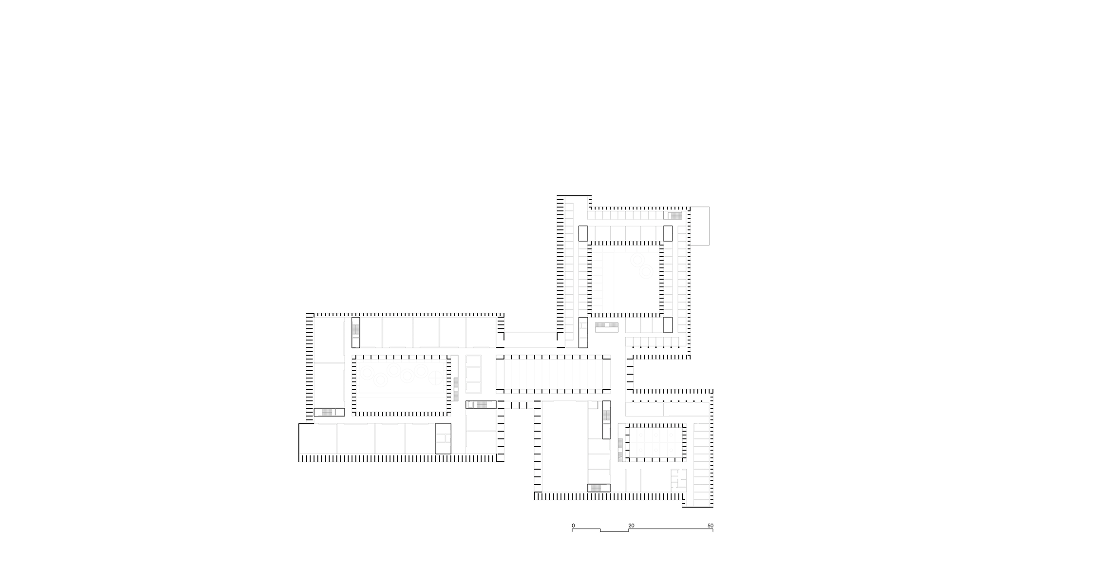
Located in Malaga, designed by the Vaillo+Architects studio, it follows the tradition of educational architecture based on a system of volumes around courtyards, recovering the cloister as an organizational, spatial and volumetric system.
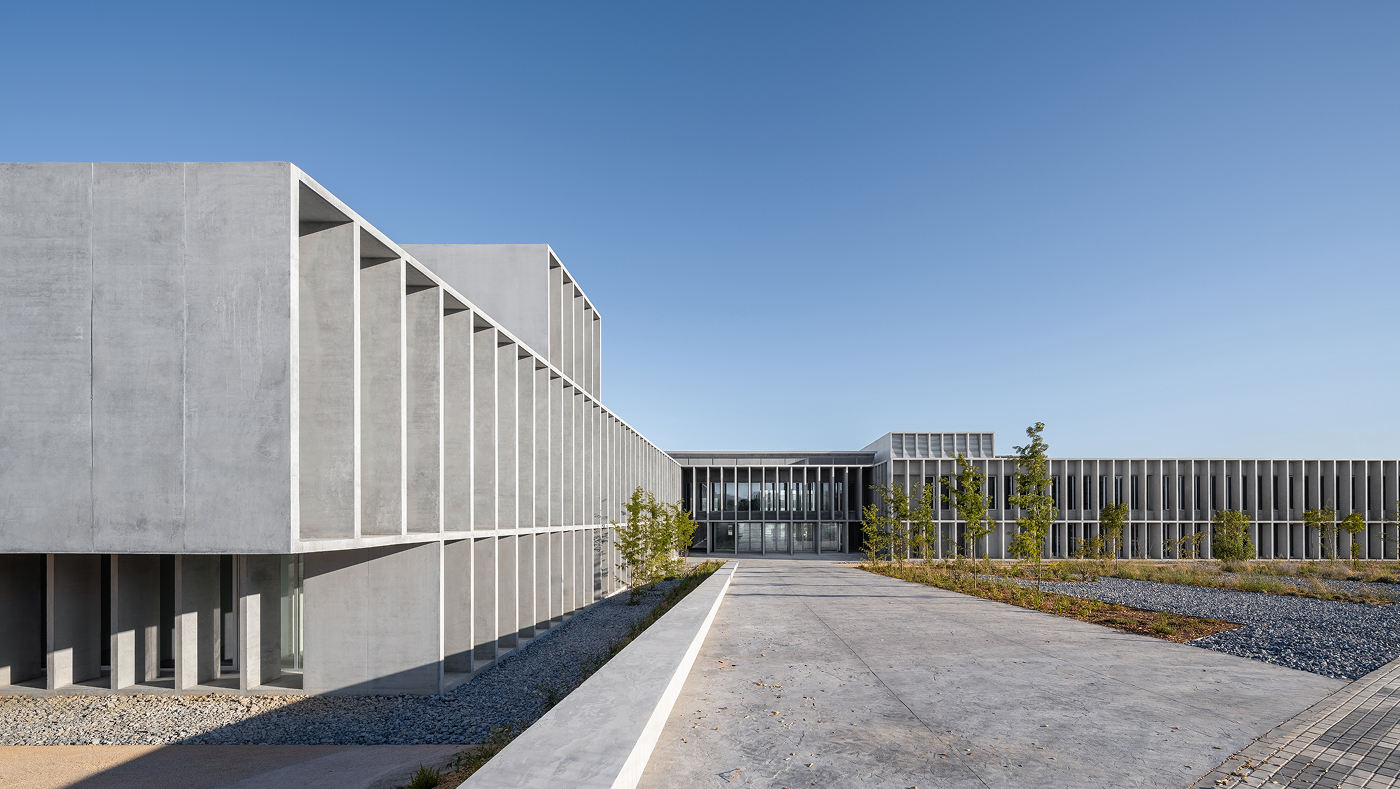
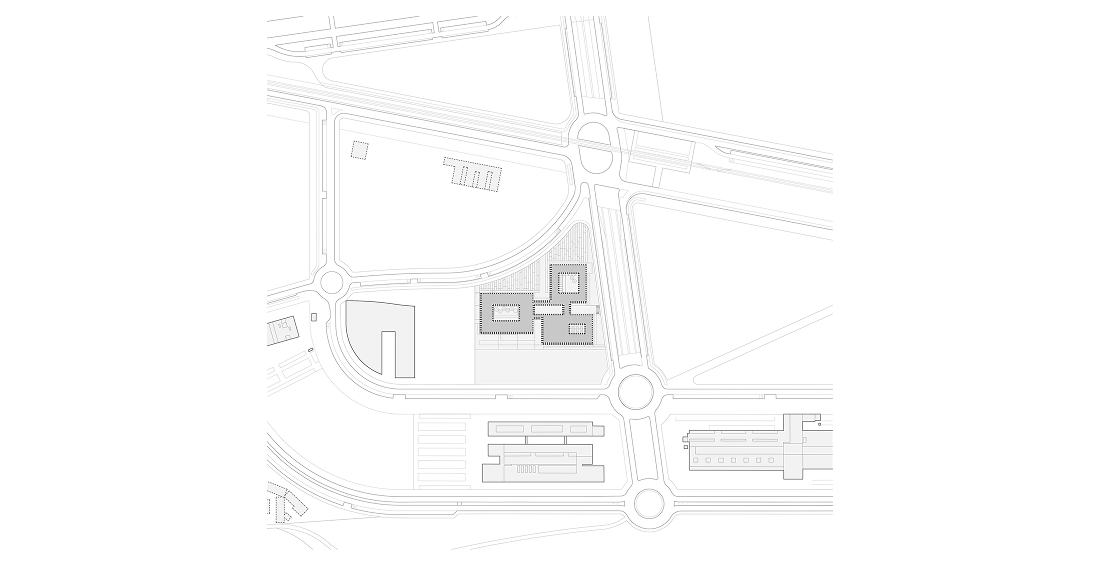
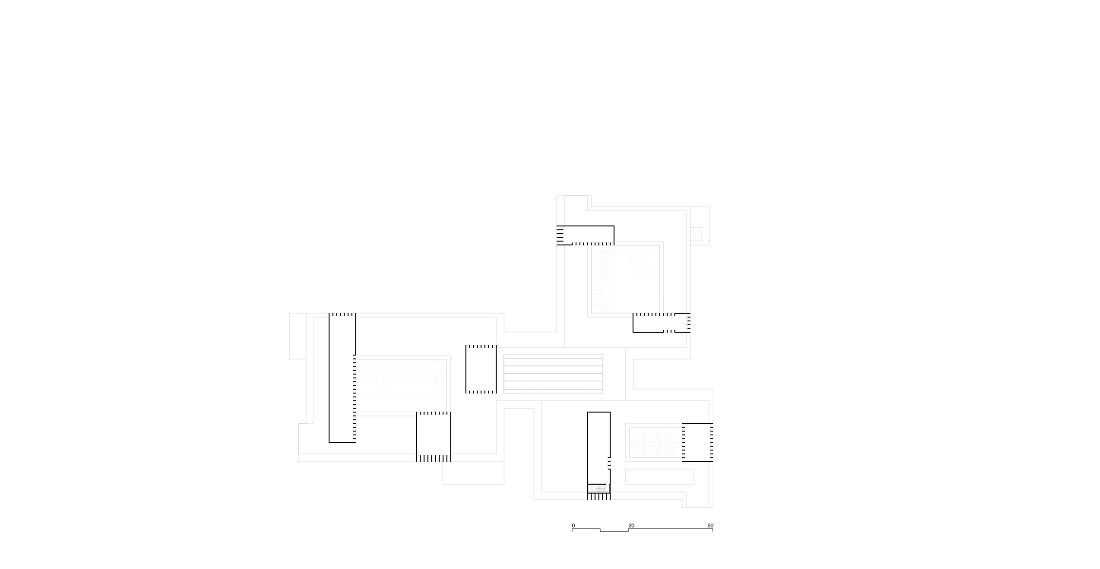
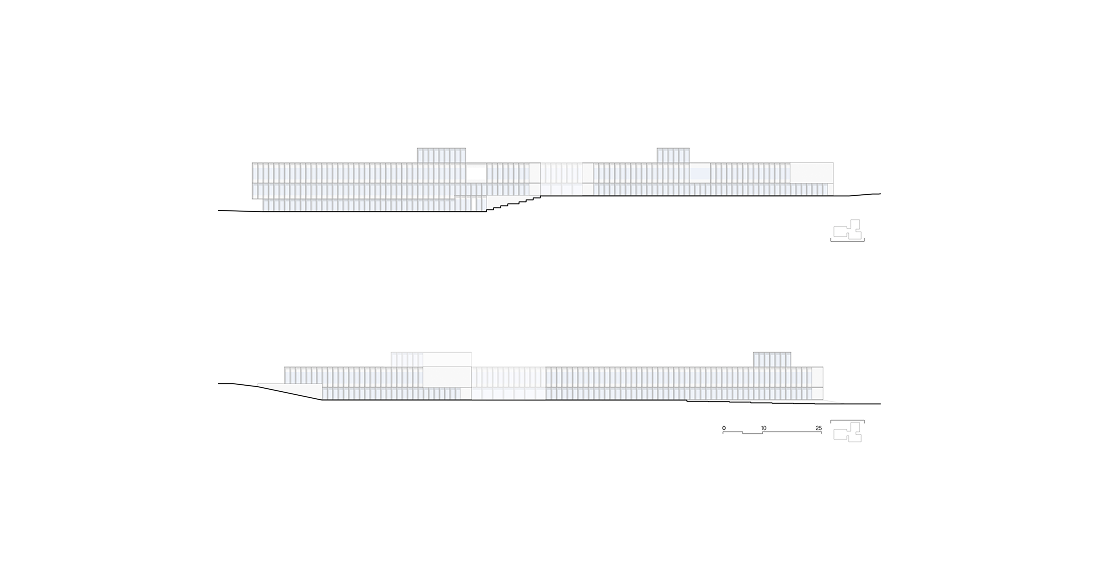
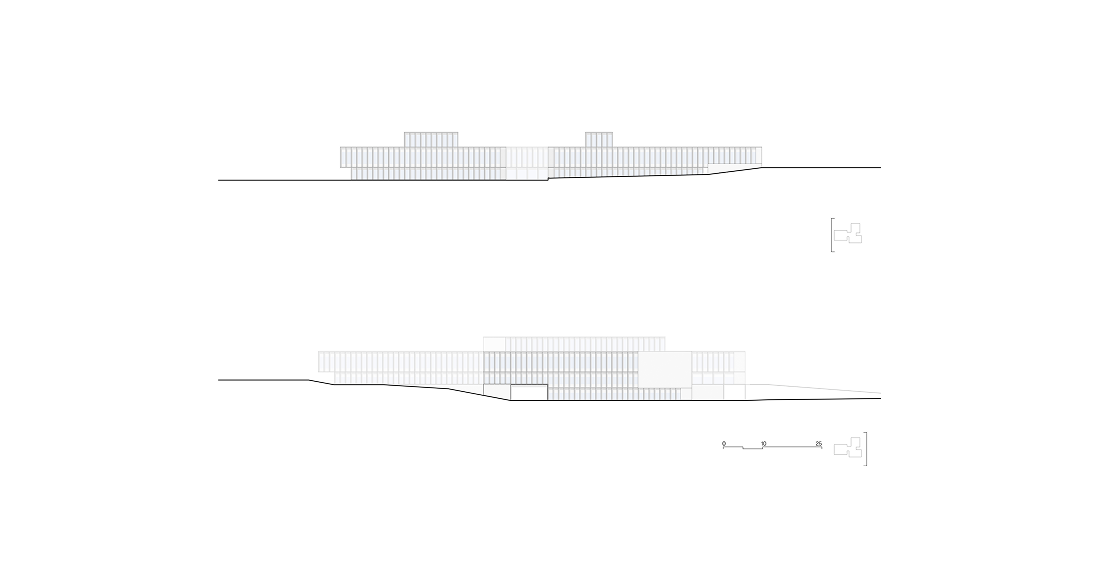
Comprising three volumes and a central atrium, the Faculty of Tourism in Málaga is a low-rise building with a large footprint, adapting to the gentle slope of the land. The design aims to offer a flexible and timeless architecture. To achieve this, a public scale closer to that of urban infrastructure is established.
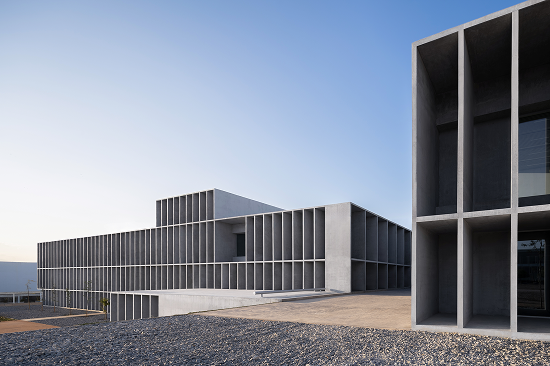
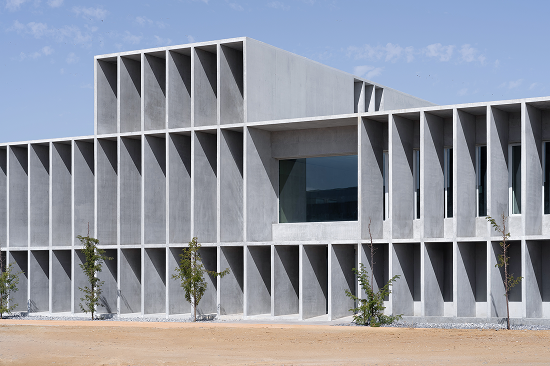
The buildings are arranged in a staggered fashion across the site, creating different platforms and gently sloping landscaped areas. The structure becomes the essential architectural element of the project.
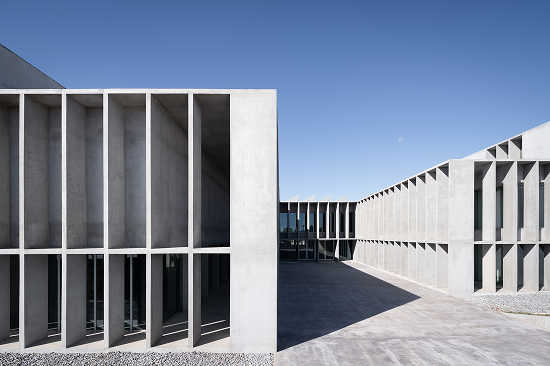
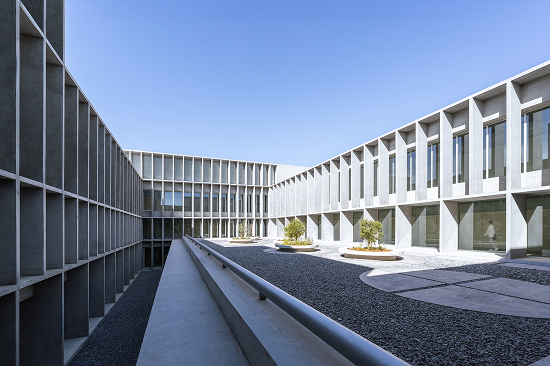
The design of the complex is based on passive systems, seeking natural efficiency and sustainability. The structural facades act as large solar shading screens, their depth and density varying according to orientation. Each volume is organized around a cloister-like courtyard, around which all activity revolves. These courtyards, in turn, act as thermal buffer zones, allowing cross-ventilation to moderate the interior spaces.
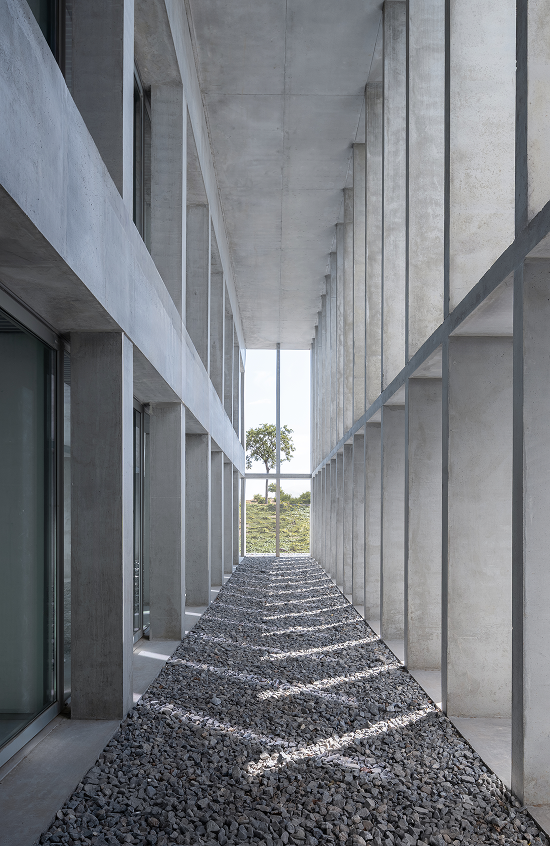
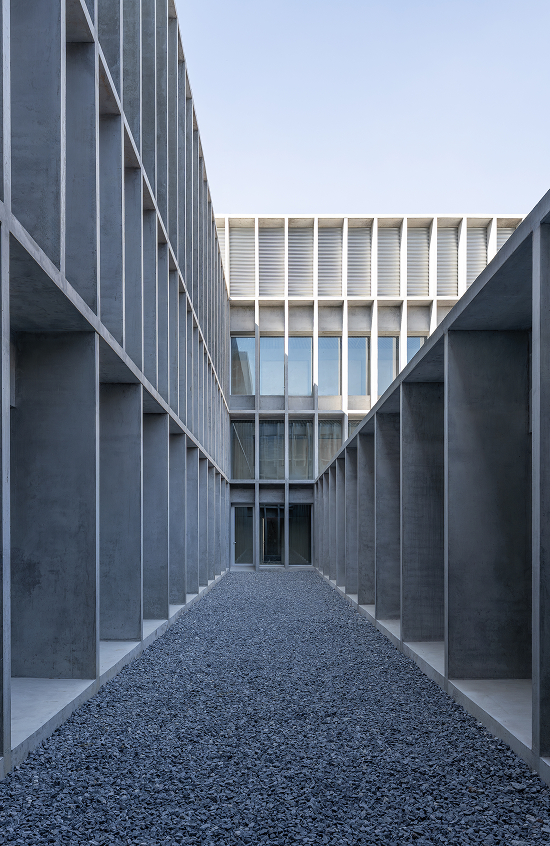
The image of the building is formed by an exposed in-situ concrete structure, both interior and exterior, capable of organizing the program and formulating the image.
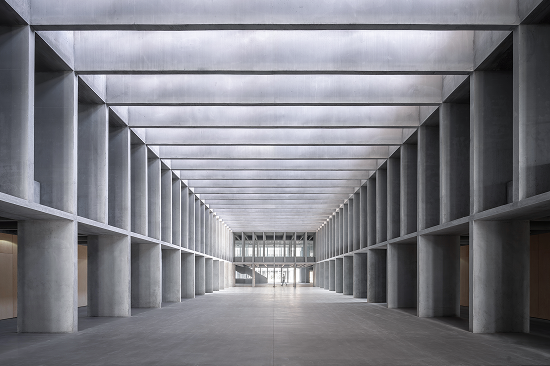
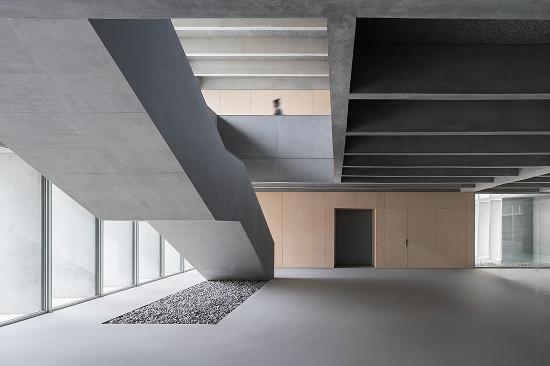
The structural design around the perimeter seeks maximum interior flexibility, through the use of screens of different depths and large section beams absorbing large spans, allowing multiple interior layouts capable of accommodating different uses and programs.
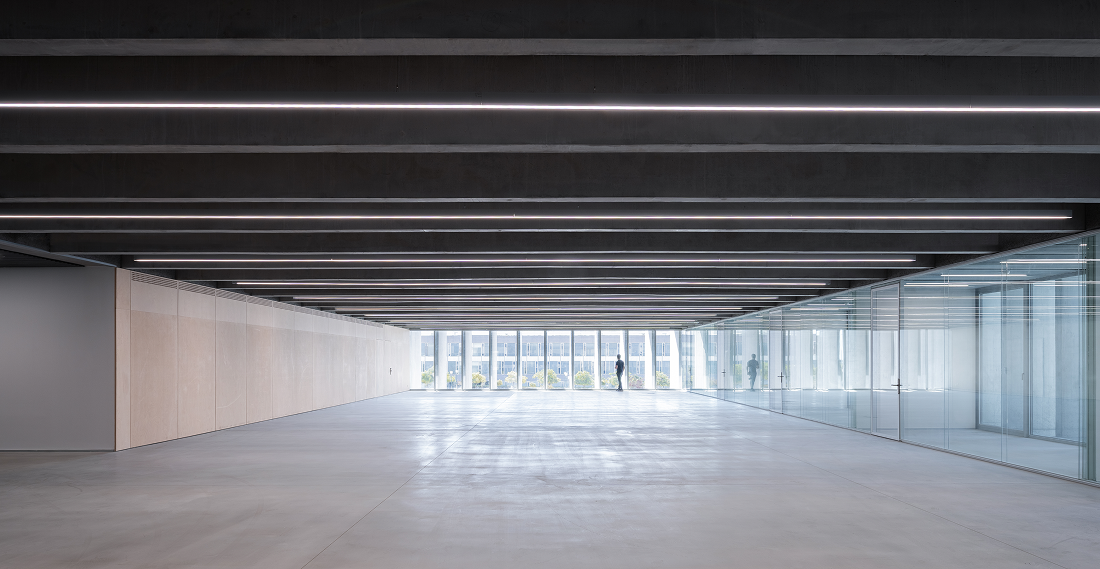
The tectonic configuration is based on the exposed structure itself, and therefore the palette is limited, using readily available materials: local aggregates and cements for the concrete. Only the plywood and glass stand out from the concrete structure.
Autores Antonio Vaillo i Daniel, Yago Vaillo Usón
Superficie 22.904 m2
Ubicación Málaga, España
Años 2020 (proyecto), 2025 (construcción)
Construcción Acciona Construcción
Cliente Universidad de Málaga
Fotografía Rubén Pérez Bescós
You may also like
Biblioteca Rahmah
Ubicada en la Escuela Primaria Rahmaniyeh, en el Distrito Seis de Ciudad del Cabo, es una nueva y vi ...
Centro Arqueológico Augusta Raurica
En Augst, Suiza, Karamuk Kuo diseña la primera sede propia del Centro Arqueológico Augusta Raurica ...
Kössen Educational Center
En Kössen, Austria, Pedevilla Architects diseña un centro educativo que reúne escuela primaria, j ...