Log in

Kössen Educational Center
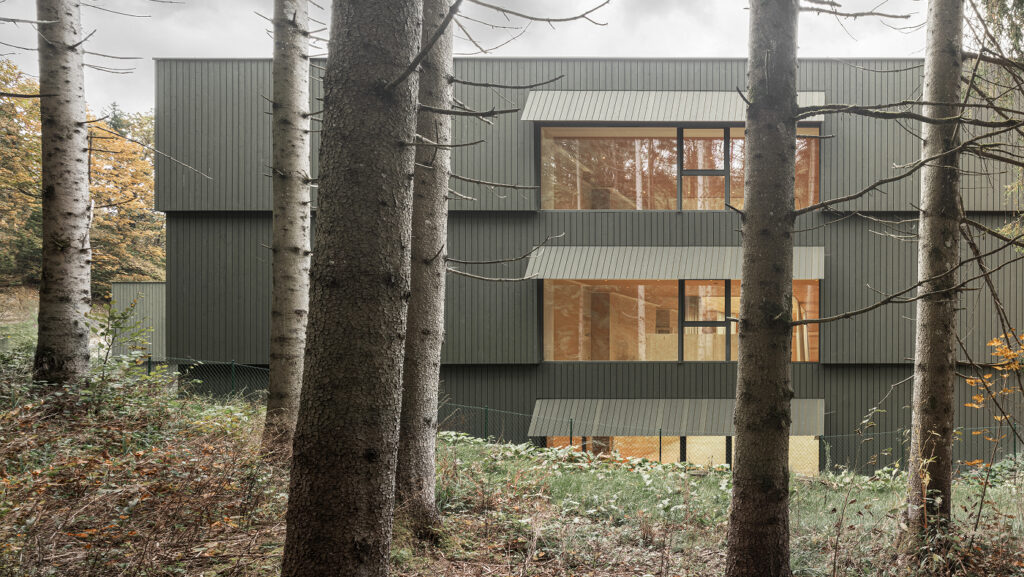
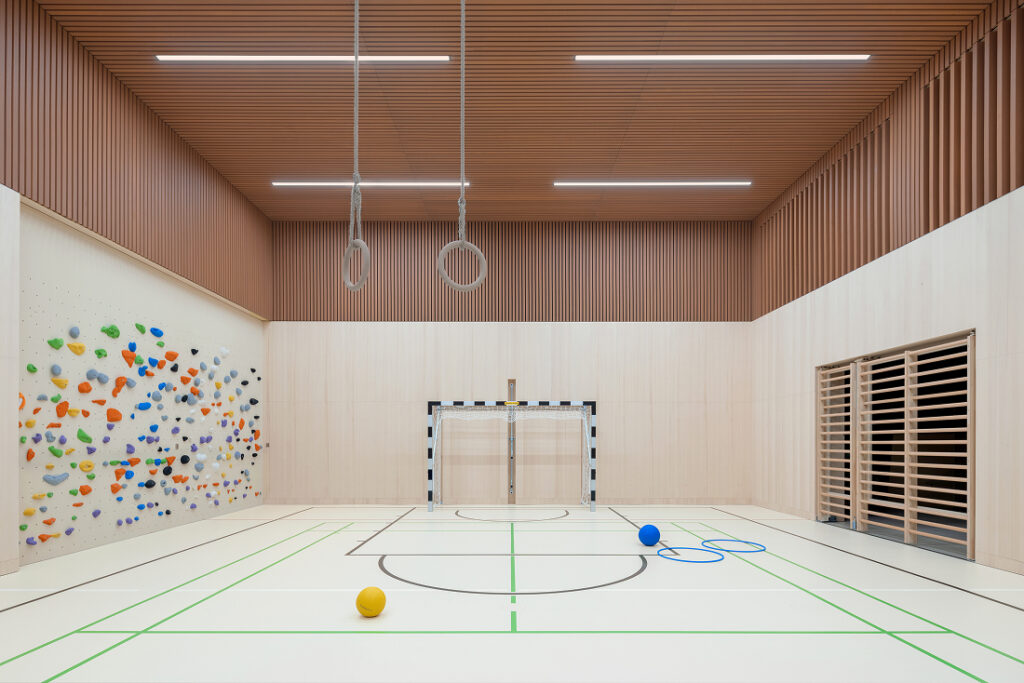
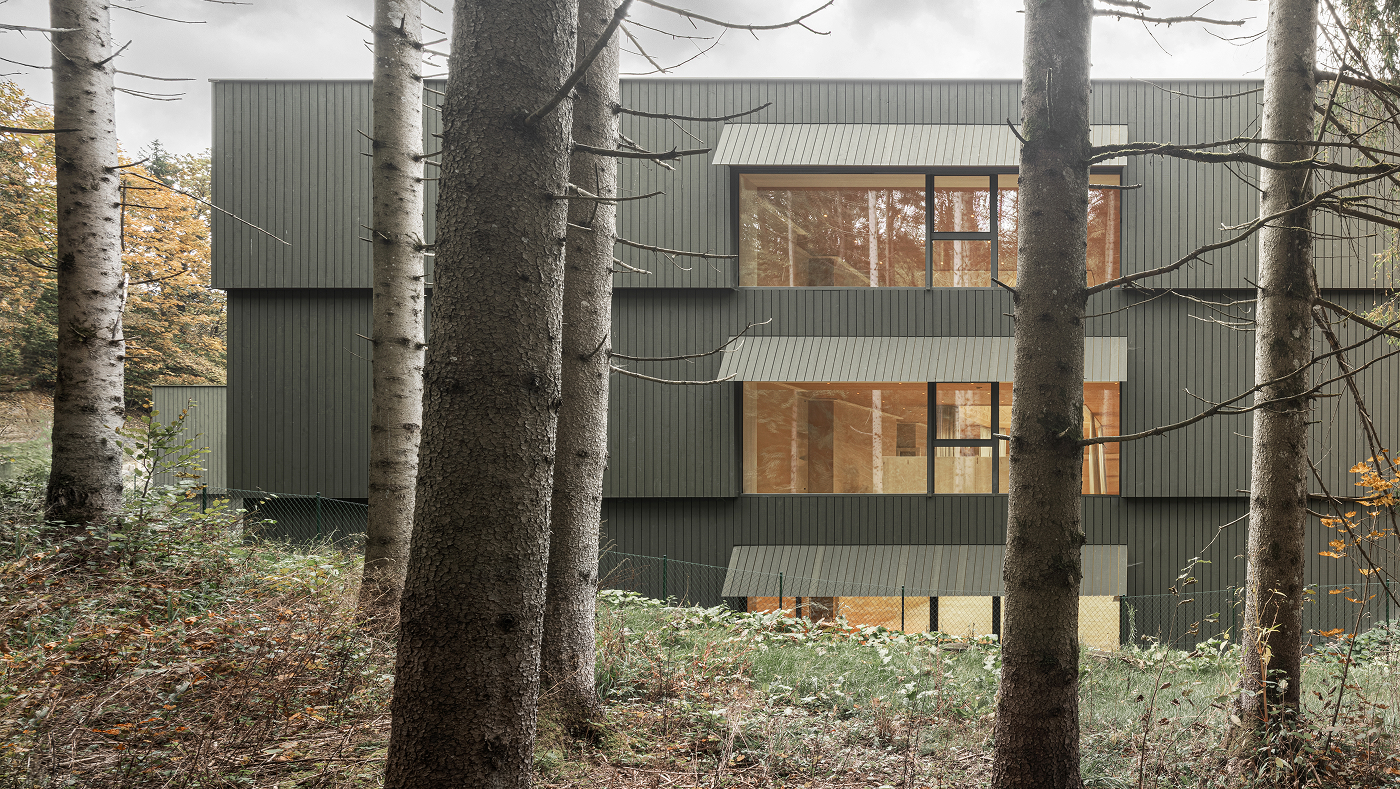
In Kössen, Austria, Pedevilla Architects designed an educational center that brings together a primary school, kindergarten, nursery, extracurricular activities and gymnasium under one roof.
Photograph by Gustav Willeit

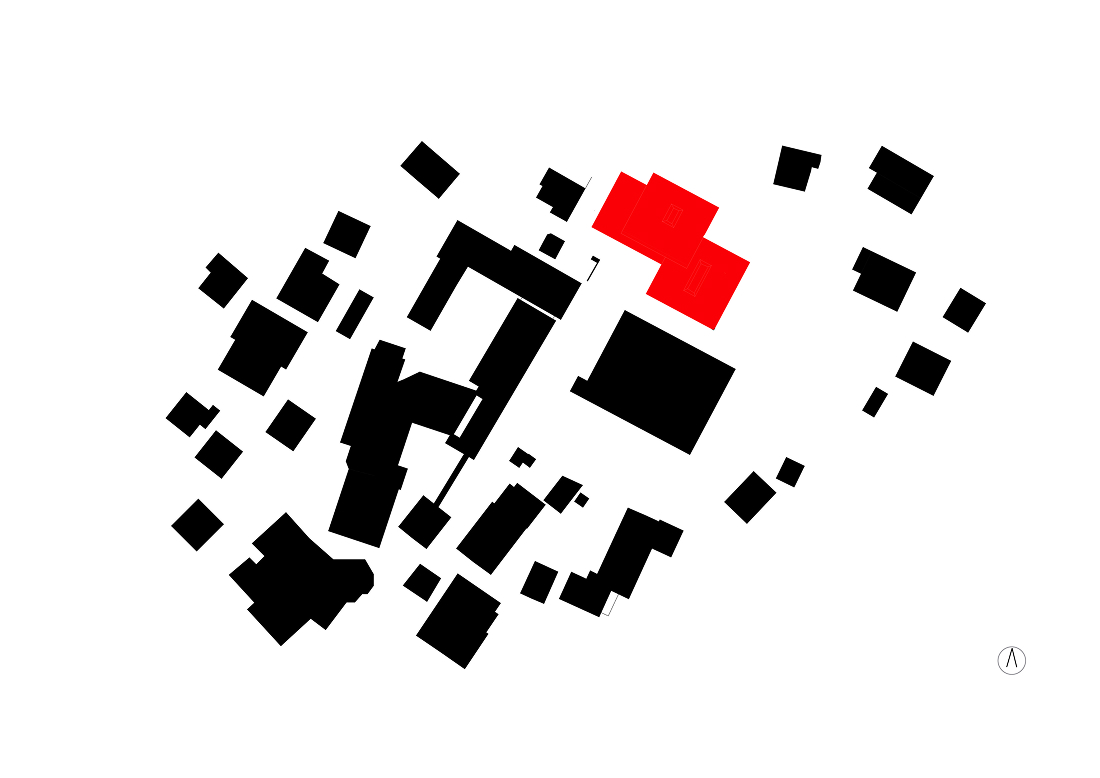
Located on the northern edge of Kössen's town center, the new educational center serves as a link between the town's public life and the surrounding residential neighborhoods. The building is designed to connect people, activities, and generations, establishing a new central hub for the community.

Photograph by Gustav Willeit

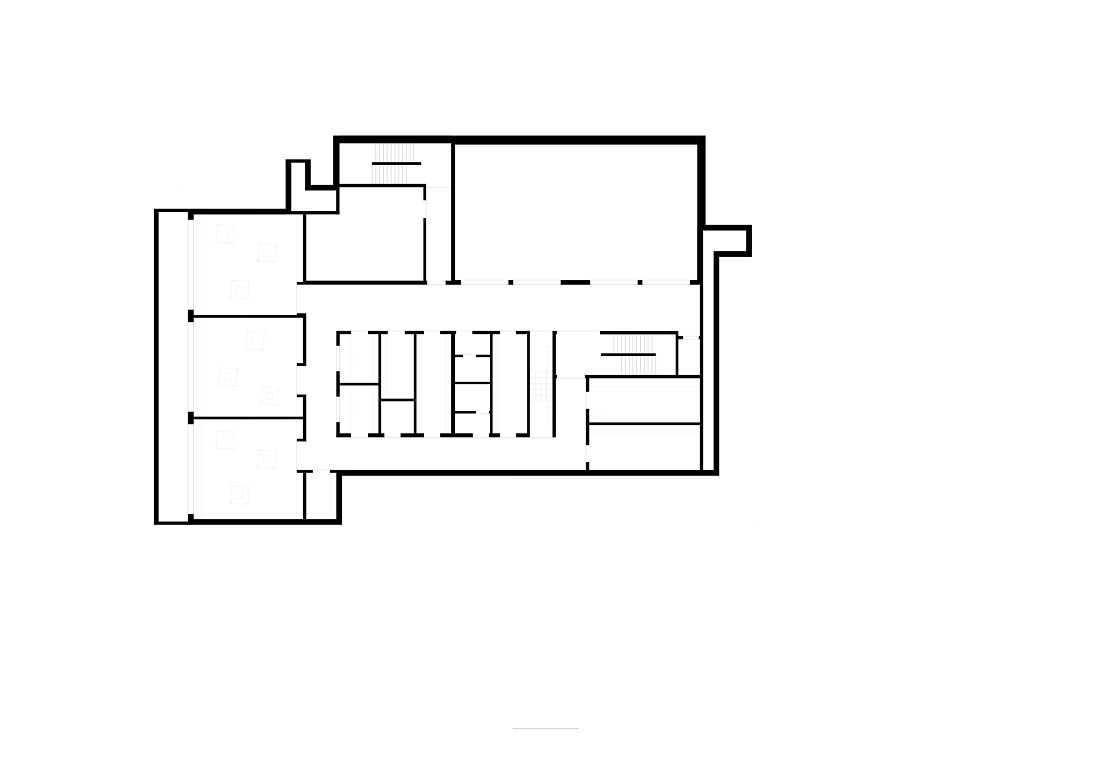
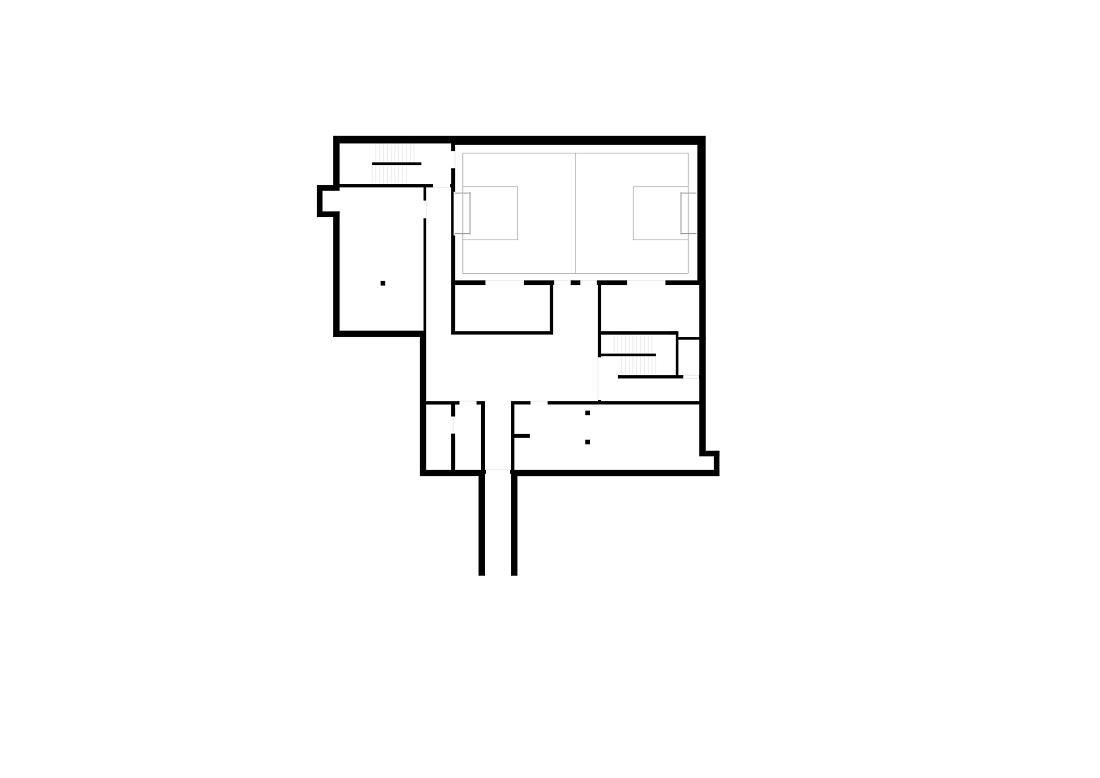
The project brings together a primary school, kindergarten, daycare, spaces for extracurricular activities, and a gymnasium under one roof. This programmatic integration aims to foster interaction between different age groups, creating an environment where learning, playing, working, and socializing are all part of a shared experience.

Photograph by Gustav Willeit

From its earliest stages, the design process unfolded as an ongoing dialogue between architects, users, local authorities, and technical teams. Participatory workshops, consultation sessions, and phased planning enabled the development of a collective vision that guided the project from the competition to its completion.

Photograph by Gustav Willeit

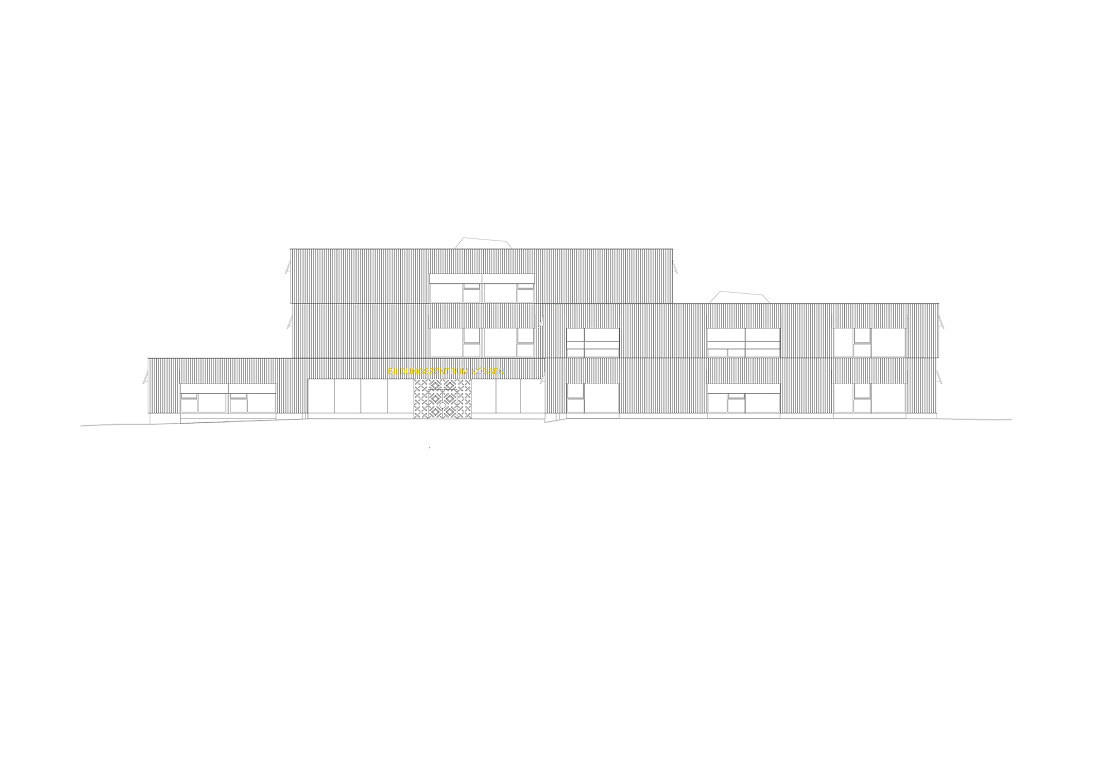
The proposal draws inspiration from Kössen's traditional architecture and the region's characteristic rural buildings. Wide eaves, wooden cladding, and a robust structure inspire a contemporary reinterpretation that seeks to integrate seamlessly into the existing urban landscape.

Photograph by Gustav Willeit

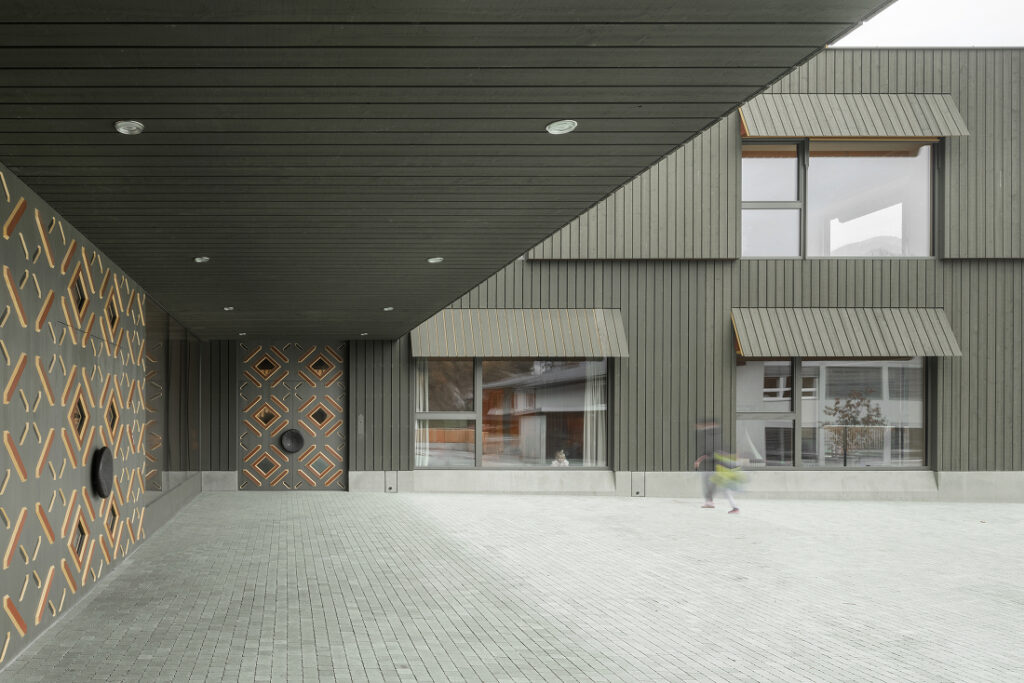
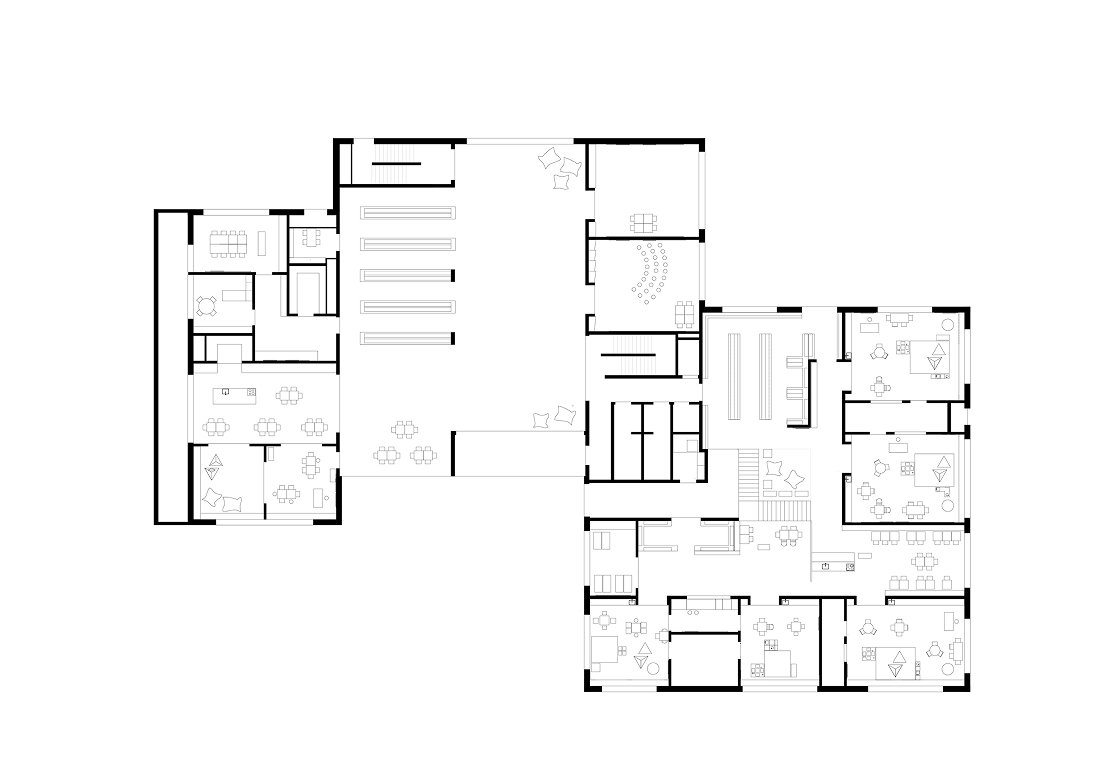
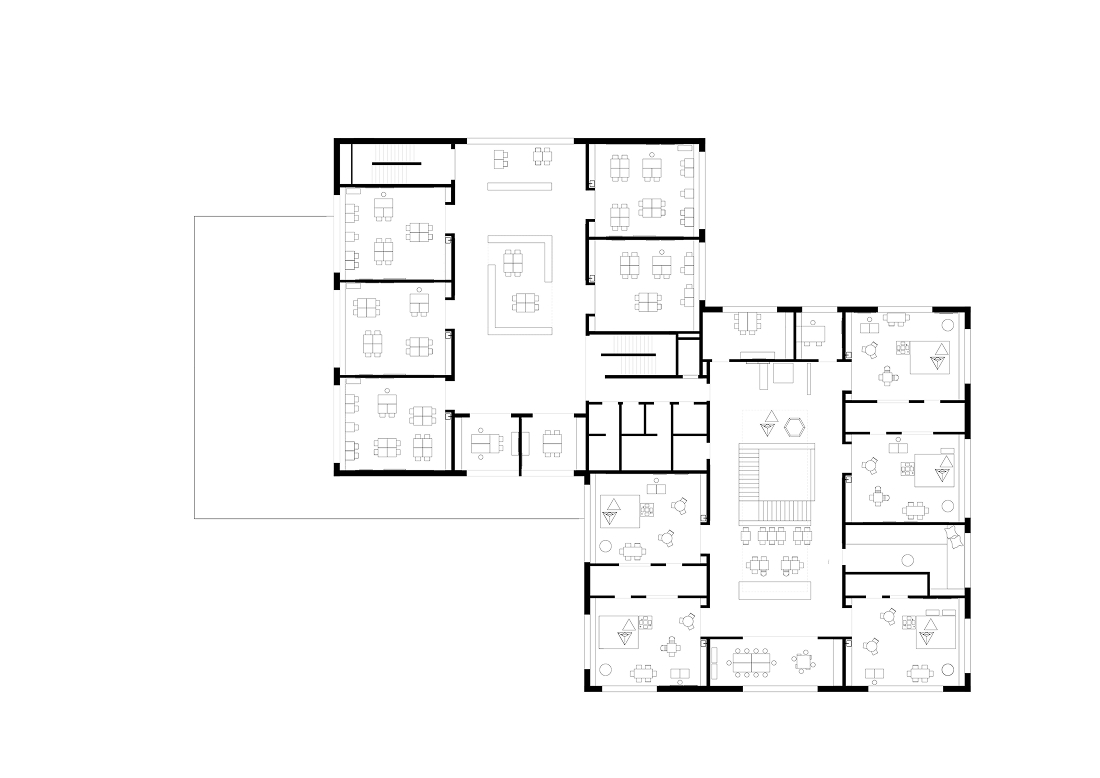
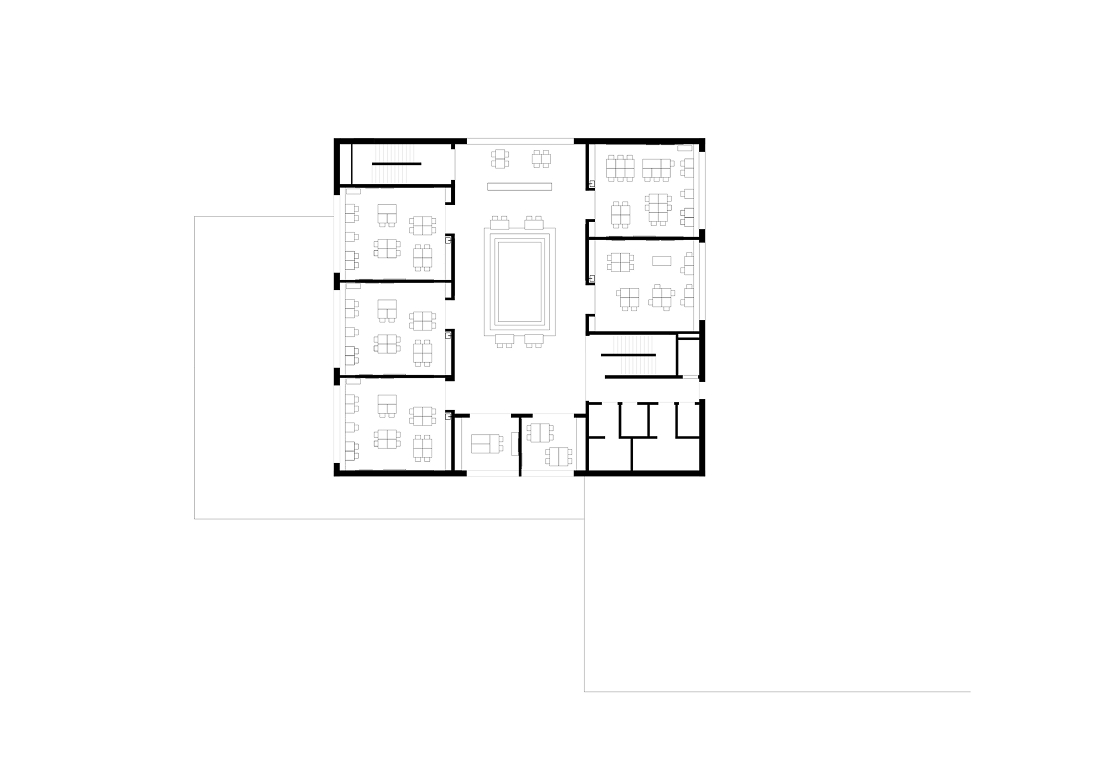
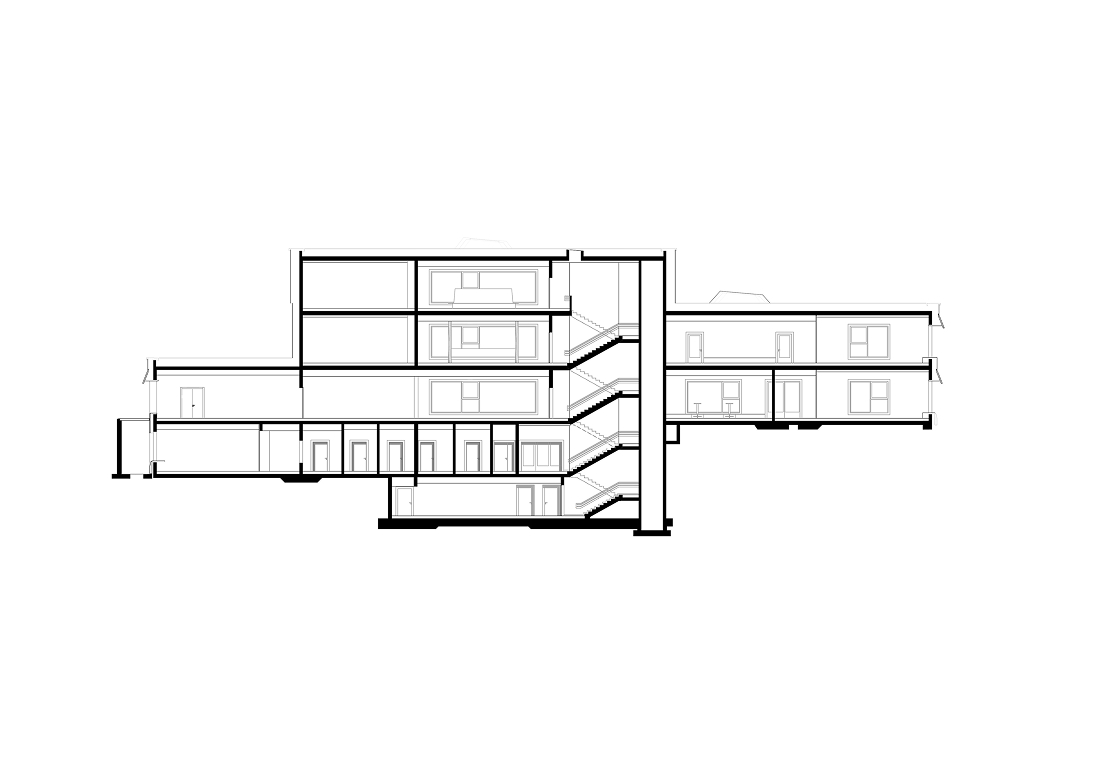
The spatial organization responds to the different needs of each program through a staggered composition of volumes. The school, kindergarten, and extracurricular areas have independent entrances facing a common covered courtyard that serves as a meeting and distribution space for the entire educational community.

Photograph by Gustav Willeit

The building is structured as a learning landscape where interior and exterior are closely linked. Open pathways, visual connections, and intermediate spaces encourage daily interaction, while each sector maintains its functional and operational autonomy.

Photograph by Gustav Willeit

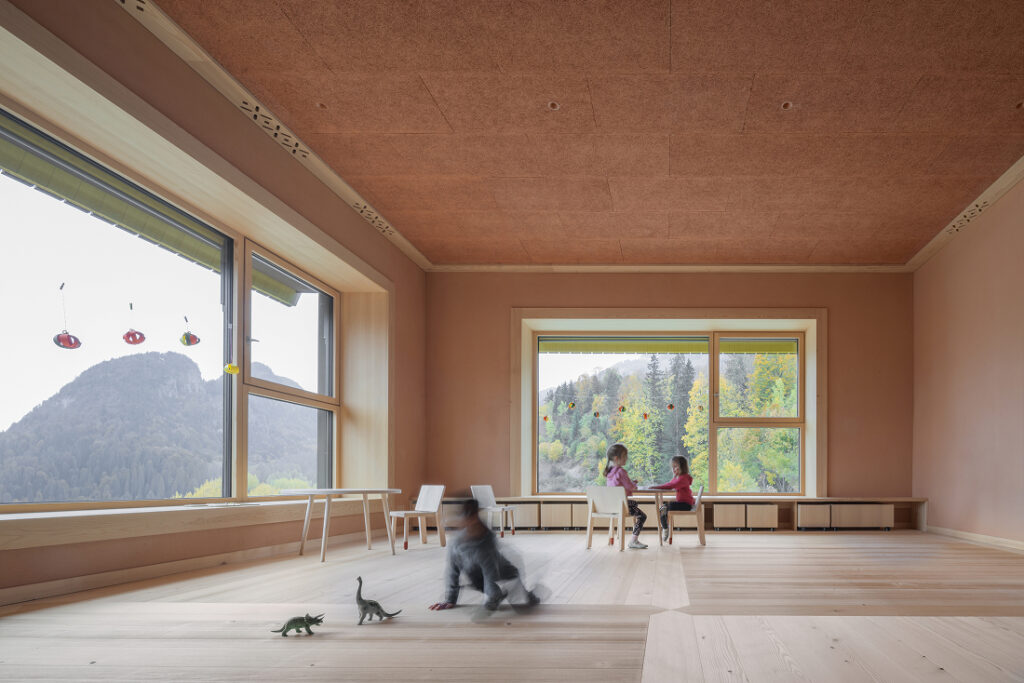
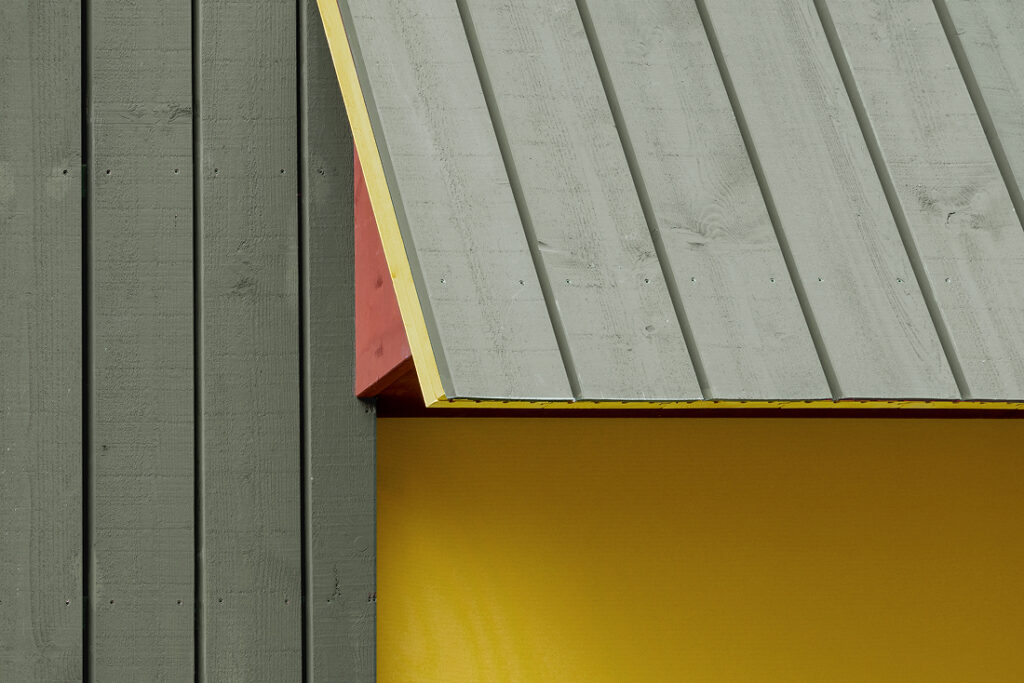
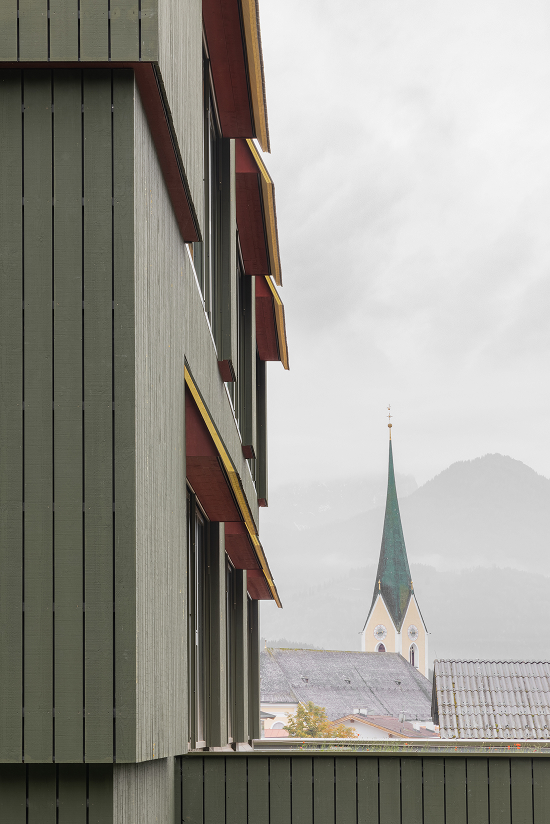
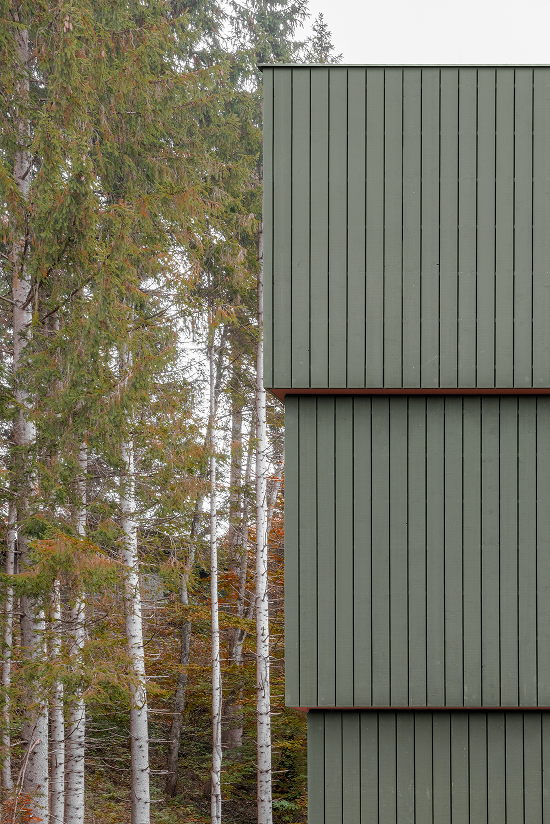
Materiality is one of the central aspects of the proposal. The facade, made of local wood stained green, establishes a direct relationship with the surroundings, while yellow and red elements incorporated into the eaves and sun protection systems provide identity and facilitate orientation for younger users.

Photograph by Gustav Willeit

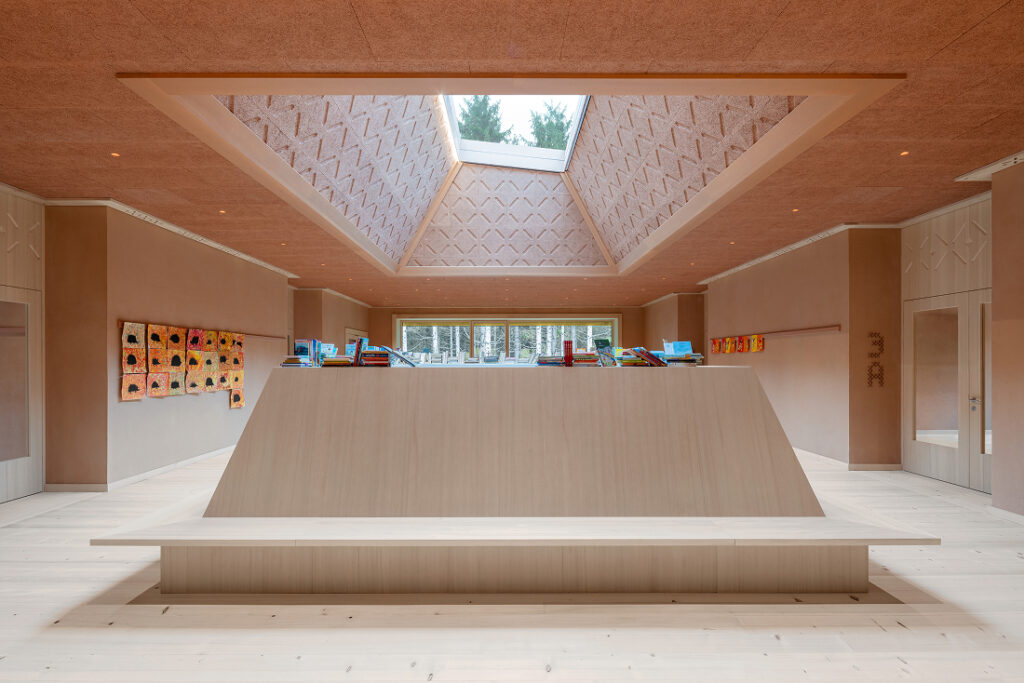
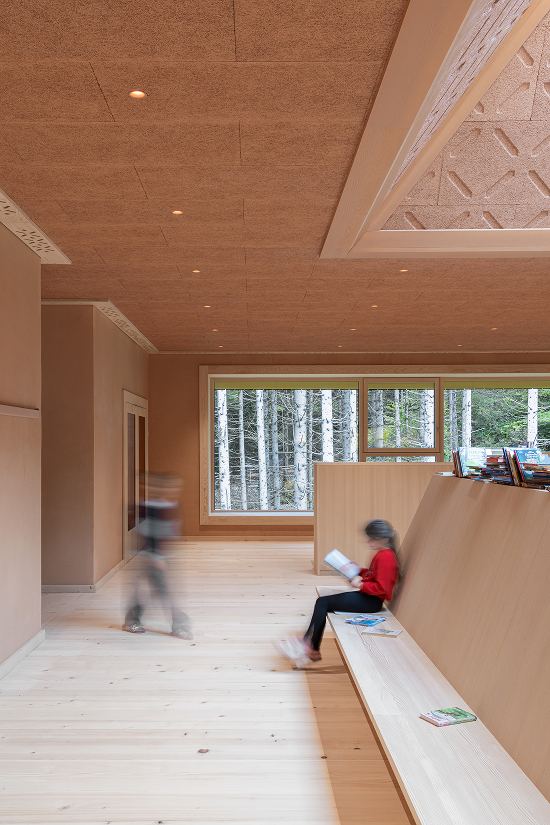
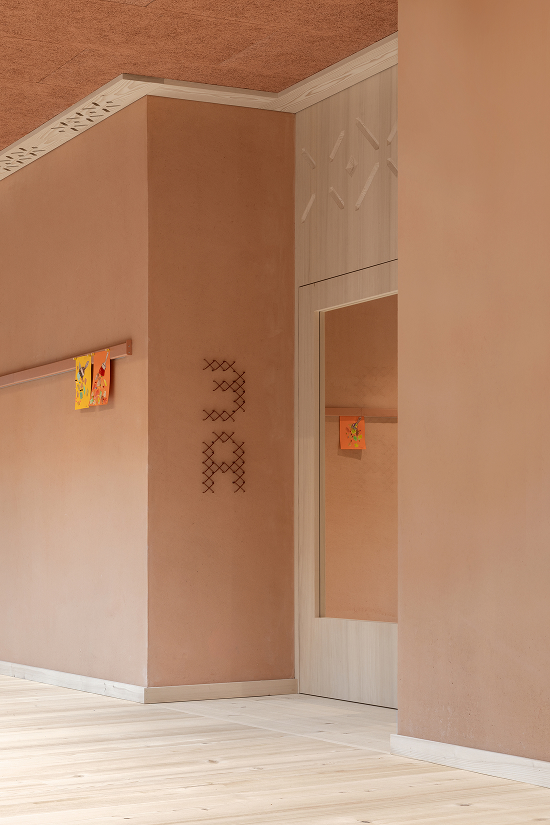
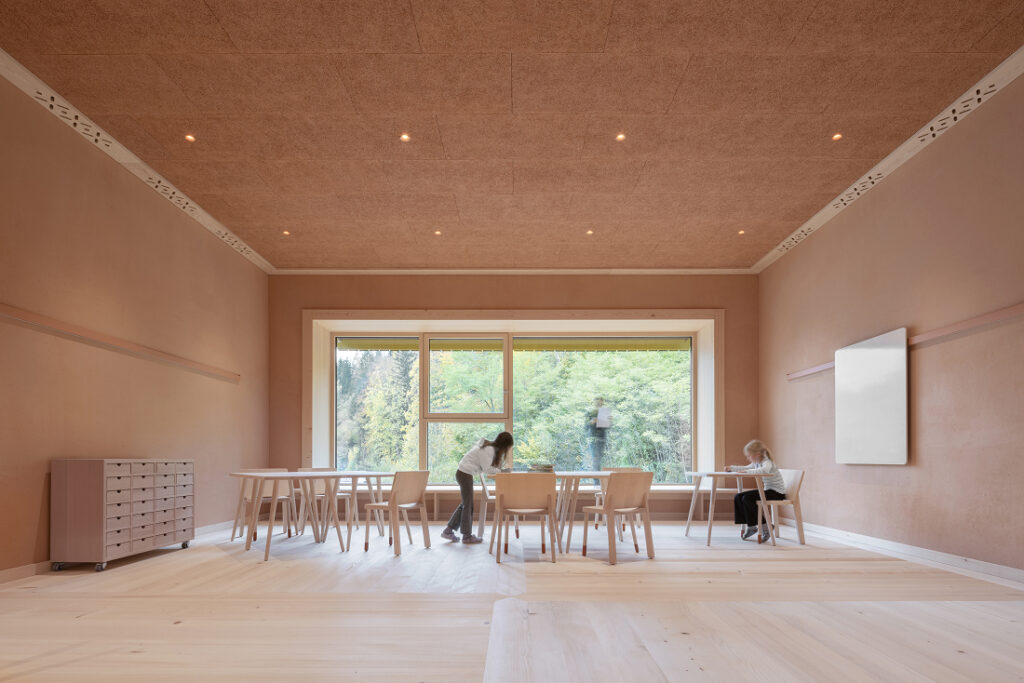
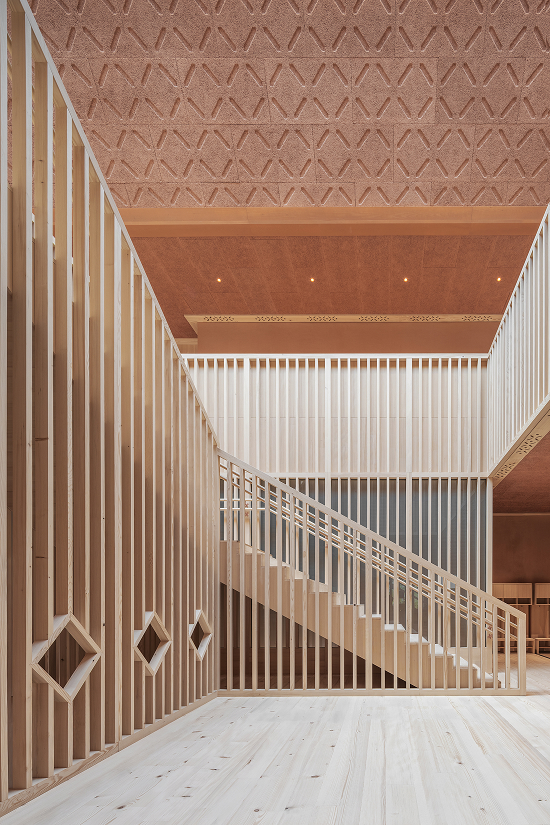
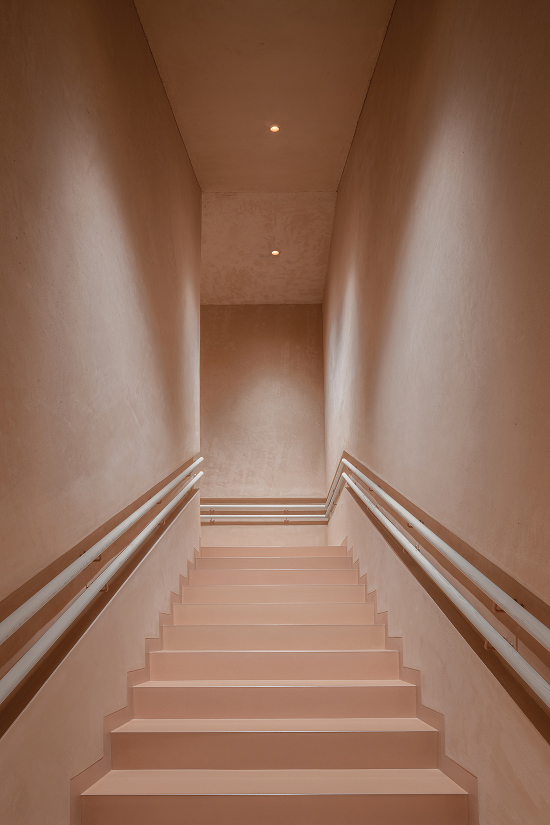
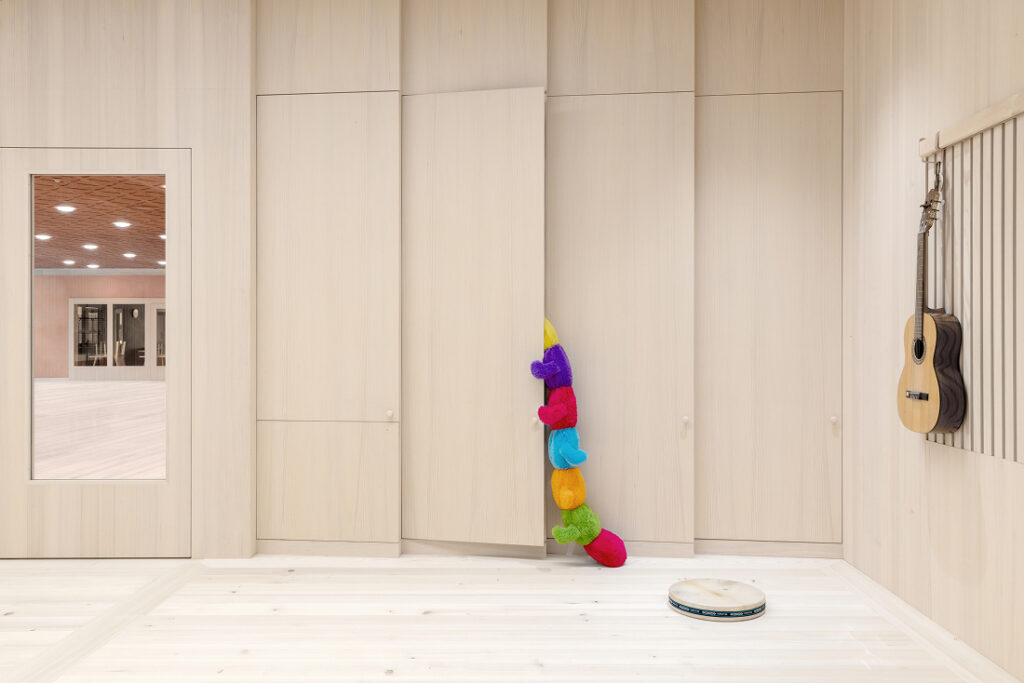
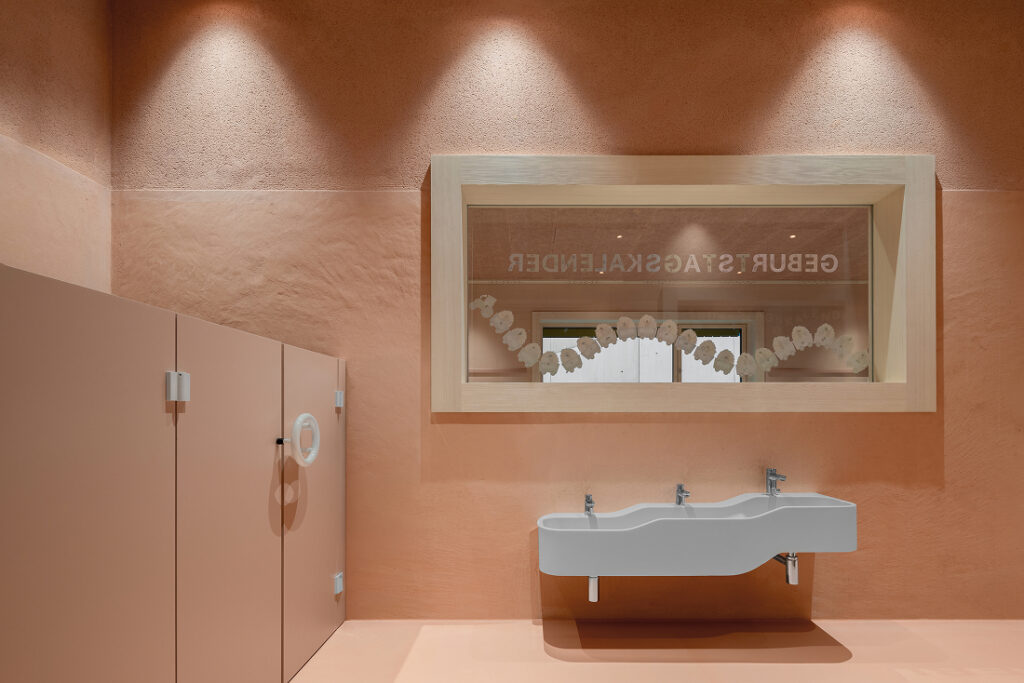
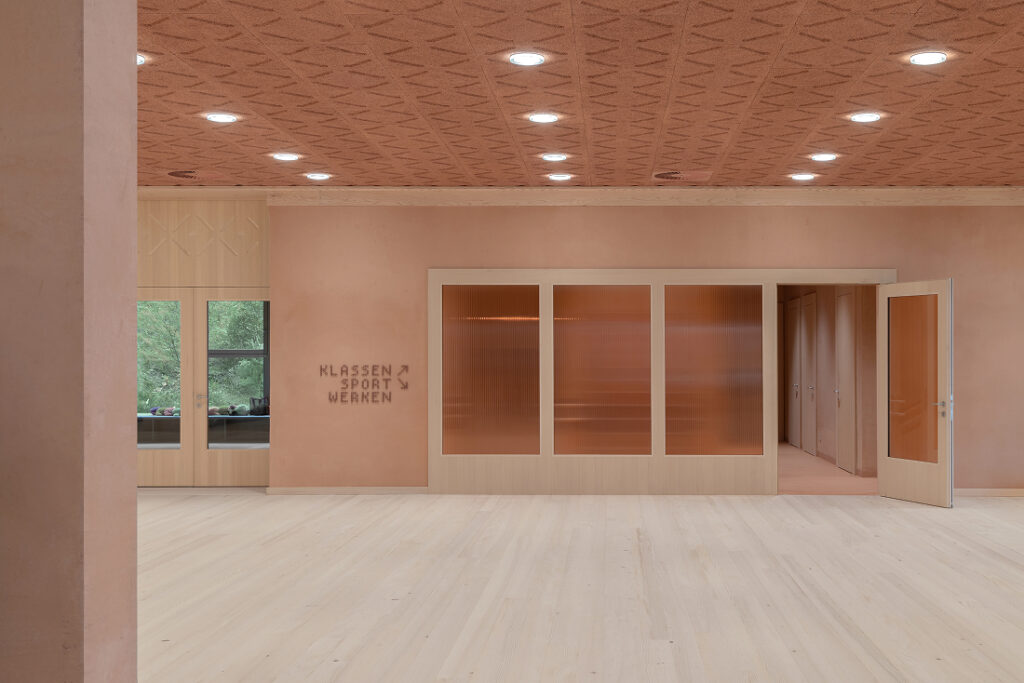
Inside, a limited palette of natural materials, selected for their durability and sensory qualities, predominates. Solid fir wood, lime plaster, mineral flooring, and acoustic surfaces create warm environments that invite you to live in them and personalize them over time.

Photograph by Gustav Willeit

Far from concealing the aging of the materials, the project incorporates it as part of its design. The surfaces are intended to reflect everyday use and build a tangible relationship between the architecture and its inhabitants, allowing the building to evolve alongside its community.

Photograph by Gustav Willeit

References to local heritage also appear in the details. A graphic system inspired by traditional cross-stitch embroidery becomes an element of signage, orientation, and recognition, integrated into doors, railings, ceilings, and furniture.

Photograph by Gustav Willeit

The outdoor spaces extend the educational experience through play and learning areas connected to nature. Equipment for motor development, sensory trails, sand and water areas, meadows, and spaces for rest create a changing landscape that adapts to the different seasons.

Photograph by Gustav Willeit

Sustainability permeates every aspect of the project. The use of regional materials, the pursuit of durable construction solutions, and the integration of green spaces reinforce a strategy aimed at reducing environmental impact and promoting the well-being of users.

Photograph by Gustav Willeit

Thus, the Kössen Educational Center presents itself as a community infrastructure capable of supporting the growth of future generations. Through an architecture sensitive to the site, materiality, and everyday experience, the project creates an environment that fosters learning, strengthens social bonds, and consolidates a collective identity for the Kössen community.
PLANOS

Pedevilla Architects Project

Año  2025

Location: Kössen, Austria

Client: Municipality of Kössen


Fotografía  Gustav Willeit

a

Magazine made for you.

Featured:

No posts were found for provided query parameters.

Elsewhere:

Guardar en carpeta