Winery in Quinta de Adorigo
Winery in Quinta de Adorigo
Atelier Sergio Rebelo reinterpreta la tradición constructiva local a través de un proyecto vitivinícola en el Alto Douro portugués.

The Quinta de Adorigo winery, completed in 2024, is part of a family-run wine tourism development in the Alto Douro Vinhateiro region of Portugal, a UNESCO World Heritage Site. Alongside a hotel currently under construction, the winery blends seamlessly into the landscape, combining tradition, innovation, and sustainability.


Designed to minimize environmental impact, the project reuses existing infrastructure and anticipates future adaptations. Its curvilinear architecture follows the zigzagging path of the vineyards without compromising functionality. The use of local materials, such as schist and granite, reduces transportation emissions, while timber structures replace concrete whenever possible, limiting CO₂ release. Over time, the pink, gray, green, and brown tones acquire new textures and nuances, reinforcing the building's integration into its surroundings.

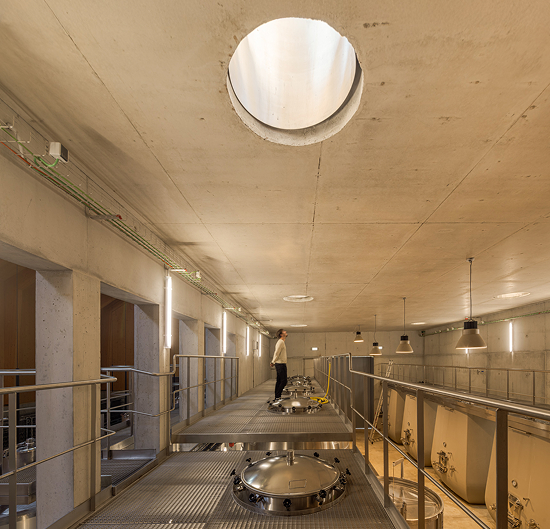
The layout of the complex is organized around a series of interconnected buildings that follow the existing topography, a logic that is replicated in its internal workings, where the winemaking process is carried out by gravity. This gravity-flow system, traditional along the banks of the Duero River, is reinterpreted here, incorporating contemporary operational capabilities.


The geometry of the roof interprets the gabled roof of vernacular architecture, structured in wood. This structure is exposed inside the winery and transforms into a sinuous, continuous, and organic sculptural element that flows following the tangential curves of the vineyards.
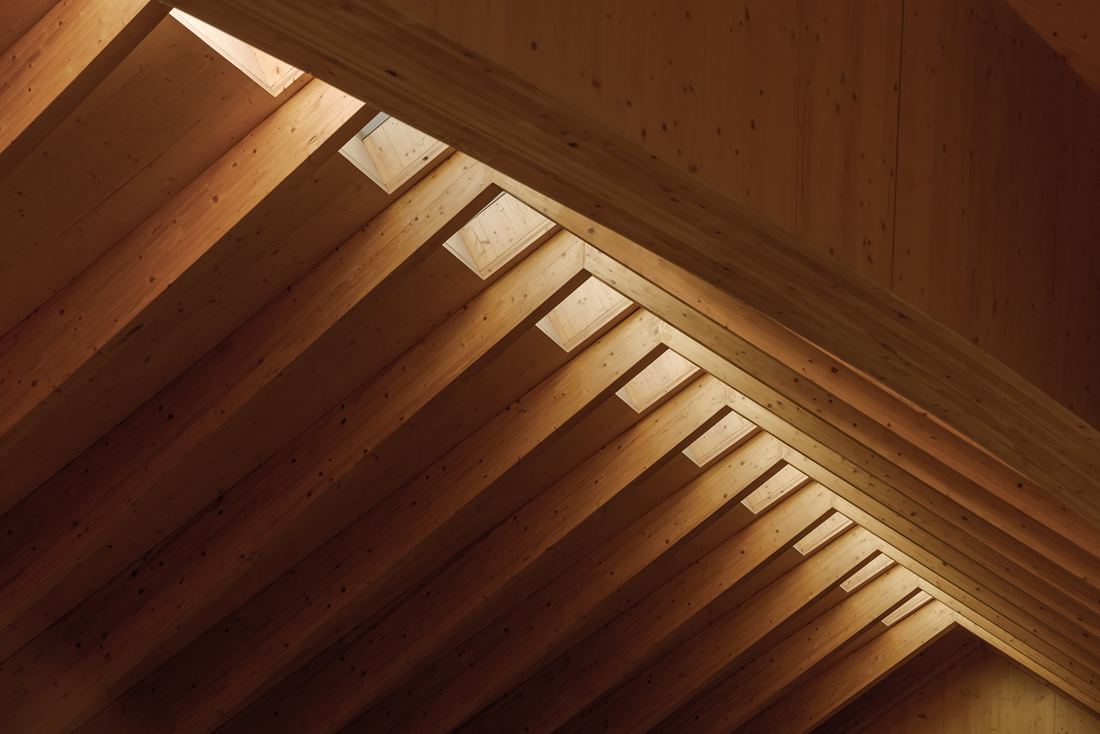
The development incorporates renewable energy sources, particularly geothermal energy, with the aim of reducing greenhouse gas emissions and ensuring optimal hydrothermal conditions for both wine production and human comfort.


Energy efficiency is a central aspect of the design. The building's north-facing orientation and its specific insulation system ensure comfortable indoor temperatures and humidity levels, minimizing reliance on mechanical heating and cooling systems. The few windows and skylights frame the landscape and maximize the use of natural light.

Water management is equally critical in a context lacking public water supply infrastructure. The project collects rainwater, obtains potable water from artesian wells, and treats wastewater for reuse in irrigation, cleaning, and fire prevention. Permeable channels allow rainwater to be returned to agricultural use, reducing waste and conserving resources.


The landscape design recovers native flora, enriching biodiversity and favoring ecosystems that contribute to the health of the vineyards and the development of economic activities complementary to wine production.
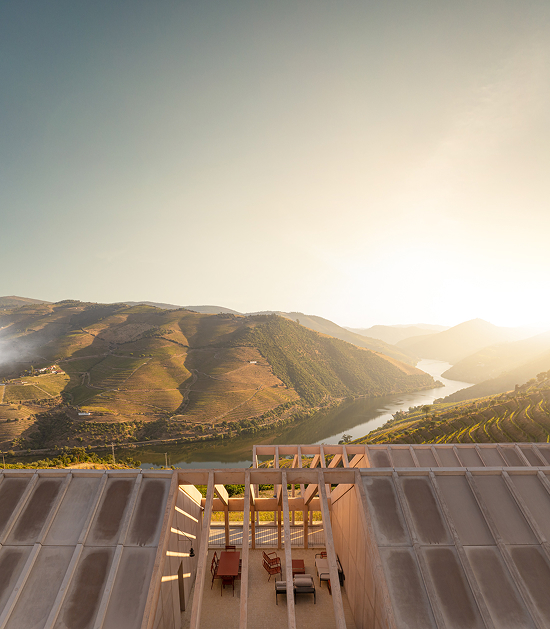

The winery's main entrance houses a visitor center with a reception area and wine shop, leading to a fully glazed meeting room and a tasting area located in a spacious gallery with a balcony. From here, one can see both the wine aging area, situated in the central nave, and the surrounding landscape. These spaces connect directly to the vineyard and a small historic stone chapel via a large terrace overlooking the Douro River. The complex is designed to host prestigious wine tourism events, promoting the winery and the region, and celebrating the harmony between nature and architecture.

Equipo Sérgio Rebelo, Nuno Borges, Tiago Pinto de Carvalho, Joana Portela, Tiago Martins, Ricardo Gouveia, La-Salete Carvalho, Lourenço Barreto, Catarina Araújo, Bruna Campos, Fátima Séneca, Paulo Cunha Martins
Superficie 1.100 m²
Ubicación Tabuaço, Alto Douro Vinhateiro, Portugal
Año 2024
Construcción Teixeira, Pinto e Soares SA; Portilame; Betoncrete
Asesores Still Urban Design –Sofia Pera– (paisajismo), Thornton Tomassetti –Scott Lomax, Gunnar Hubbard– (estructuras), Pormin –José
Fotografía Fernando Guerra
You may also like
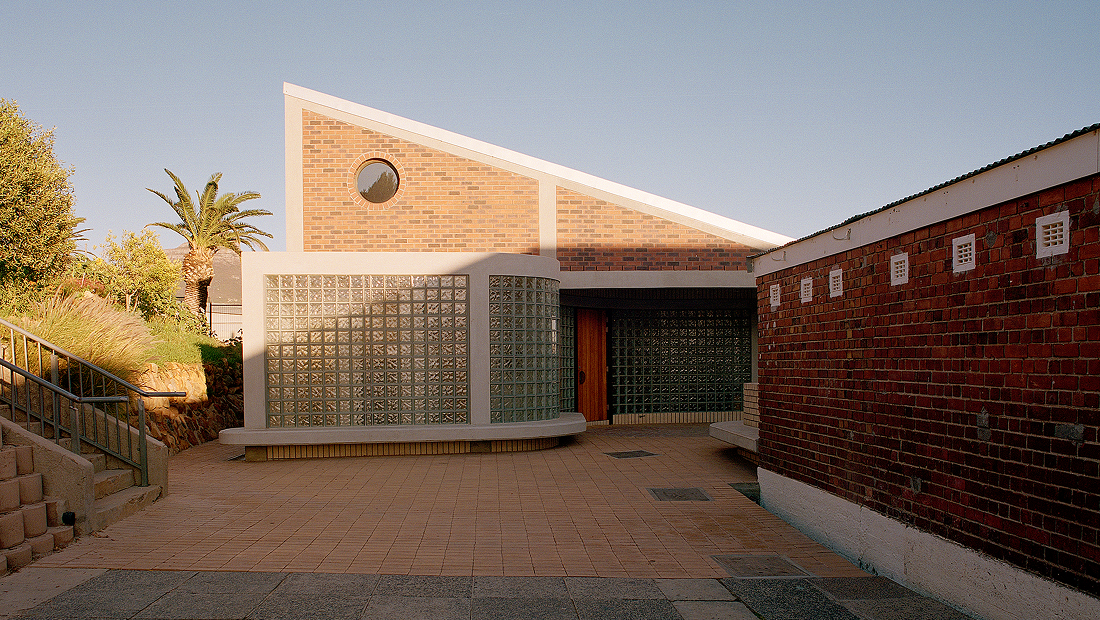
Biblioteca Rahmah
Ubicada en la Escuela Primaria Rahmaniyeh, en el Distrito Seis de Ciudad del Cabo, es una nueva y vi ...
Centro Arqueológico Augusta Raurica
En Augst, Suiza, Karamuk Kuo diseña la primera sede propia del Centro Arqueológico Augusta Raurica ...
Kössen Educational Center
En Kössen, Austria, Pedevilla Architects diseña un centro educativo que reúne escuela primaria, j ...