Asympta
Asympta
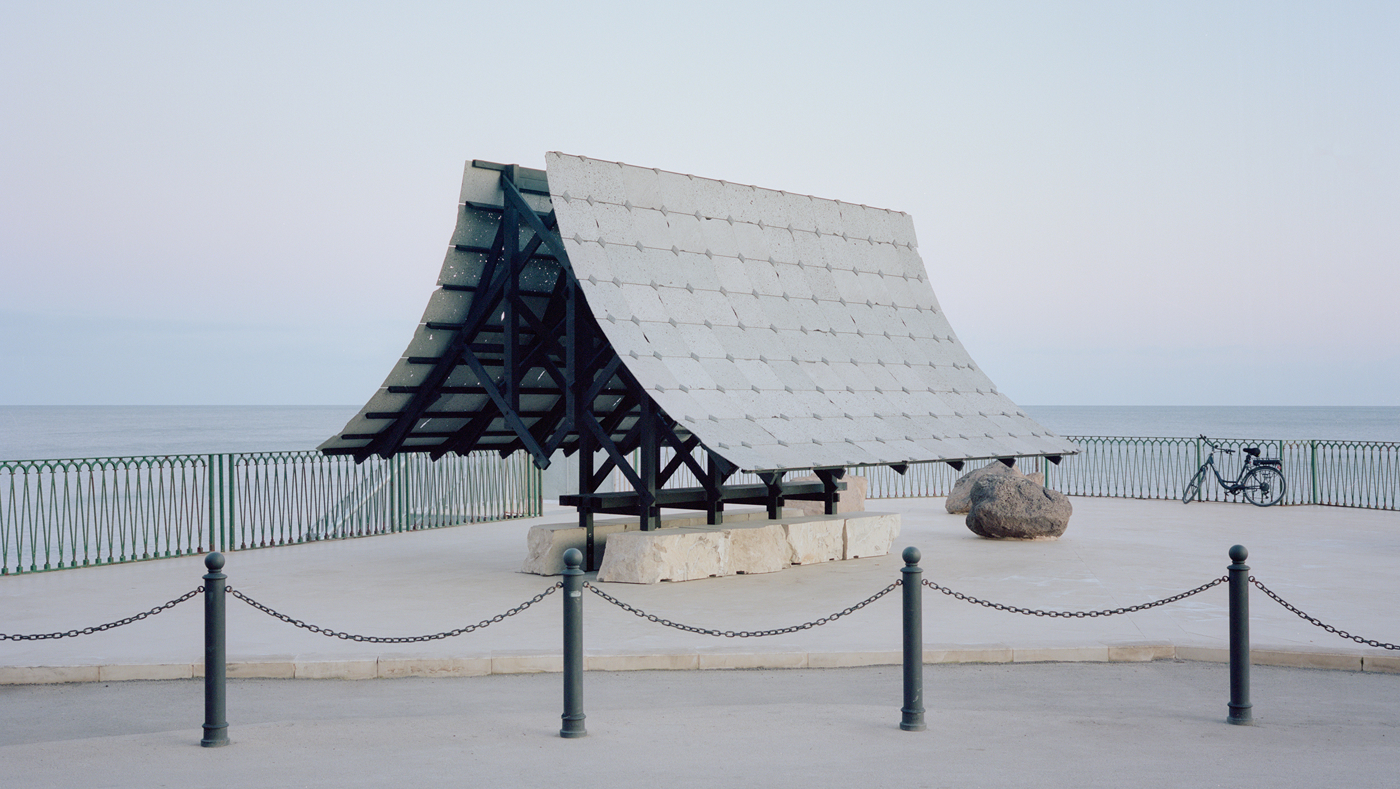
Leopold Banchini constructs a speculative microarchitecture within the framework of the Cosmo festival, which reinterprets the prehistoric landscape of Pantalica, in Sicily, Italy.
Little is known about the people who lived and buried their dead along the Anapo River. Pantalica—a complex of more than 4,000 tombs carved into the rock in the first millennium—tells us little about how the living found refuge.
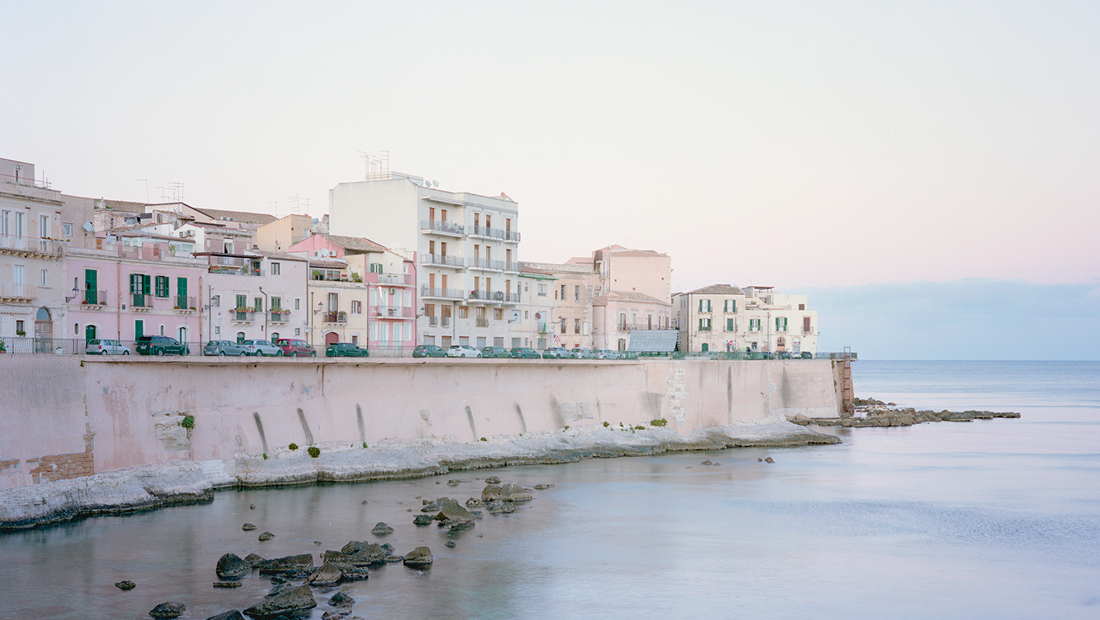
Part of the UNESCO World Heritage Site Syracuse and the Rocky Necropolis of Pantalica, Asympta is a speculative microarchitecture that reflects on the largely unknown architectural landscape of prehistoric civilization, rather than its well-known necropolis. It explores how architectures and cosmologies might emerge from a specific landscape, in harmony with its topography and resources.
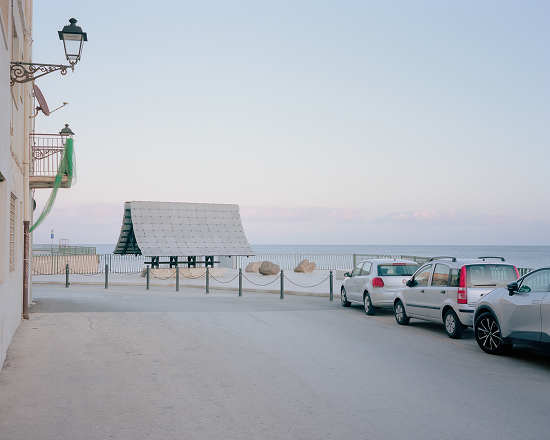
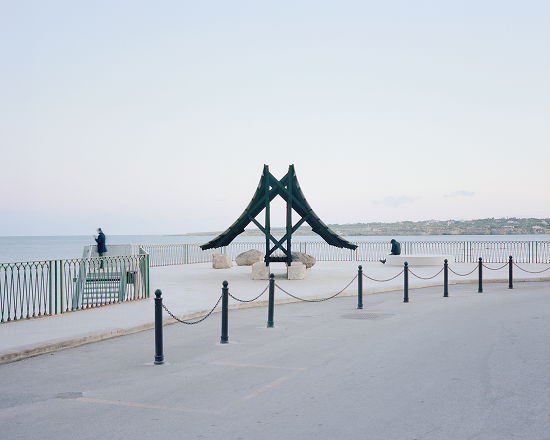
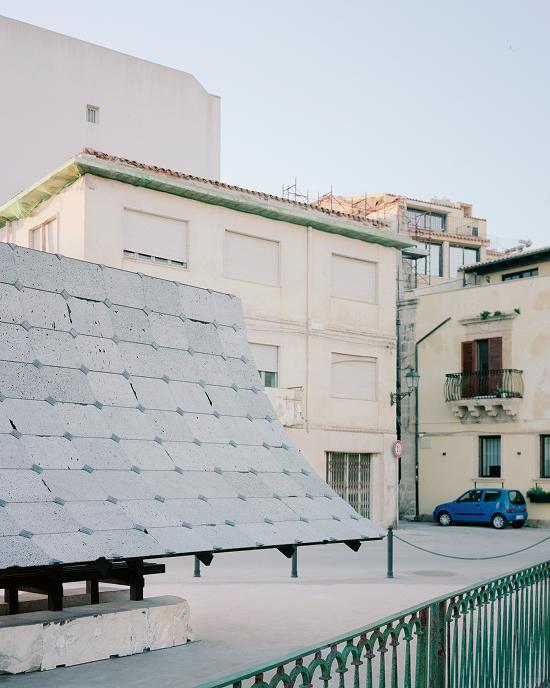
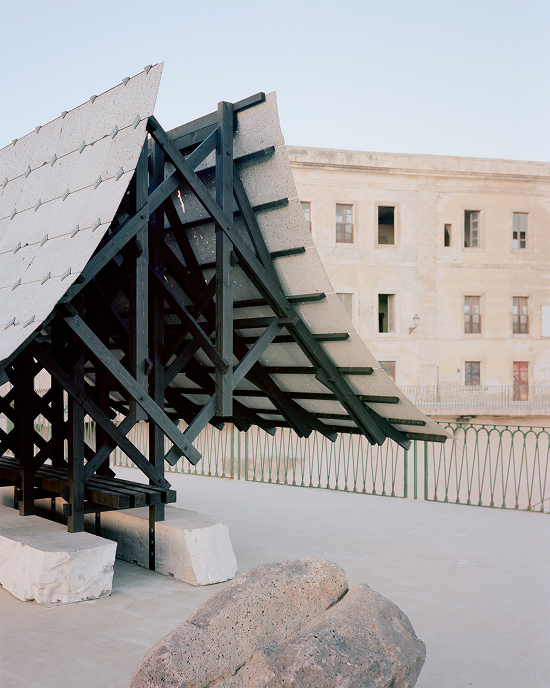
The temporary installation, which evokes the provisional qualities of early domestic architecture, generates diverse and fictional narratives based on both vernacular and contemporary construction methods, deliberately distancing itself from archaeological and scientific research or strict chronologies.
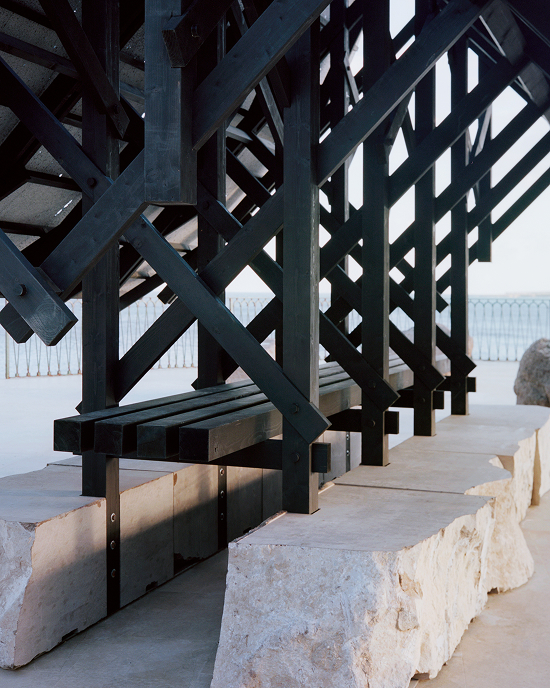
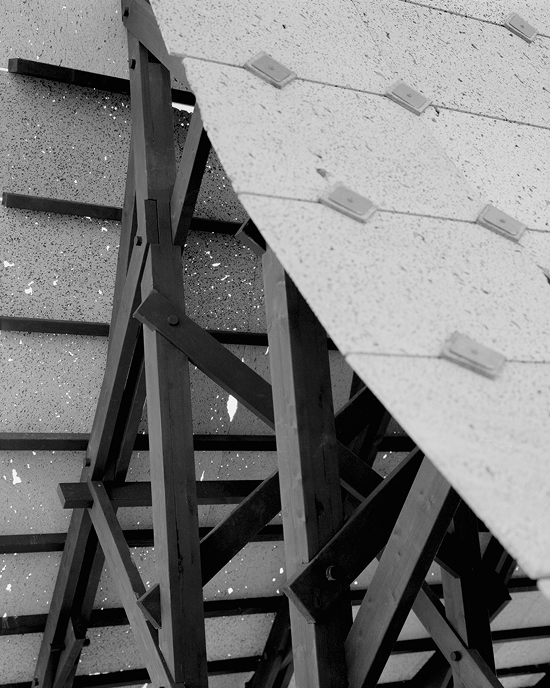
Using volcanic stone from the nearby Mount Etna volcano, local fire-sealed wood, Pietra Pece limestone, bronze, and sheep's wool felt, the structure offers a shaded space for gathering and reflection. Its doubly asymptotic form evokes both the volcanic cone that dominates the landscape of eastern Sicily and the excavated shape of the nearby latomies, where stone has been extracted since antiquity. By deliberately questioning the romanticized myth of Marc-Antoine Laugier's Primitive Hut, the open structure speaks of proximity, adaptability, and reciprocity with this rich and complex landscape.
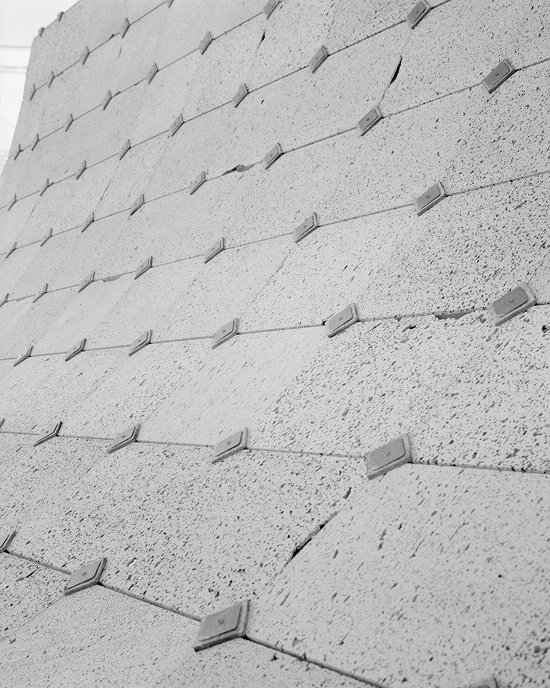
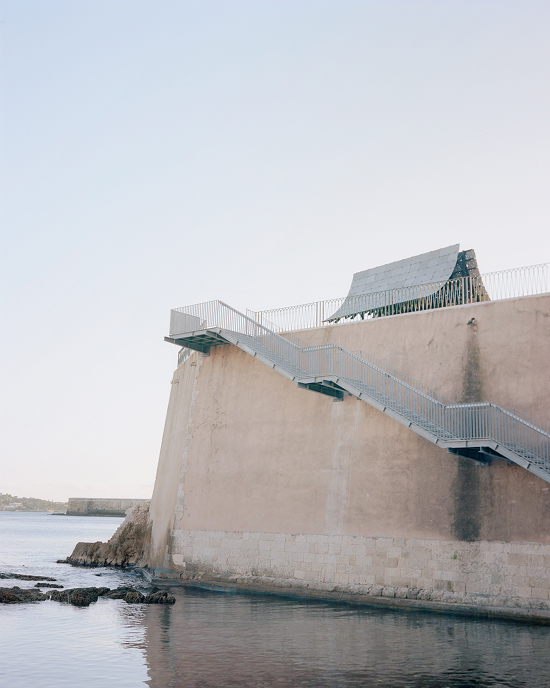
Fotografía Simone Bossi
You may also like
Biblioteca Rahmah
Ubicada en la Escuela Primaria Rahmaniyeh, en el Distrito Seis de Ciudad del Cabo, es una nueva y vi ...
Centro Arqueológico Augusta Raurica
En Augst, Suiza, Karamuk Kuo diseña la primera sede propia del Centro Arqueológico Augusta Raurica ...
Kössen Educational Center
En Kössen, Austria, Pedevilla Architects diseña un centro educativo que reúne escuela primaria, j ...