Vol. 4
Vol. 4
An exhibition at Galería Barro, Buenos Aires, that brings together a selection of pieces that push the boundaries between function, art and sculptural presence.
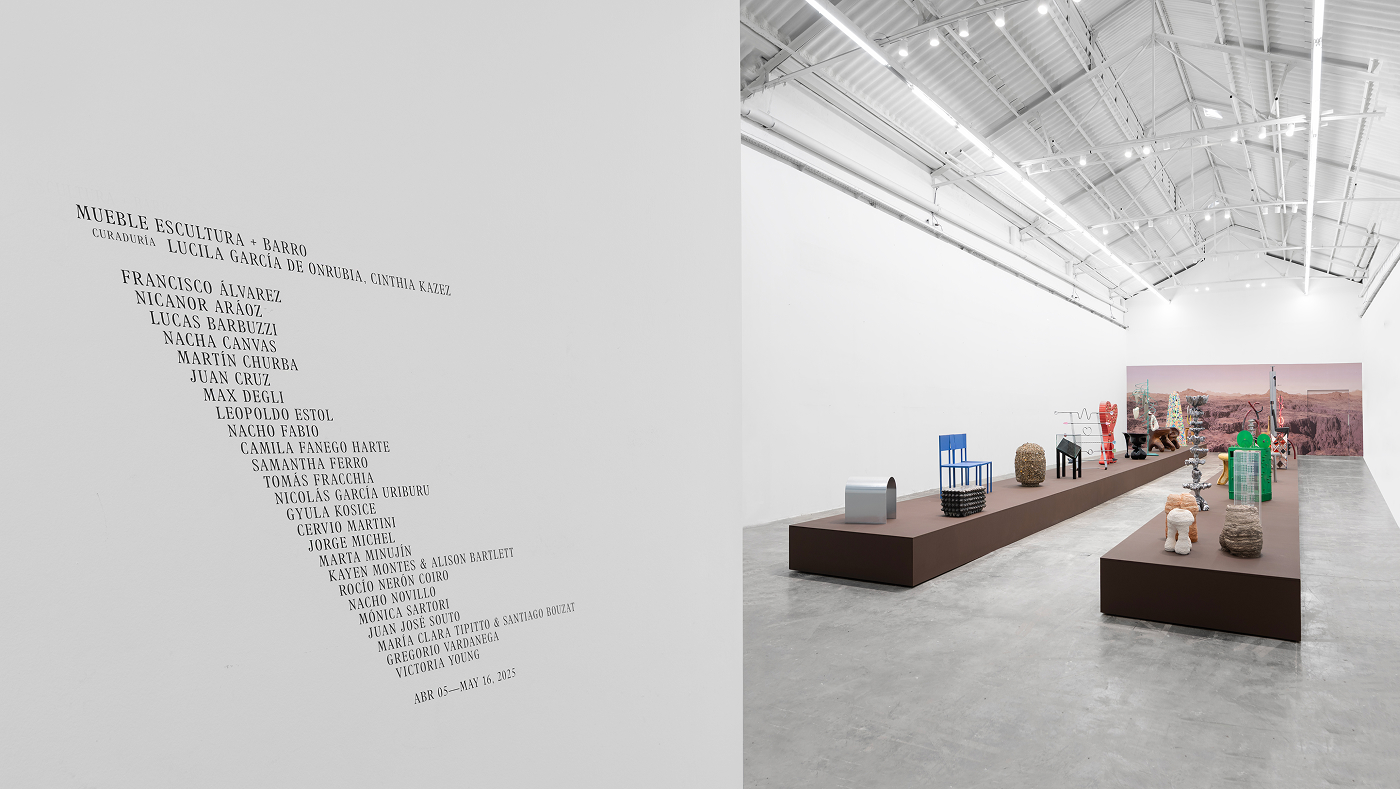
Between functional servitude and aesthetic sovereignty, the furniture-sculpture inhabits a threshold where the orders of art and design brush against each other, elude each other, and attract one another. The friction is less a problem of categories than of impulses: when does an object emancipate itself from its condition as a tool? When does form resist the domestication of use and assert itself as an autonomous presence?
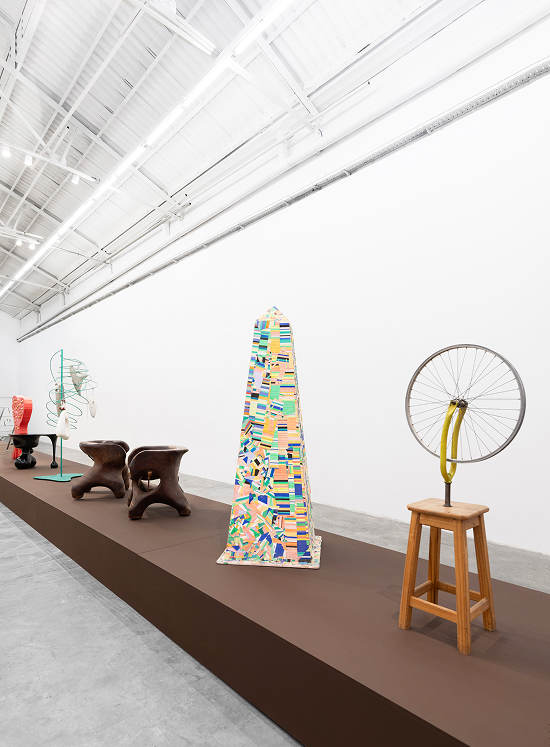
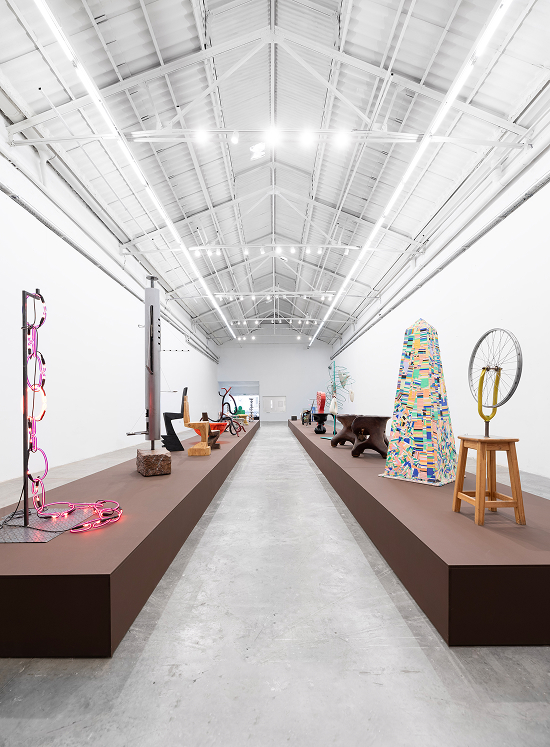
The pairing of furniture and sculpture is not a clash of terms; it is a shift in the continuum between the useful and the contemplative. Furniture is, by definition, a promise of docility: it offers itself to the body, allows itself to be inhabited, and embodies the memory of gesture. Sculpture, on the other hand, has asserted its right to irreducibility, to the undeniable gravity of its presence. But in this intermediate space, the resistance to functional subservience does not relinquish its capacity for use.
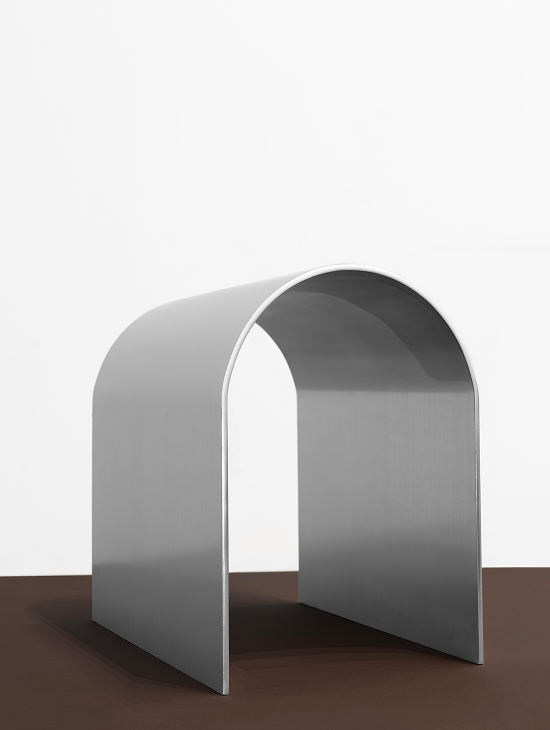
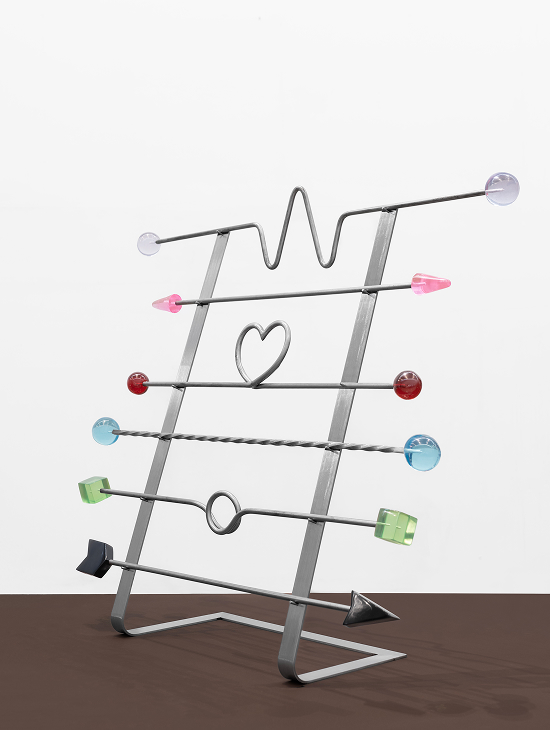
During the 20th century, modern sculpture abandoned the pedestal to disperse into space, while design oscillated between the exaltation of function and expressive intent. Postwar architecture experimented with interior design as a stage: lines that curve without anatomical constraint, choreographing the idea of a body in transit. Thus, these lines escaped the functionalist canon and became symbols of an imagined domesticity.
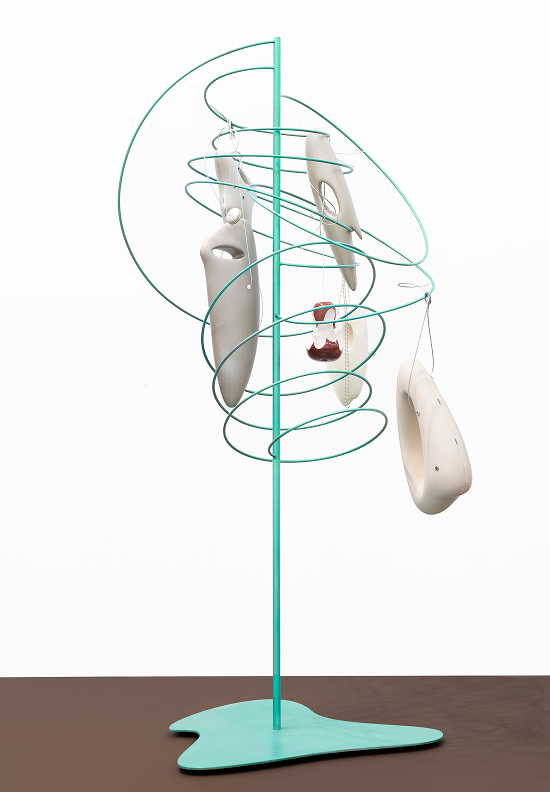
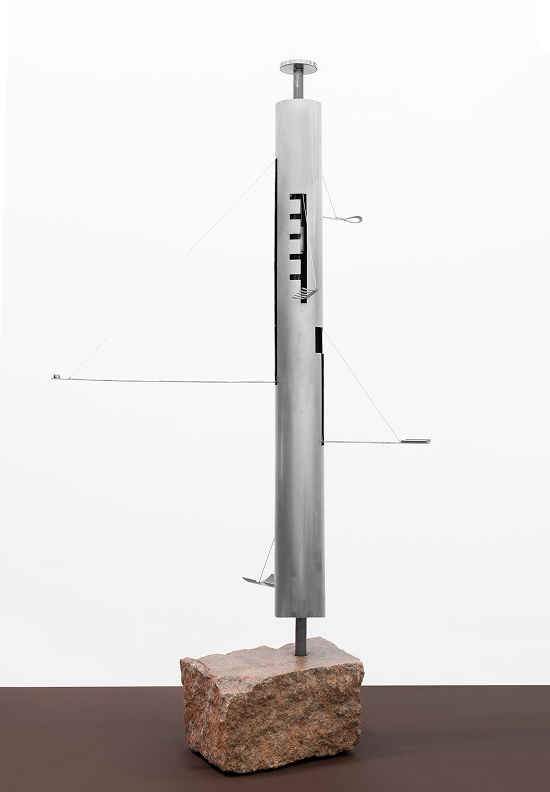
At the same time, the sculptural drift undertakes a strategy of emptying: systems of repetition, geometry, and seriality, in which utility is suspended in ambiguity. There exists, however, another genealogy, less linear and more contaminated, which disobeys disciplinary programs and finds a virtue in confusion.readymadeIt operates like a latent infection, a viral deviation that sabotages the logic of utility from within. These configurations should be read as symptoms of a sensibility that resists taxonomies and makes no distinction between support and ornament, ergonomics and fetish, or domesticity and violence.
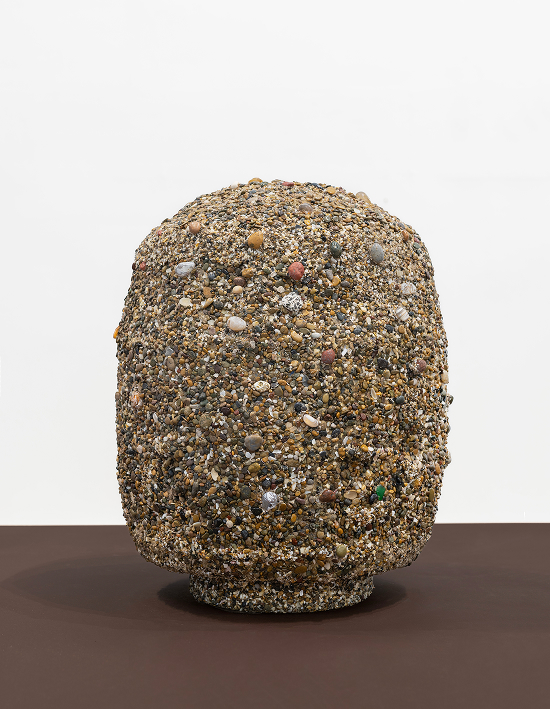
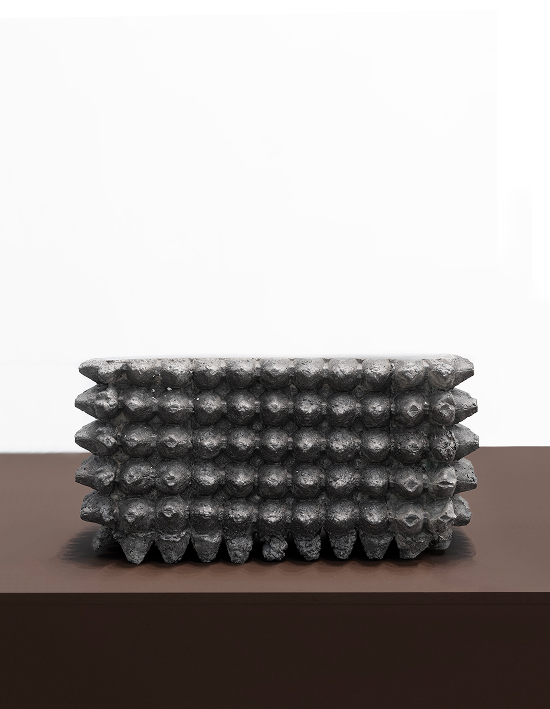
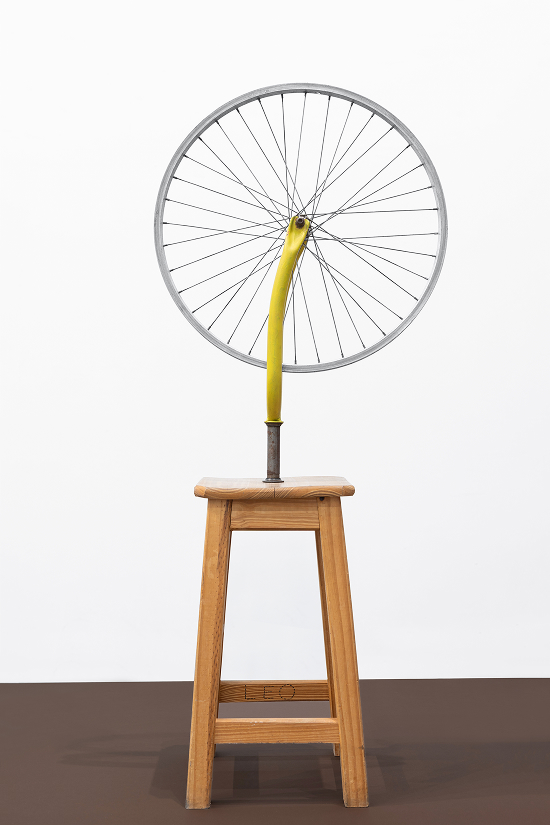
The fourth edition of Mueble Escultura brings together pieces in which that impurity becomes language: Michel's corporeal armchairs, Kosice's aquatic table, Fracchia's thrones; Marta Minujín's icon or Cervio Martini's pop melancholy.Rueda Duchamp, by Leopoldo Estol, folds back the gestureduchampianoabout himself in an ironic, self-reflective or parasitic movement.
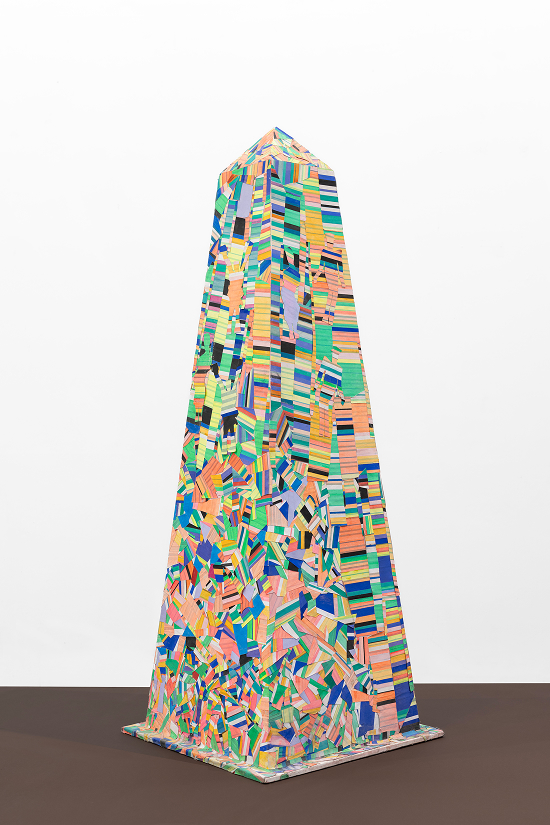
This approach operates from the margins: it distrusts the canon and comfort, sabotages the promise of design, and exaggerates the tactile, affective, or absurd dimension. There is a will to disobey, a kind of joyful counter-functionalism that allows for excess, fragility, or strangeness.
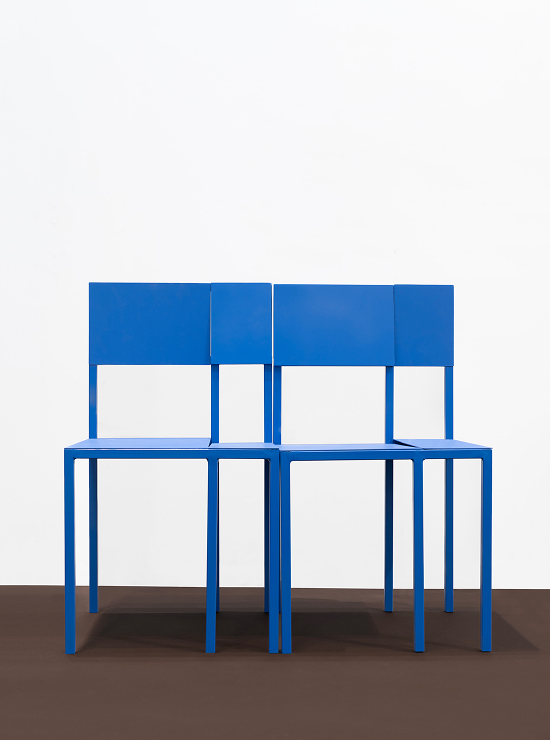
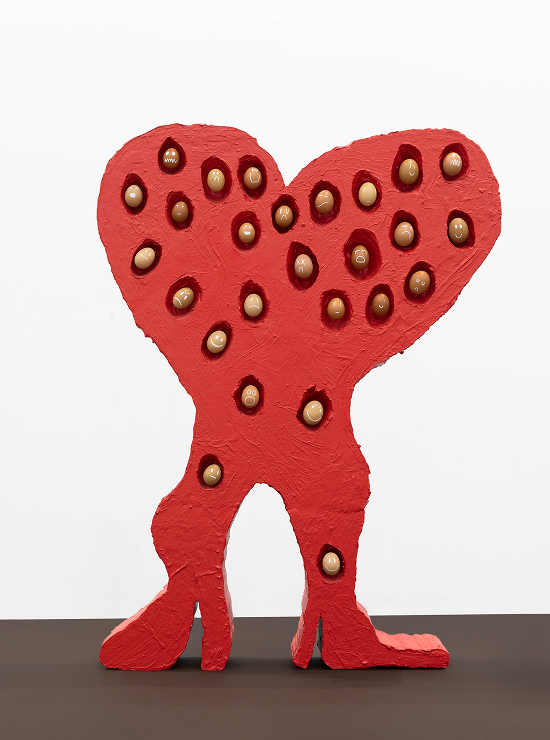
Participantes Camila Fanego Harte, Cervio Martini, Francisco Álvarez, Gregorio Vardanega, Gyula Kosice, Jorge Michel, Juan Cruz, Juan José Souto, Kayen Montes y Alison Bartlett, Leopoldo Estol, Lucas Barbuzzi, María Clara Tipitto y Santiago Bouzat, Martín Churba, Marta Minujín, Max Degli, Mónica Sartori, Nacha Canvas, Nacho Fabio, Nacho Novillo, Nicanor Aráoz, Nicolás García Uriburu, Rocío Nerón Coiro, Samantha Ferro, Tomás Fracchia, Victoria Young
Fechas 5 de abril al 16 de mayo de 2025
Fotografía Benjamín Vizcaino
You may also like
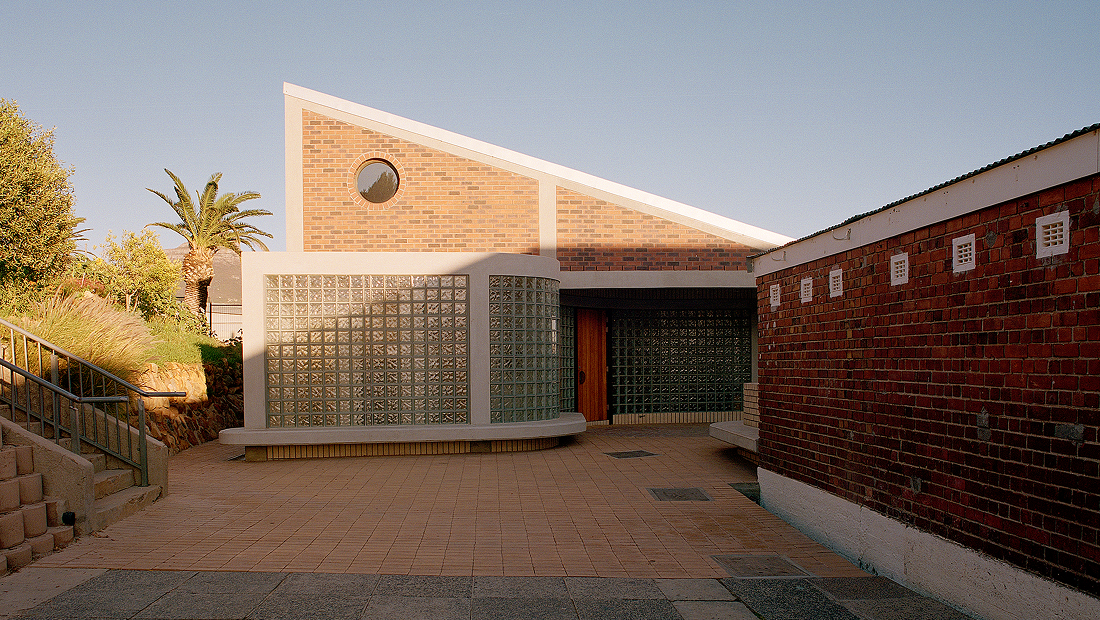
Biblioteca Rahmah
Ubicada en la Escuela Primaria Rahmaniyeh, en el Distrito Seis de Ciudad del Cabo, es una nueva y vi ...
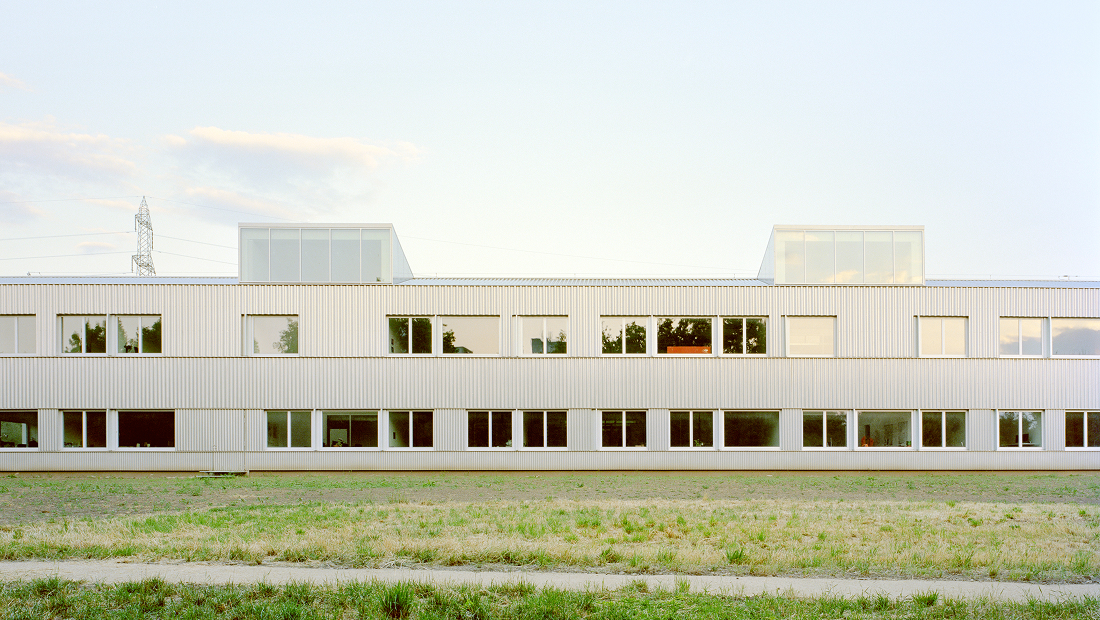
Centro Arqueológico Augusta Raurica
En Augst, Suiza, Karamuk Kuo diseña la primera sede propia del Centro Arqueológico Augusta Raurica ...
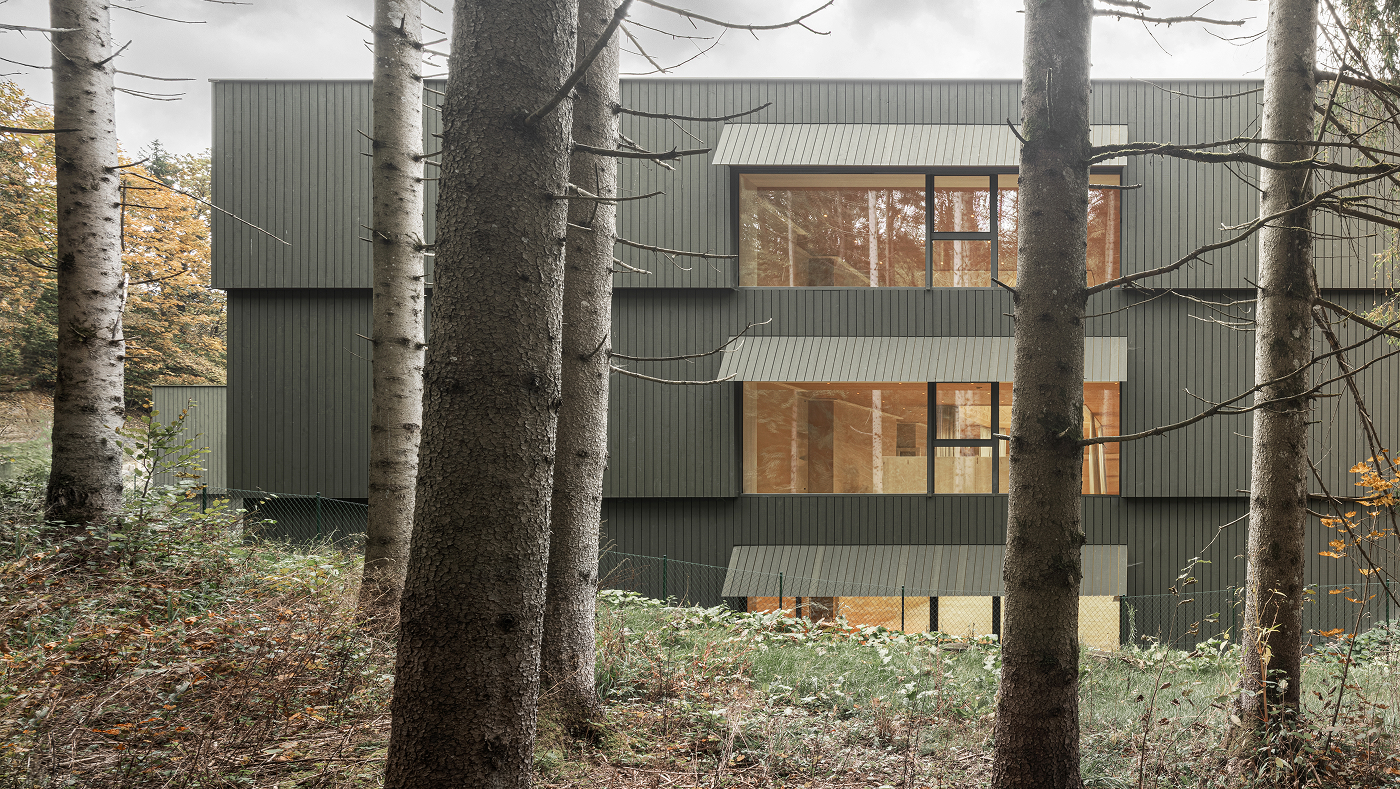
Kössen Educational Center
En Kössen, Austria, Pedevilla Architects diseña un centro educativo que reúne escuela primaria, j ...