Barge Crescent
Barge Crescent
Located south of London, near the Oxo Tower, the new office building takes the place of a row of old three-story buildings of the same type built in the early 1990s.
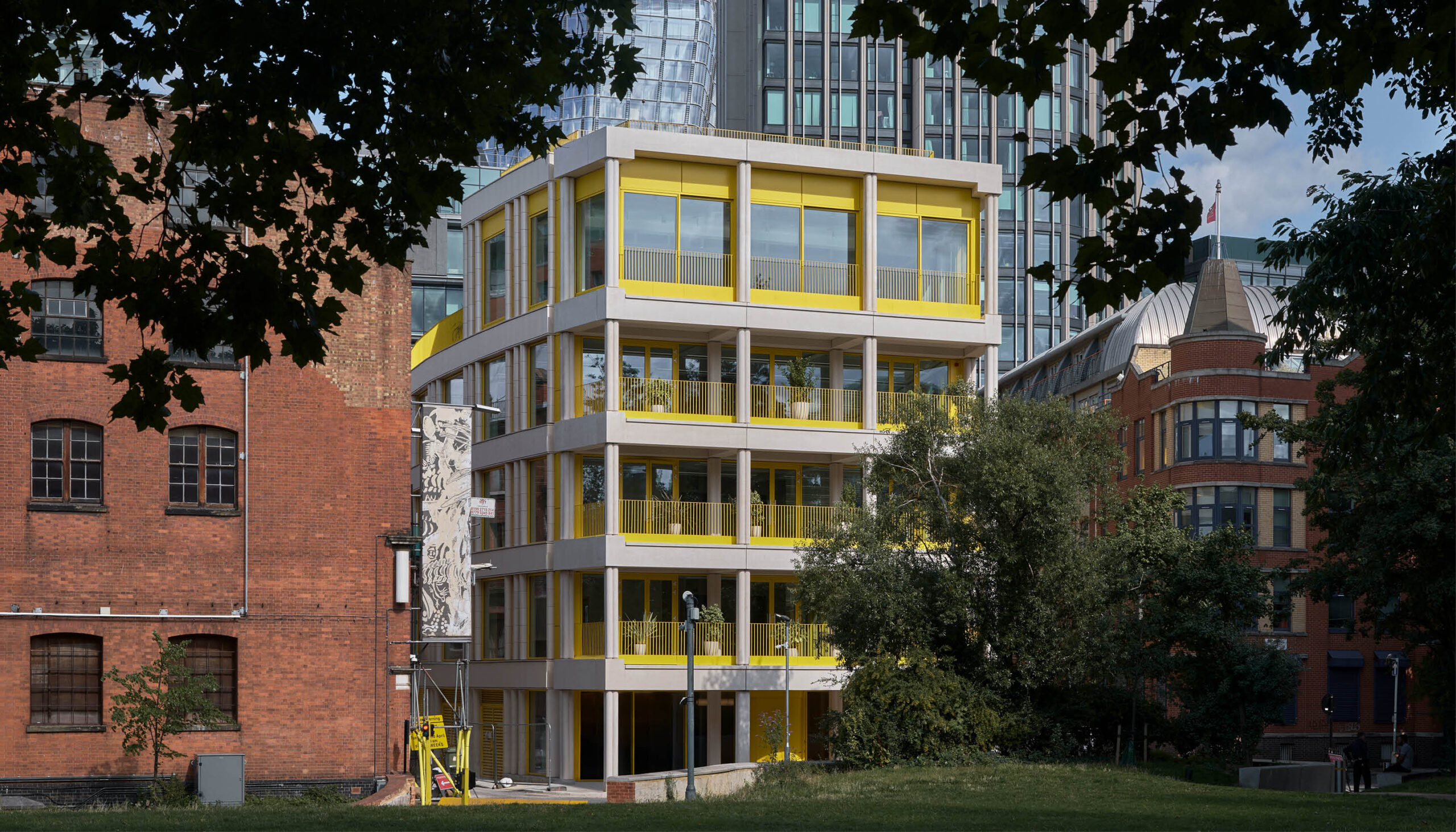
The new office building, near the Oxo Tower on London's south bank, replaces a row of similar three-story buildings constructed in the early 1990s. Hermetically sealed and highly mechanized, with equipment occupying an entire floor, they proved extremely inefficient. An initial feasibility study concluded they were not adaptable.
However, even though repurposing was not possible, the goal was to reduce the new carbon emissions from the new building.
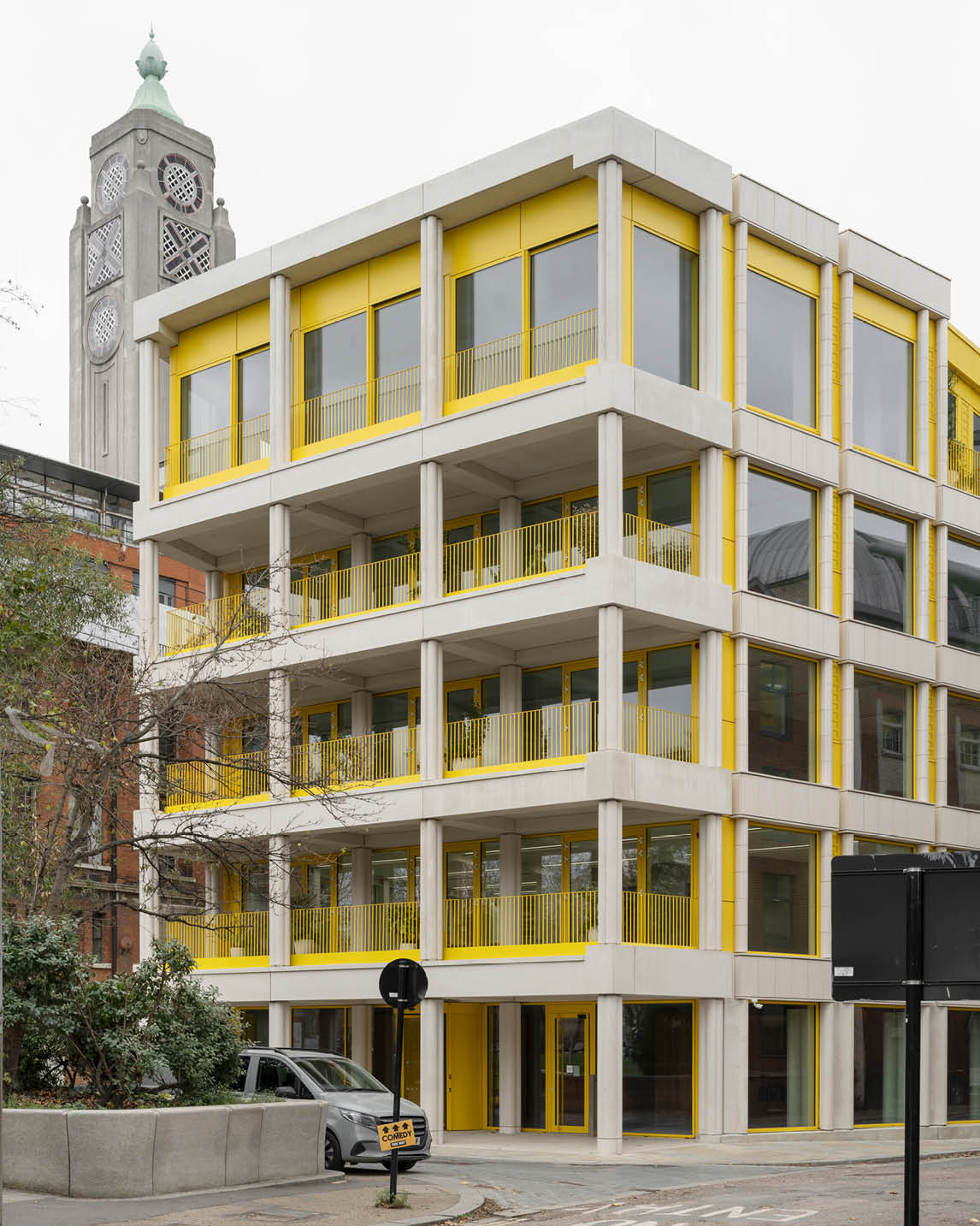
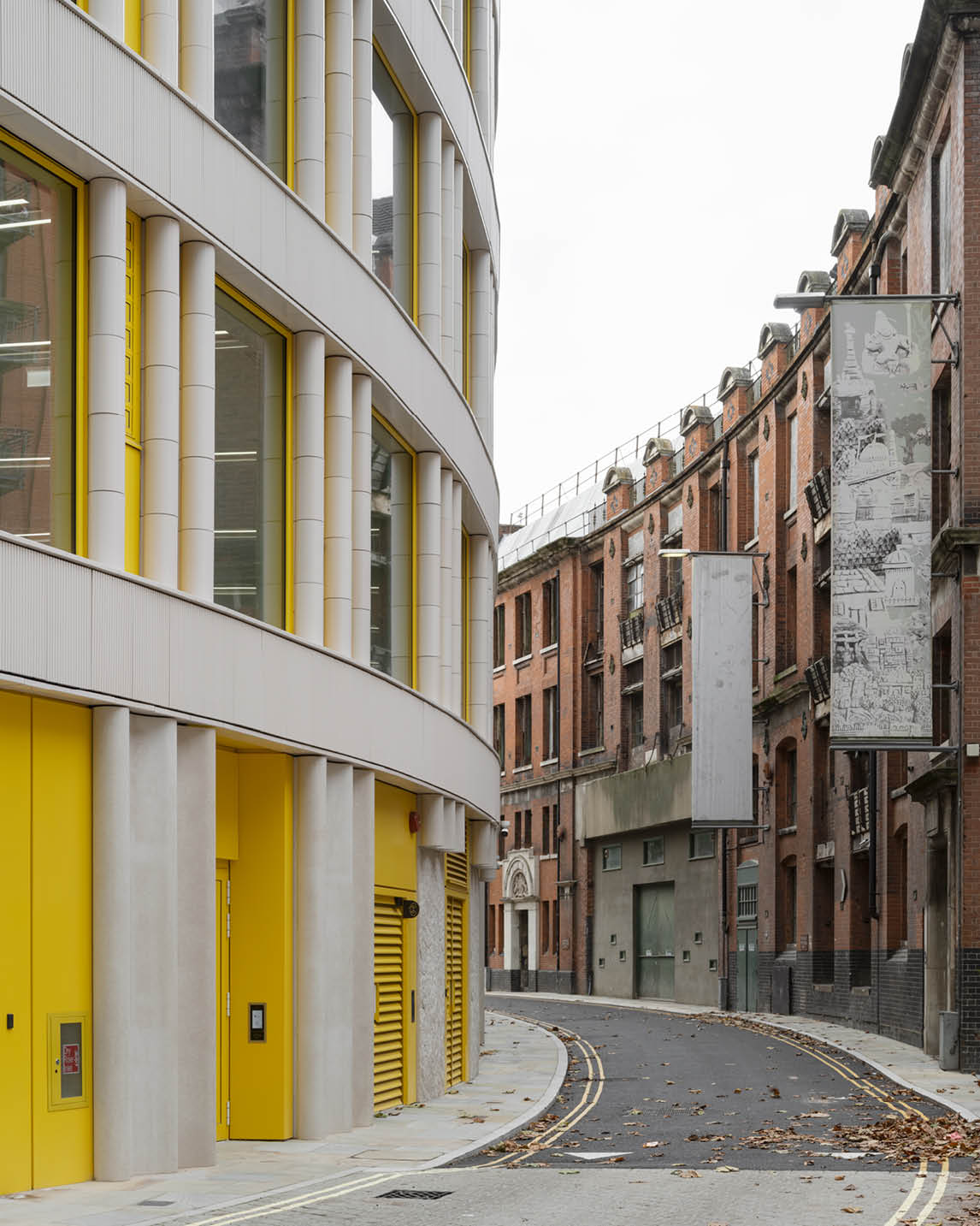
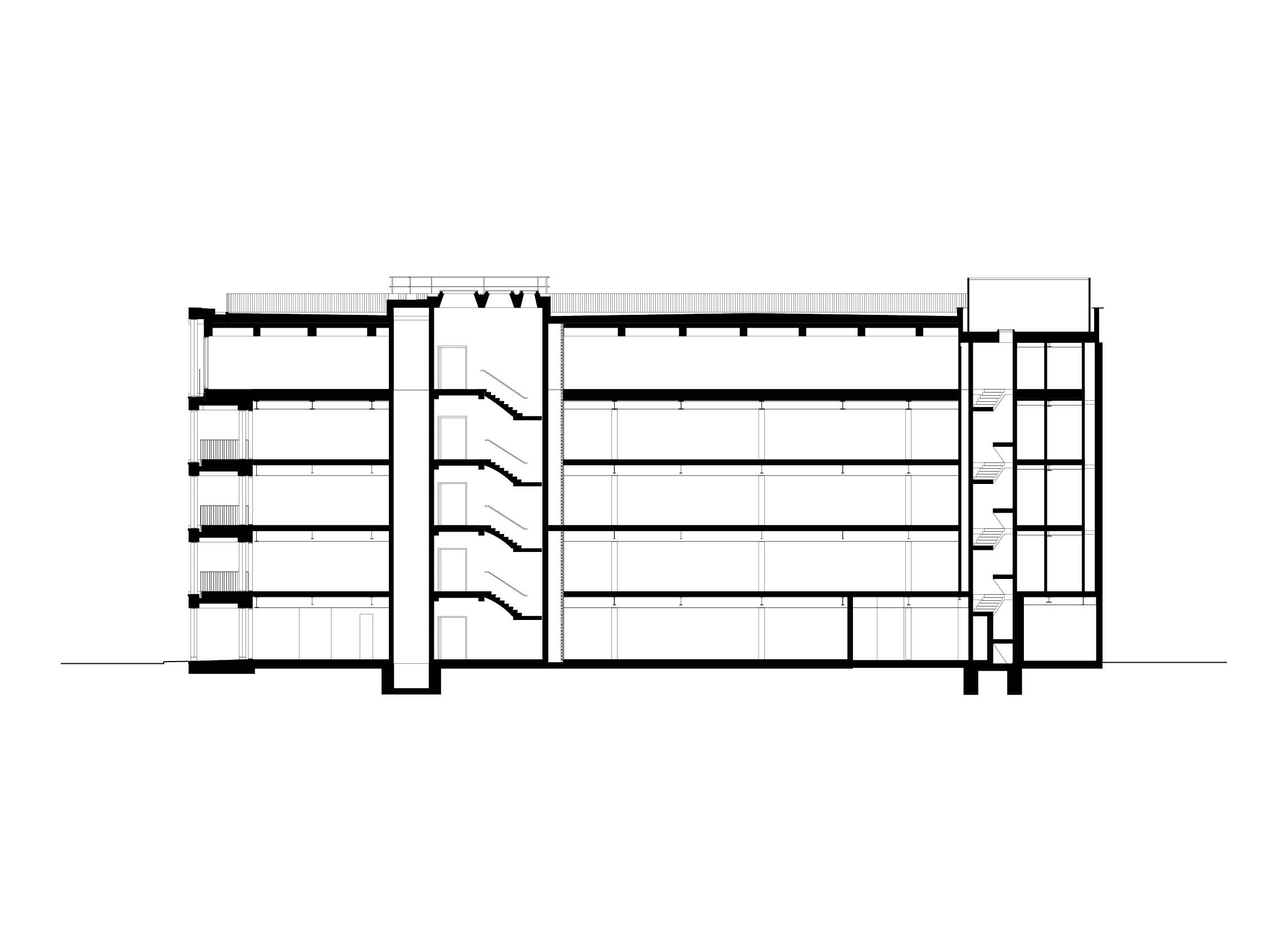
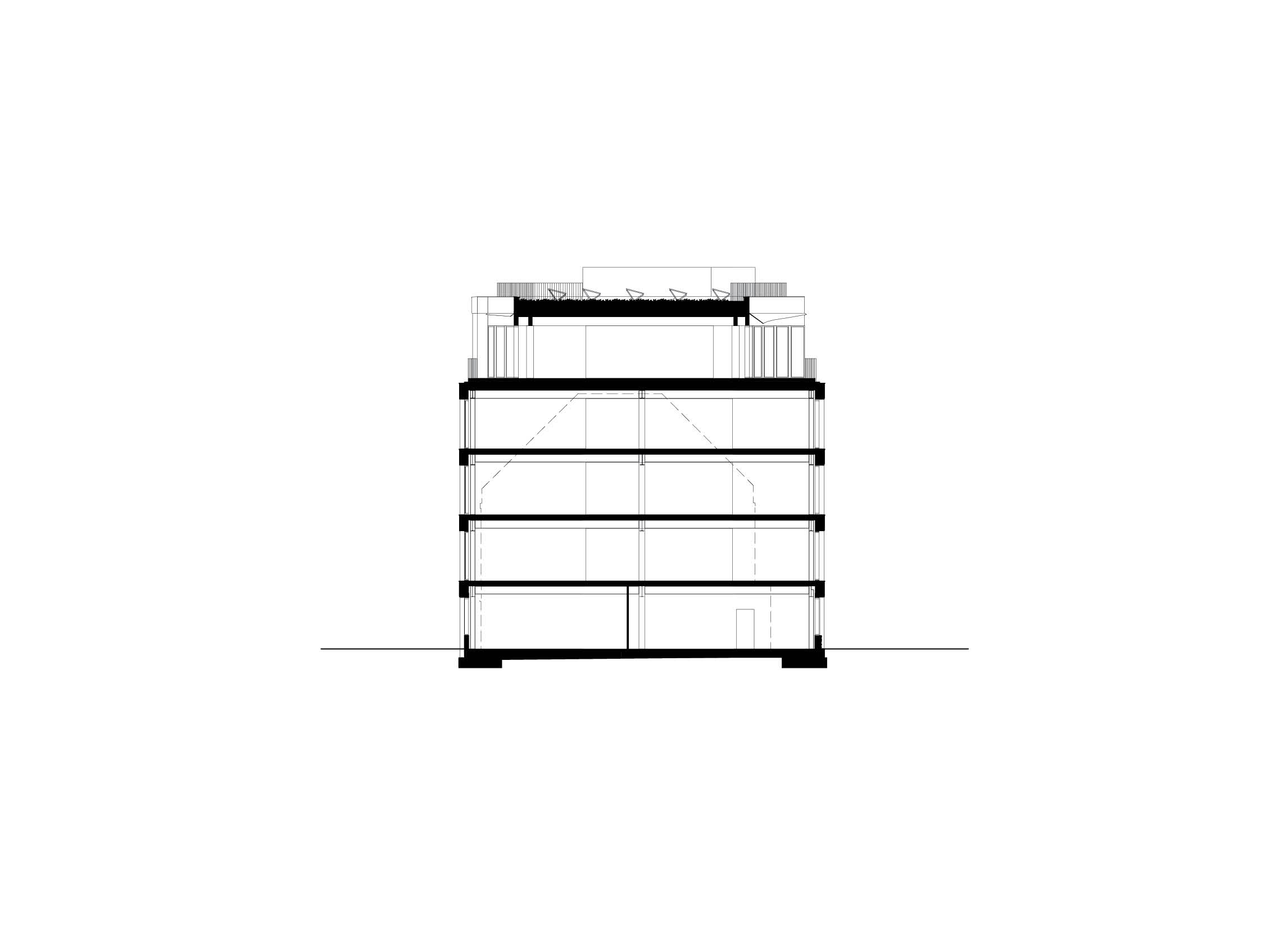
As a result, the project reuses the existing substructure from the 1990s. The design optimizes sunlight and incorporates natural ventilation through a hybrid solution, reducing energy consumption and enhancing the natural environment. Alongside these technical requirements, other considerations arose related to civic design, architectural language, and habitability.
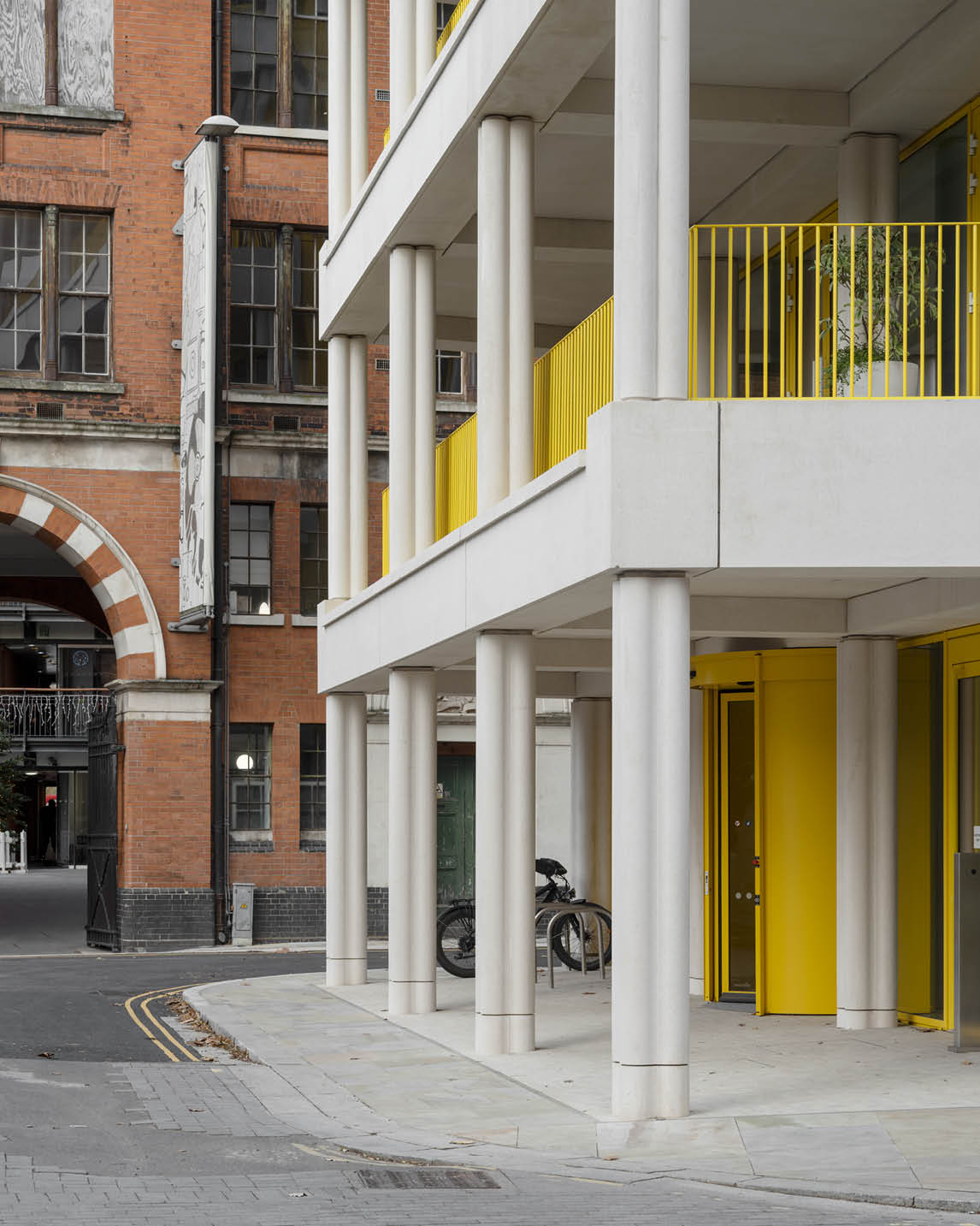
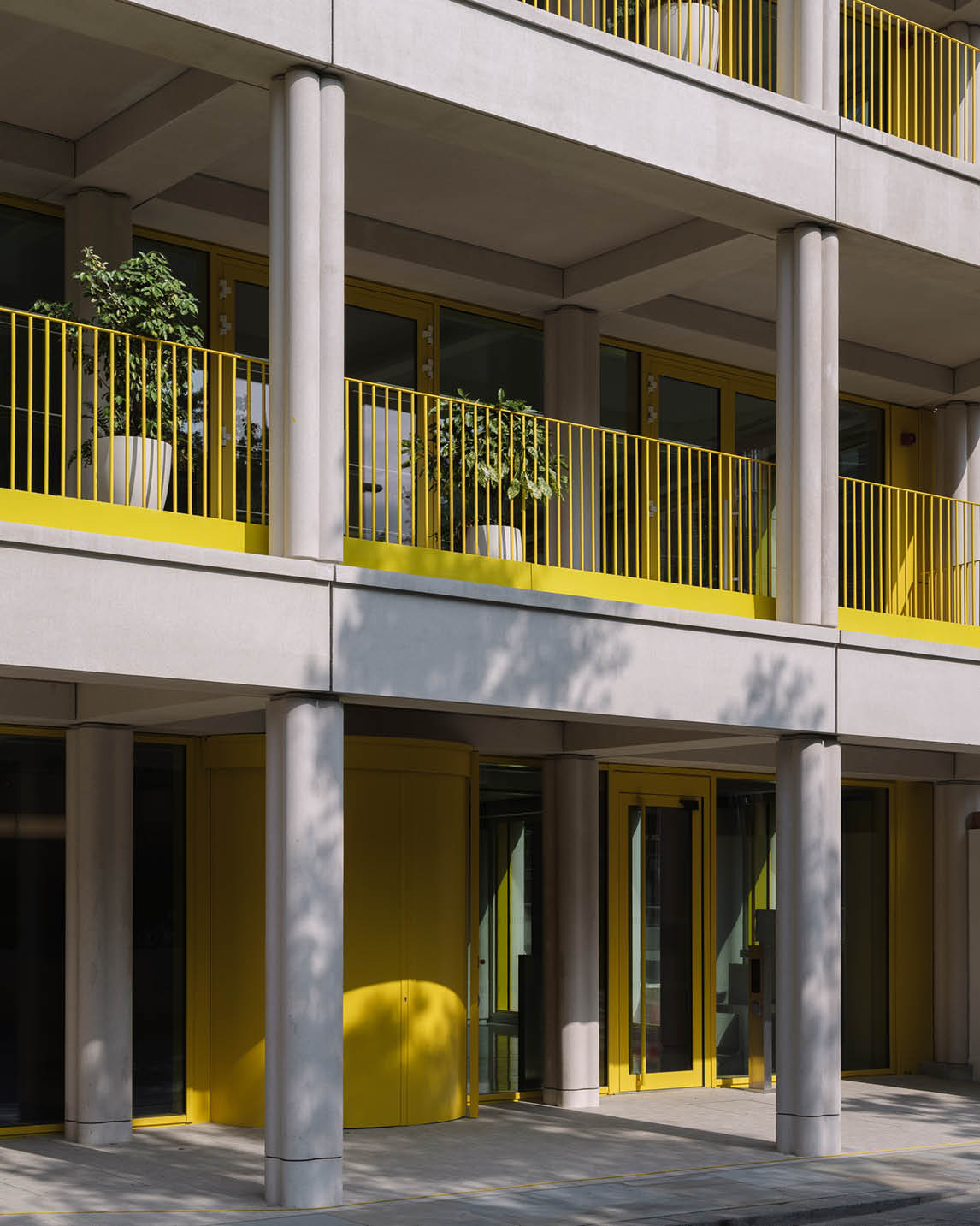
The architectural language and atmosphere of the building are articulated around four objectives: the reuse of the substructure, the entry of natural light, cross ventilation and accessibility to the exterior spaces.
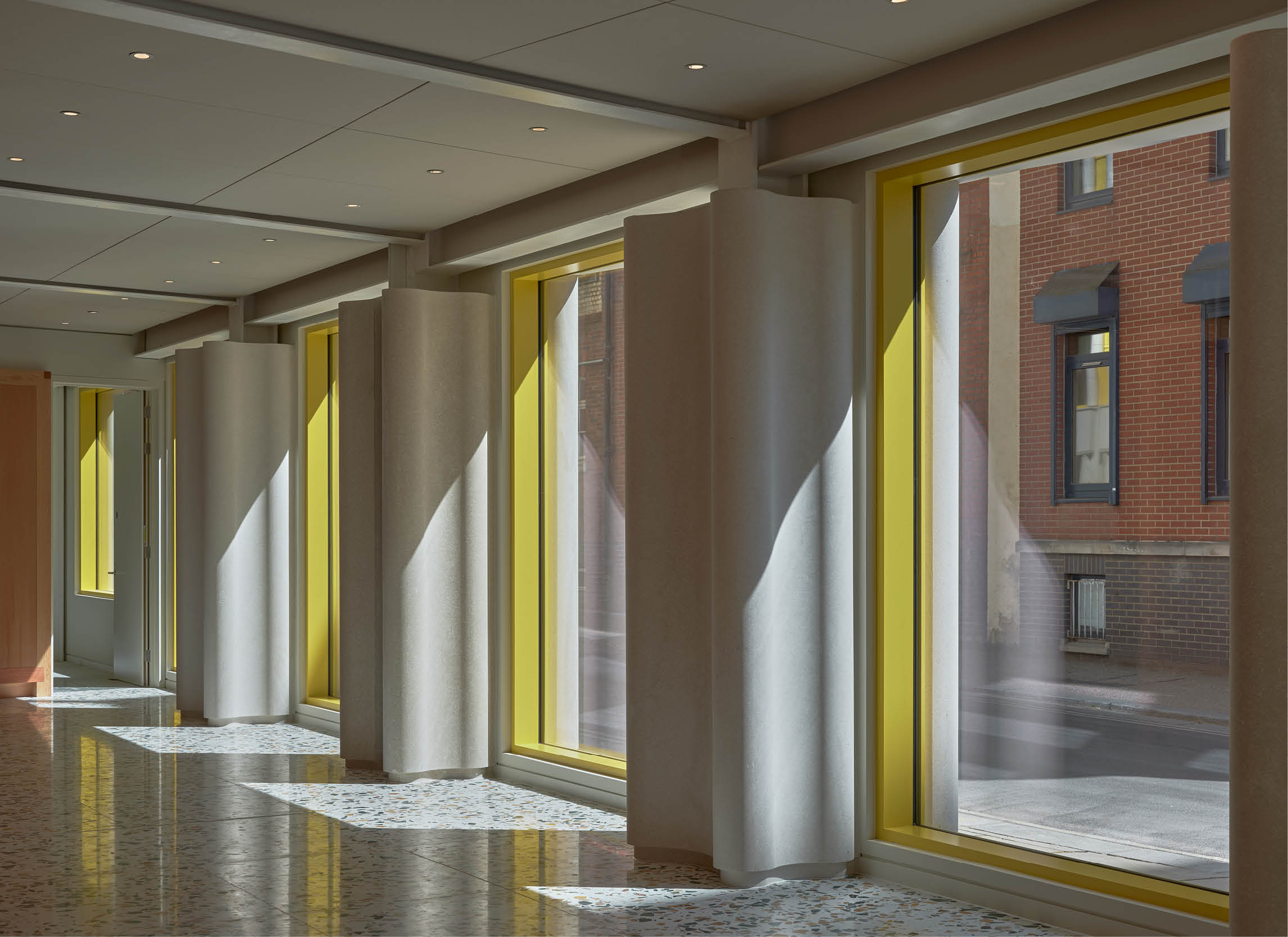
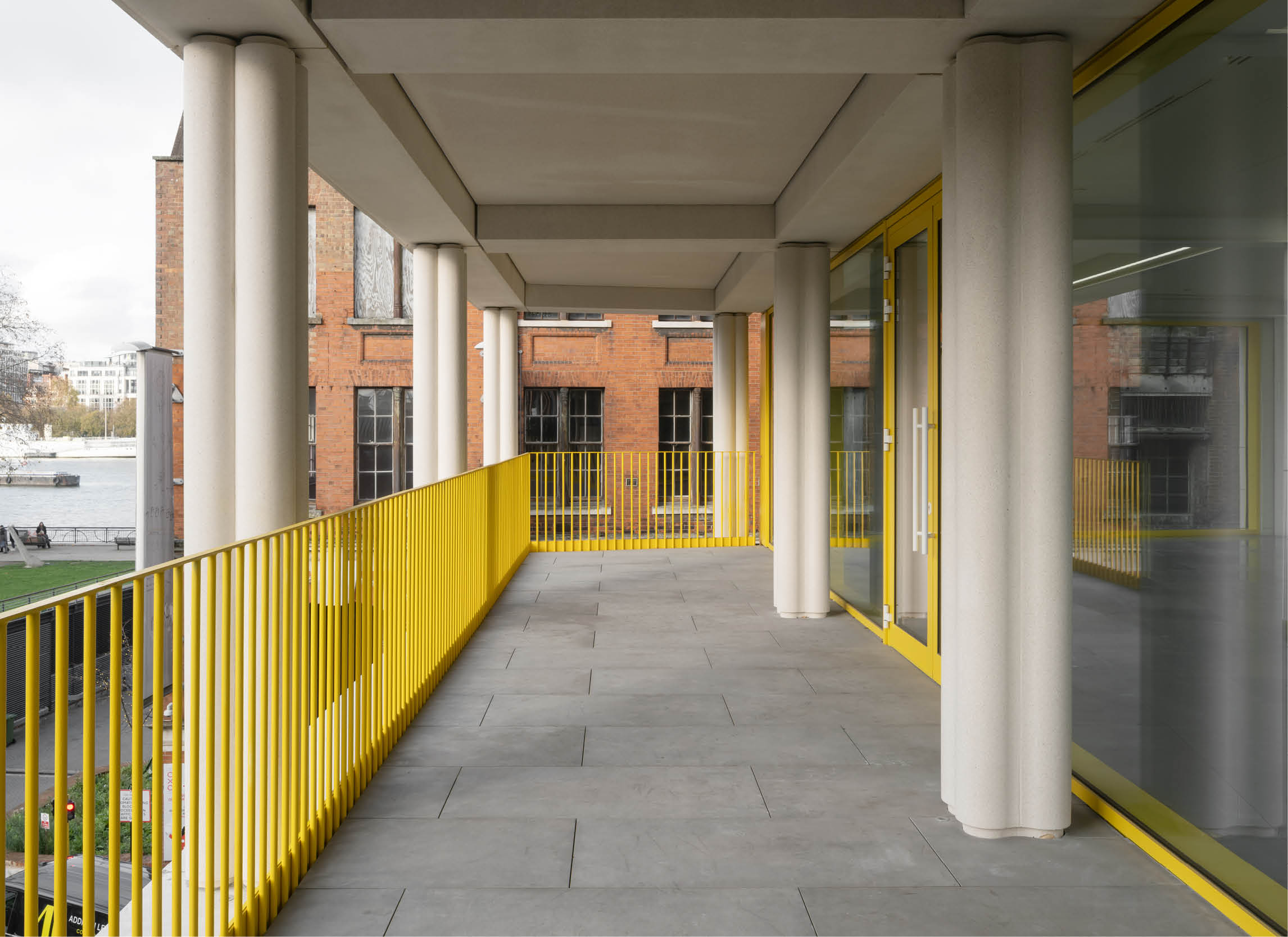
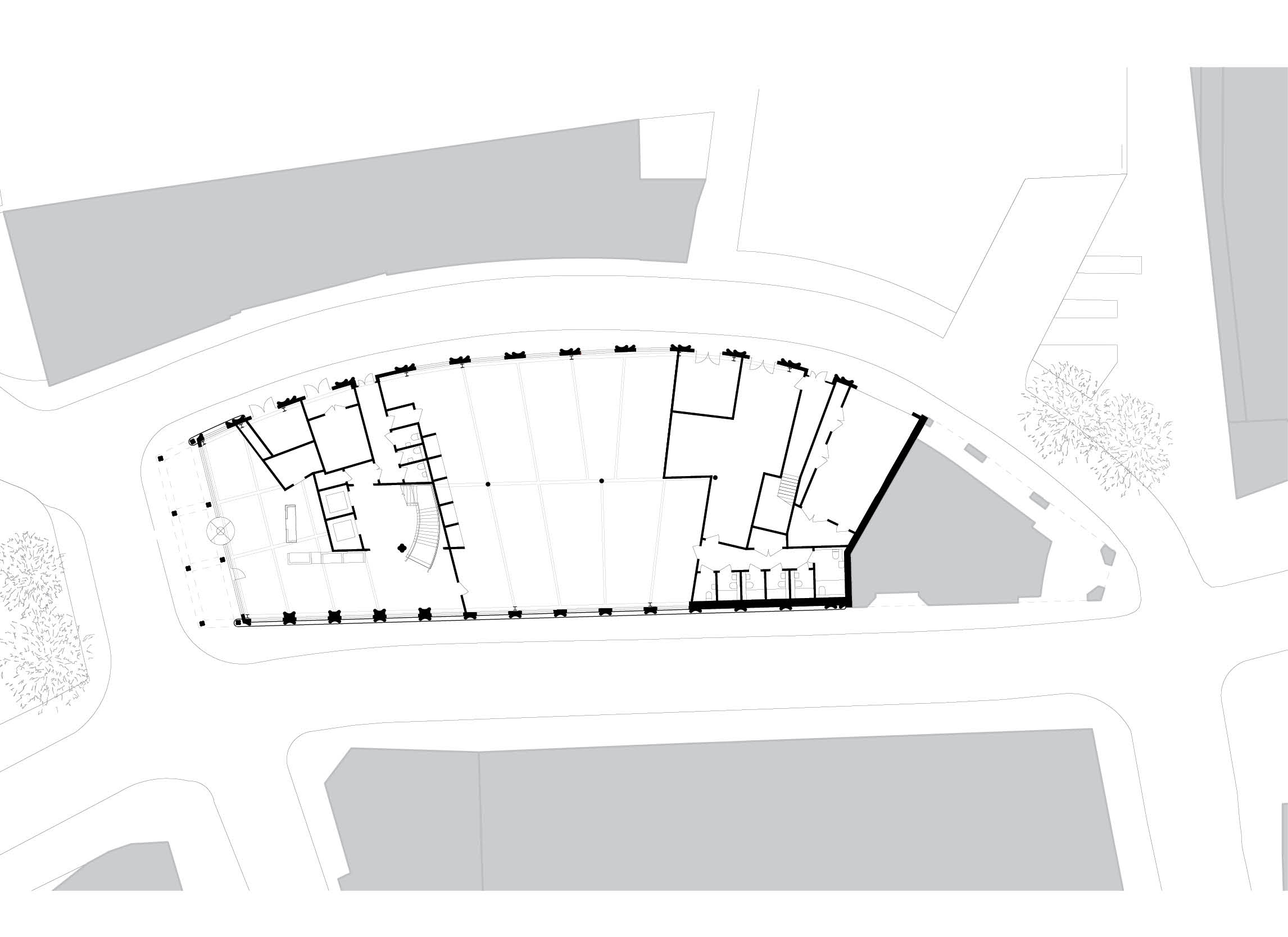
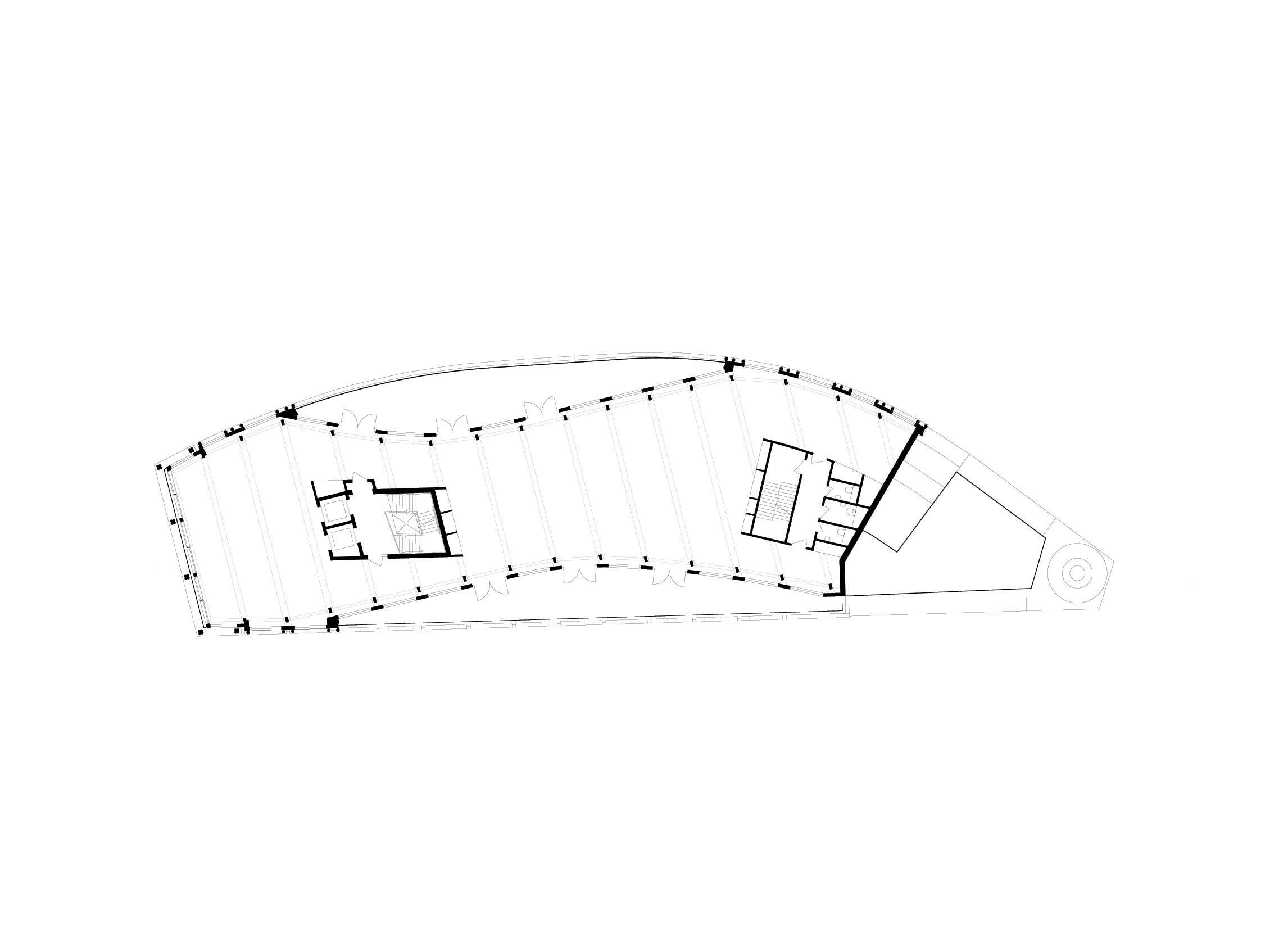
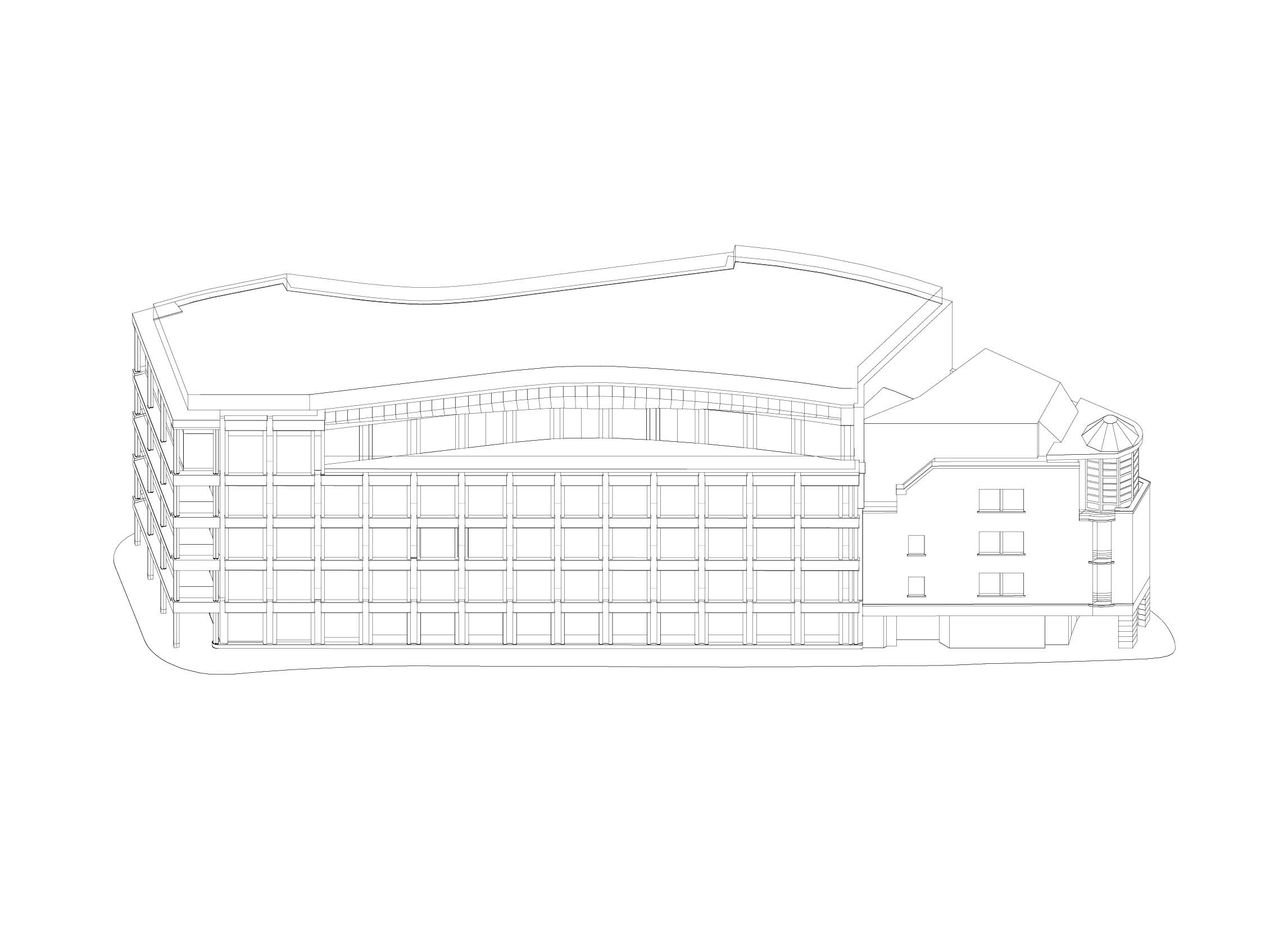
The new building is reoriented towards the adjacent park and the nearby River Thames. There, a loggia marks the entrance, and on the three upper levels, it offers a series of communal outdoor spaces for its users. The facades are composed of fine terracotta elements set upon a robust base of cast-in-place and precast concrete. Large windowspicture windowWith yellow frames and slats, they allow both natural light and cross ventilation.
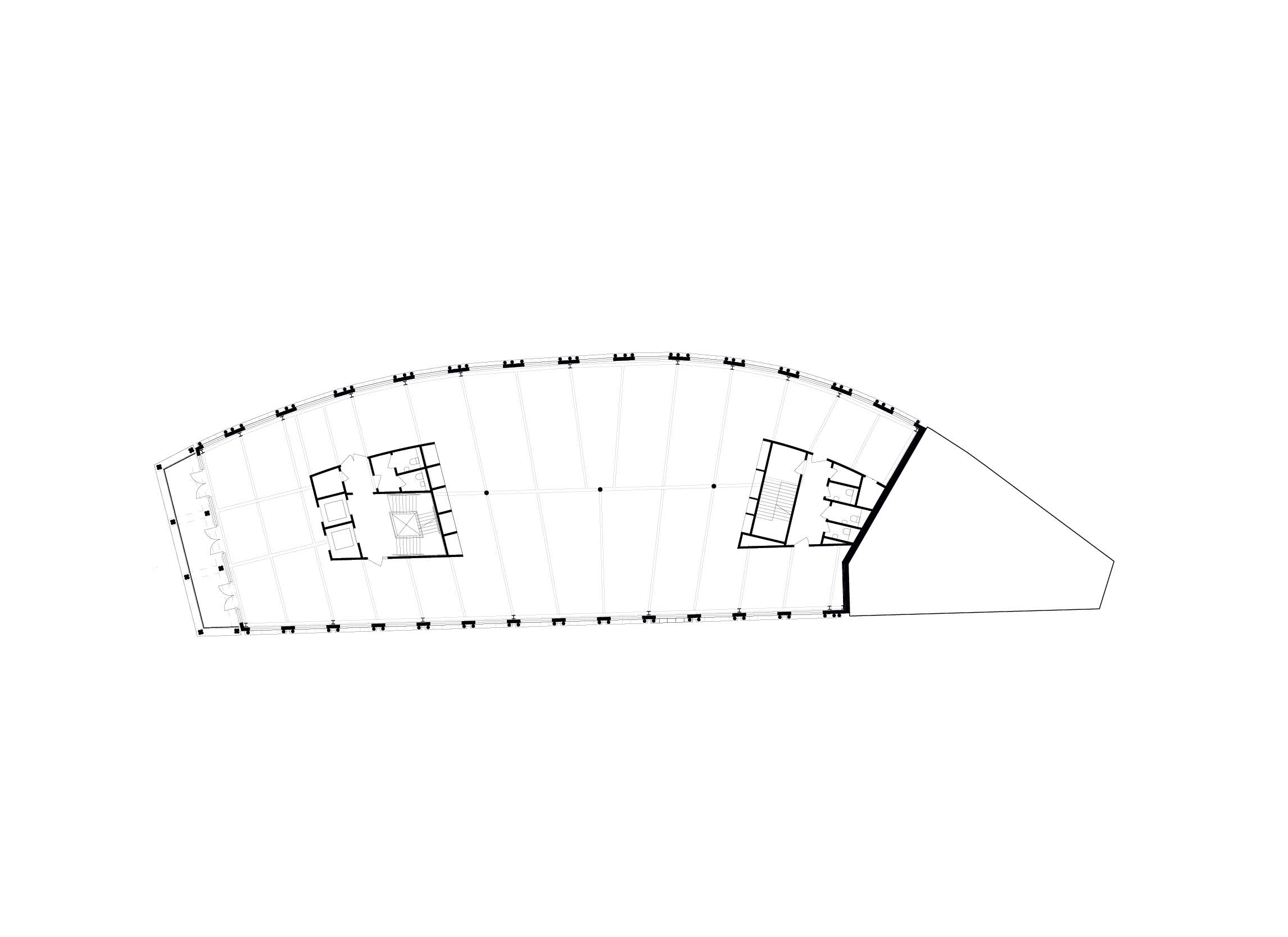
Each facade, although part of a family of elevations, responds to different environmental criteria according to its orientation; each one literally responds to the patterns of the substructure; while establishing visual relationships between the interior and the exterior.
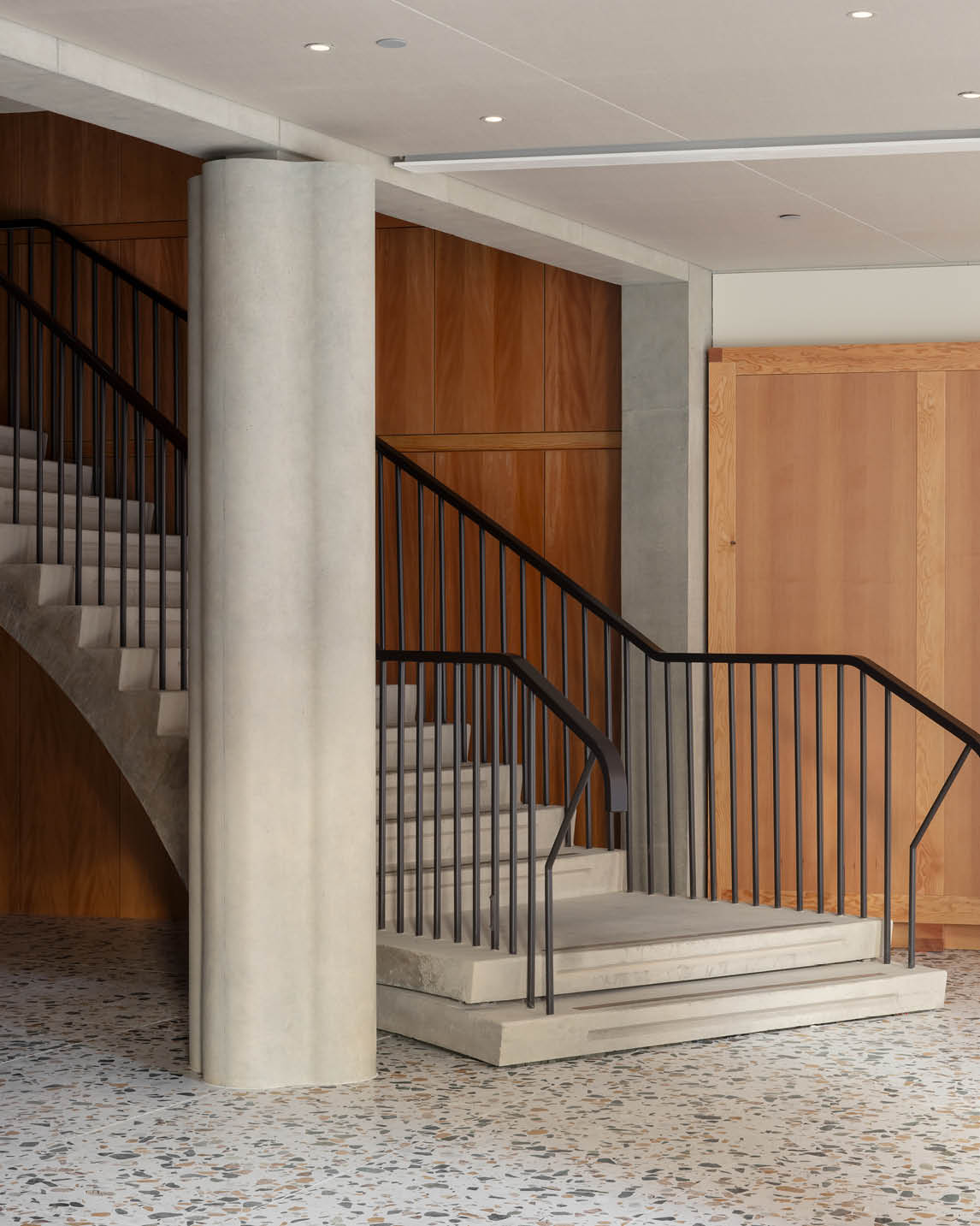
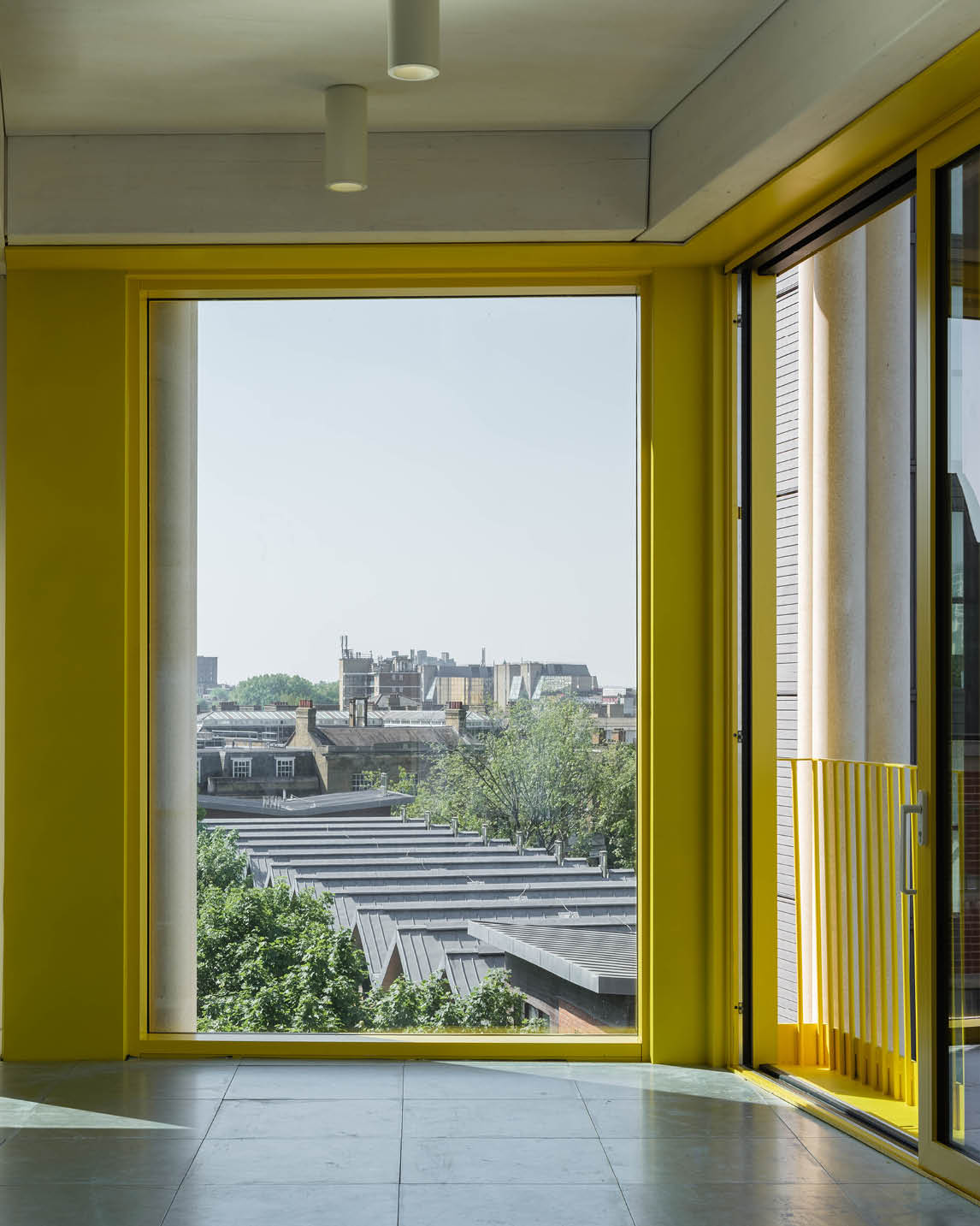
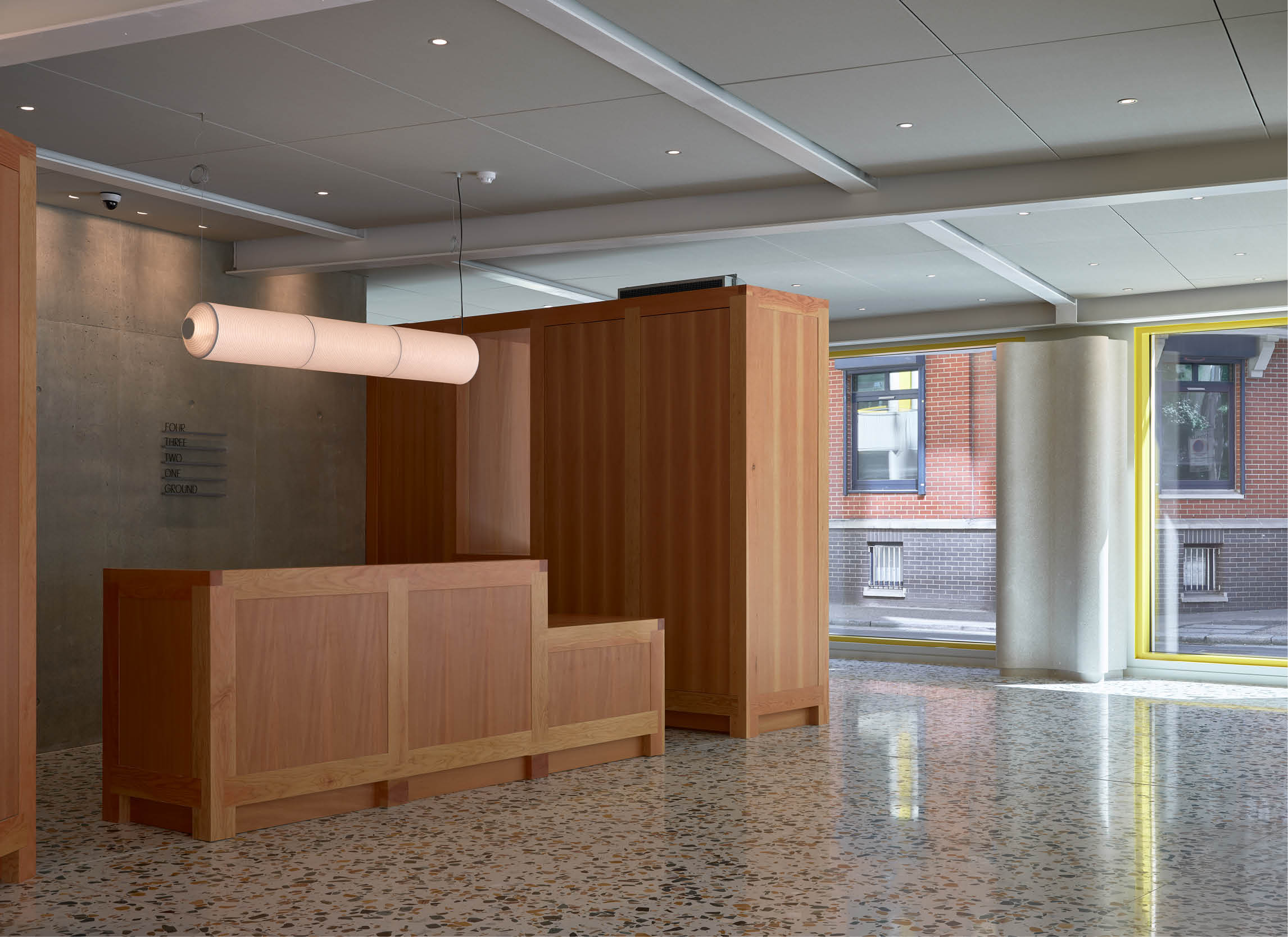
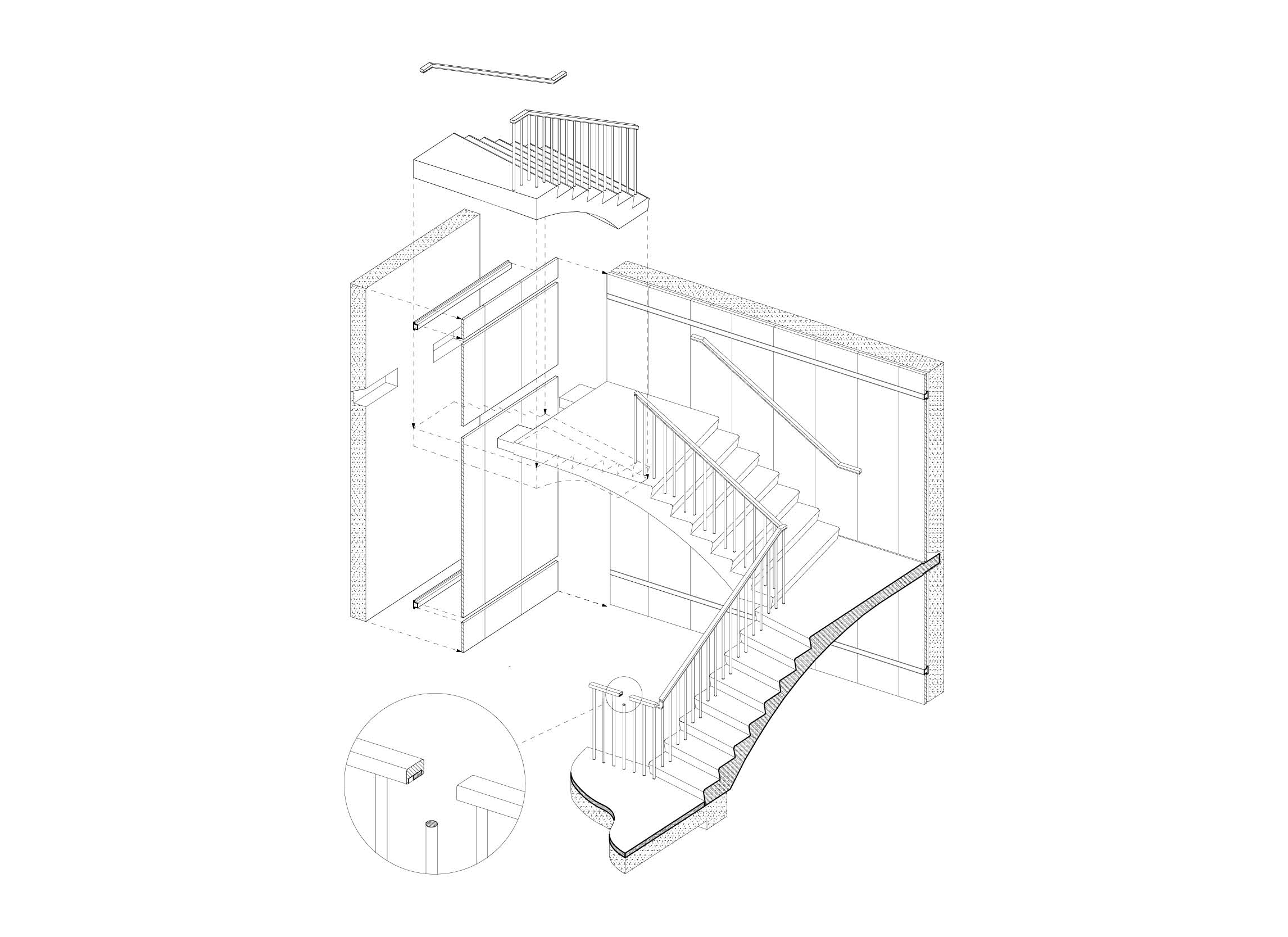
Inside, the reception area is translucent on three sides. The space is furnished with several pieces of Douglas fir—a screen, a bench, and the reception desk—set on a terrazzo floor. The lobby extends along Upper Ground Street to the base of a precast concrete staircase, located within the Douglas fir-paneled walls of the west core, which are illuminated by skylights.
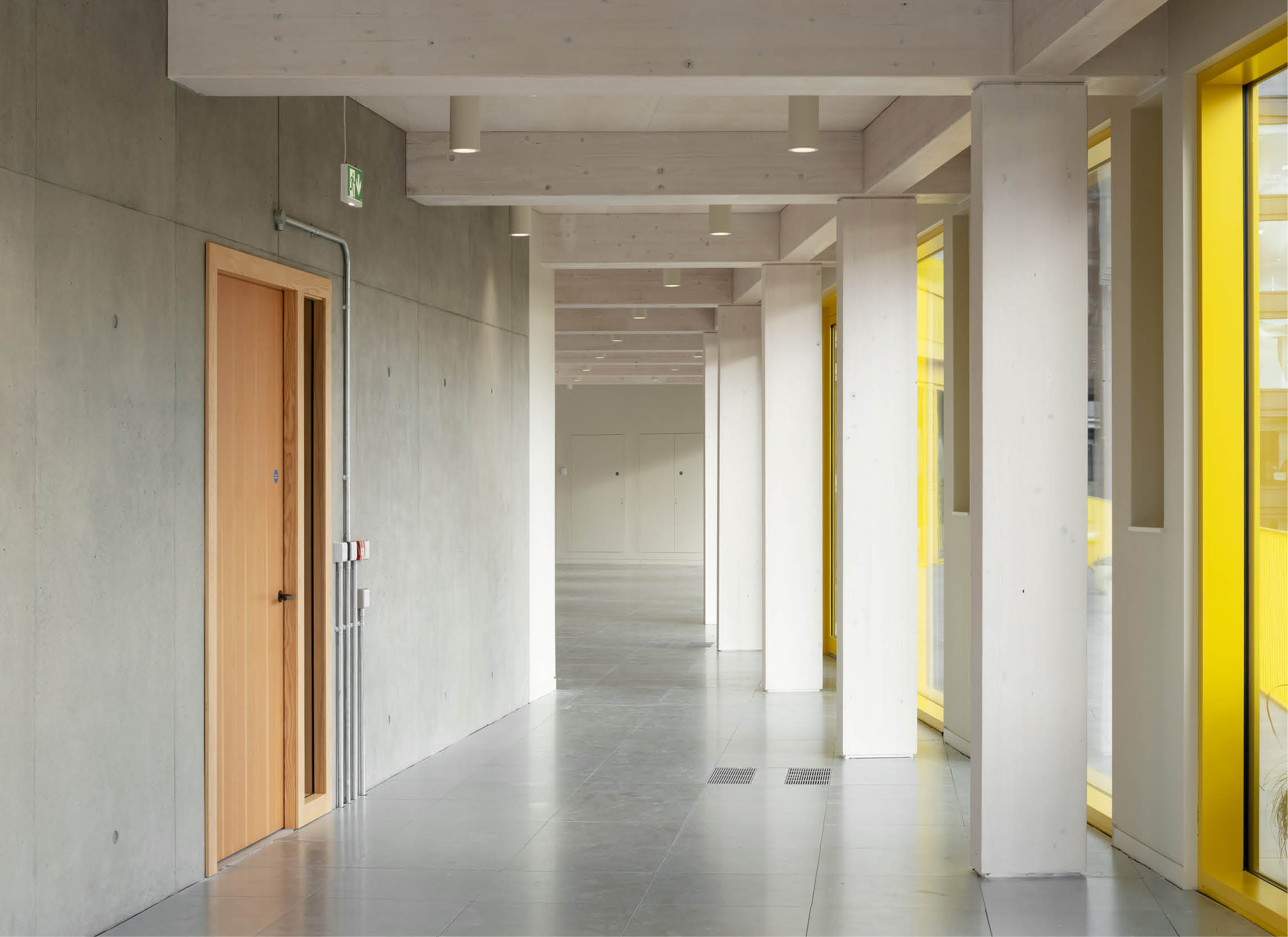
The building's geometry, largely inherited, allows for spacious, unsupported floor plans, generous interior heights, and unobstructed ceilings (free from building services), while also creating rhythms of light and shadow within the interior. The top floor, constructed of wood, opens onto the roof gardens, offering expansive views of Barge House and Upper Ground streets. It resembles a temple, with its loggia facing a public park.
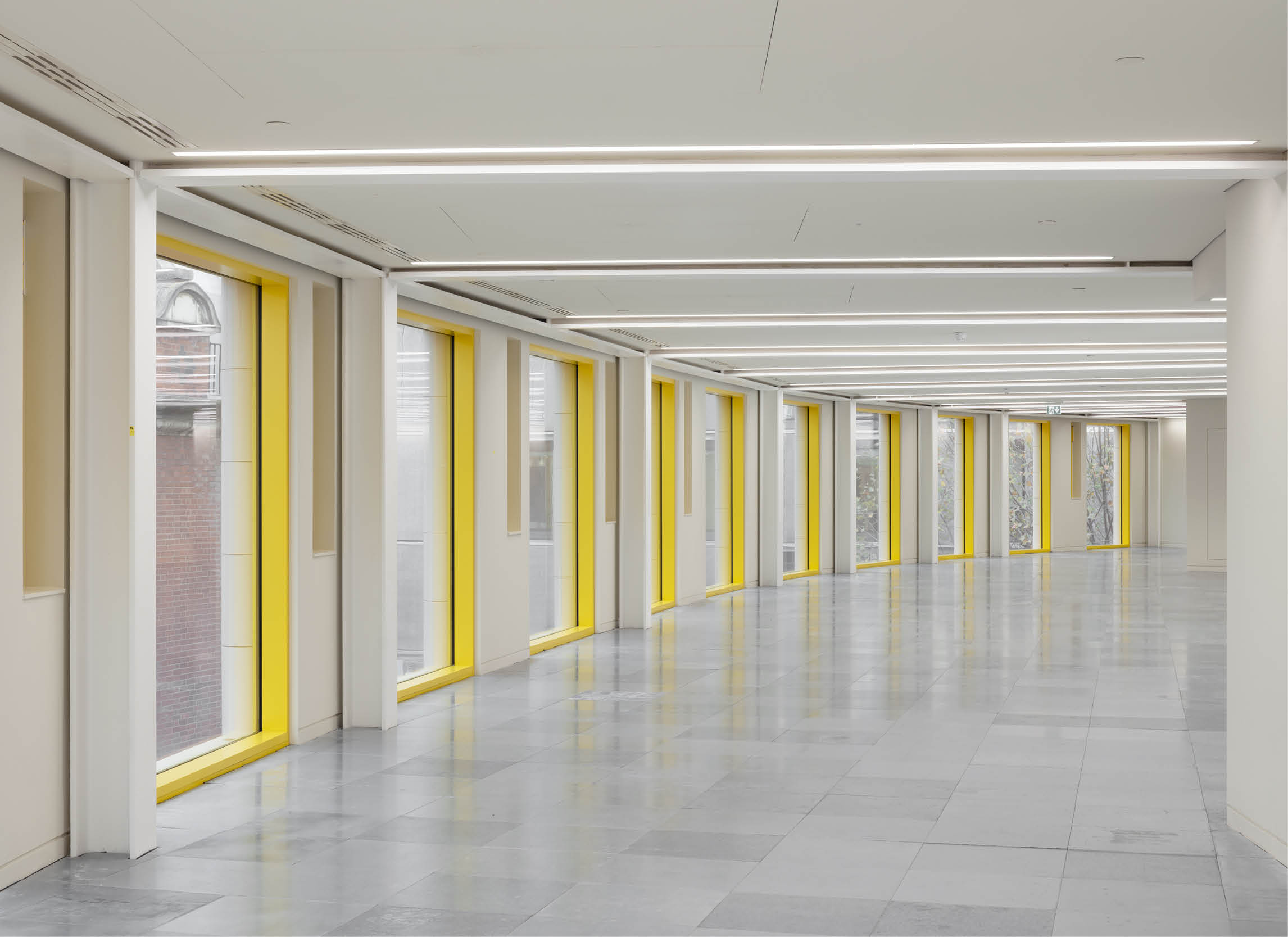
Architecture is a practical art. Here, the aim is to create suitable, enduring, and open architecture: sustainable, fully accessible, flexible, and adaptable, generating comfortable offices in an urban and historic setting near the River Thames.
Arquitecta asociada Jennifer Pirie
Equipo Gavin Hale-Brown, Simon Henley, Jieun Jun, Alessia Junco, Craig Linell, Lucy Norfield, Claudia Schenk, Elise Tinn
Superficie 4.200 m²
Ubicación Londres, Reino Unido
Años 2019-2021 (proyecto), 2022-2025 (construcción)
Construcción Blenheim House Construction (2022-2024), Hudson (2024-2025)
Cliente Global Holdings
Fotografía Rory Gaylor, Johan Dehlin
You may also like
Palacio de Justicia de París
Ubicado junto a la Porte de Clichy, el nuevo Palacio de Justicia diseñado por Renzo Piano reúne la ...
900 Saint-Jacques
En el Quartier des Gares de Montreal, Chevalier Morales proyecta una torre residencial de uso mixto ...

Centro Social Muimenta
Una estrategia de revitalización rural que impulsa la recuperación del entorno construido y la rea ...