900 Saint-Jacques
900 Saint-Jacques
In Montreal's Quartier des Gares, Chevalier Morales designed a mixed-use residential tower that proposes an alternative to the predominant glazed typologies, articulating collective housing, shared spaces, and a prefabricated concrete envelope linked to the city's material tradition.
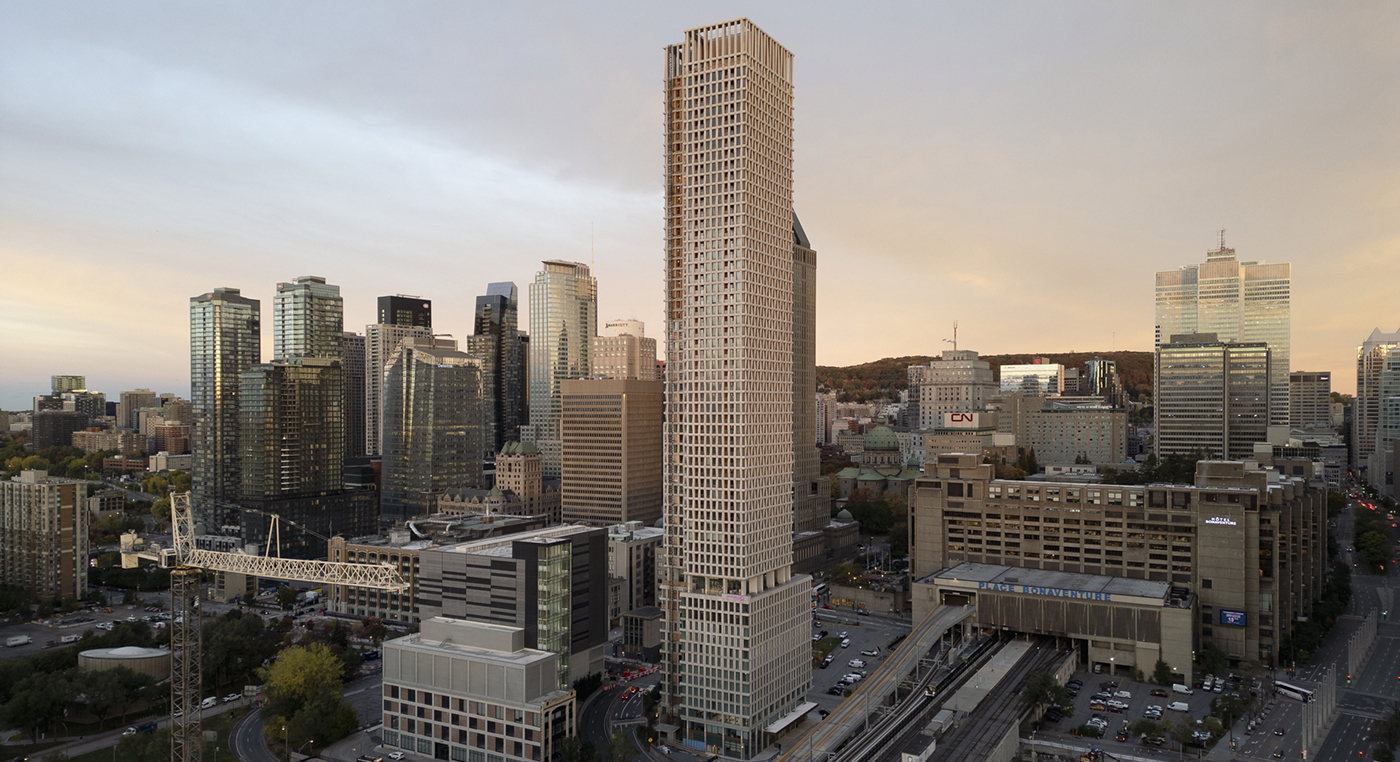
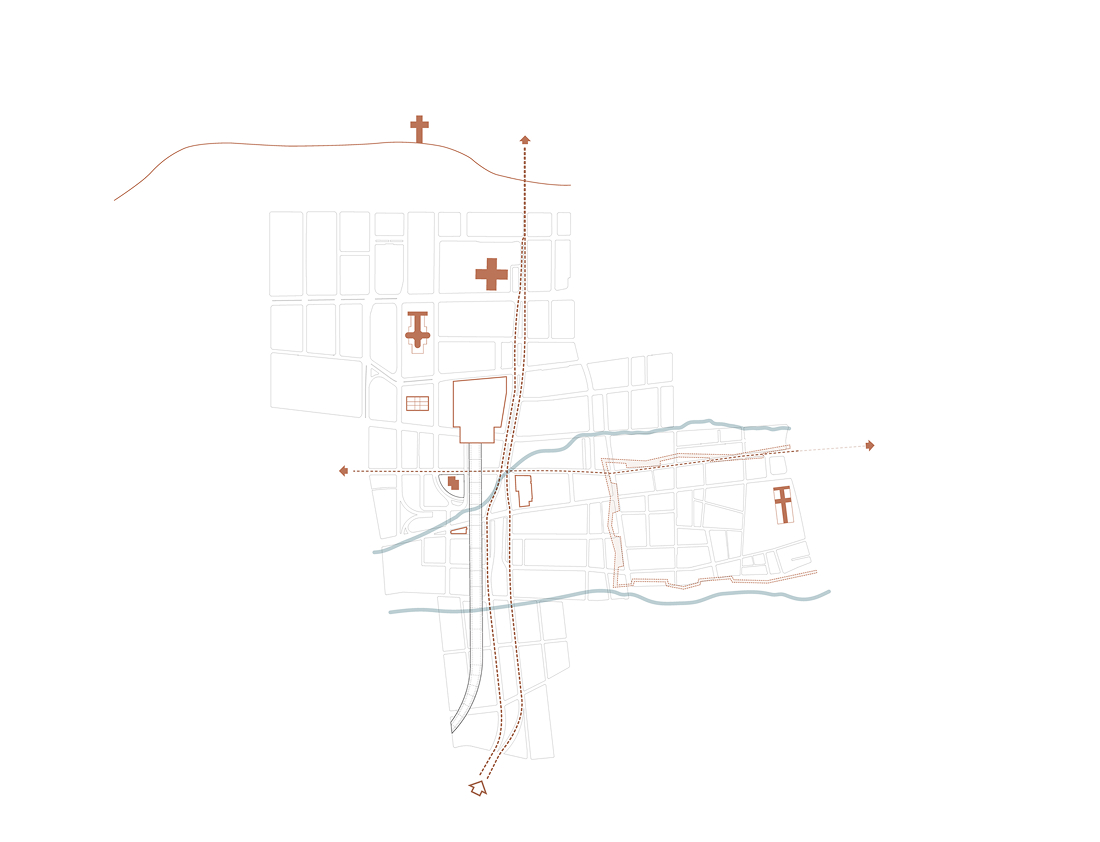
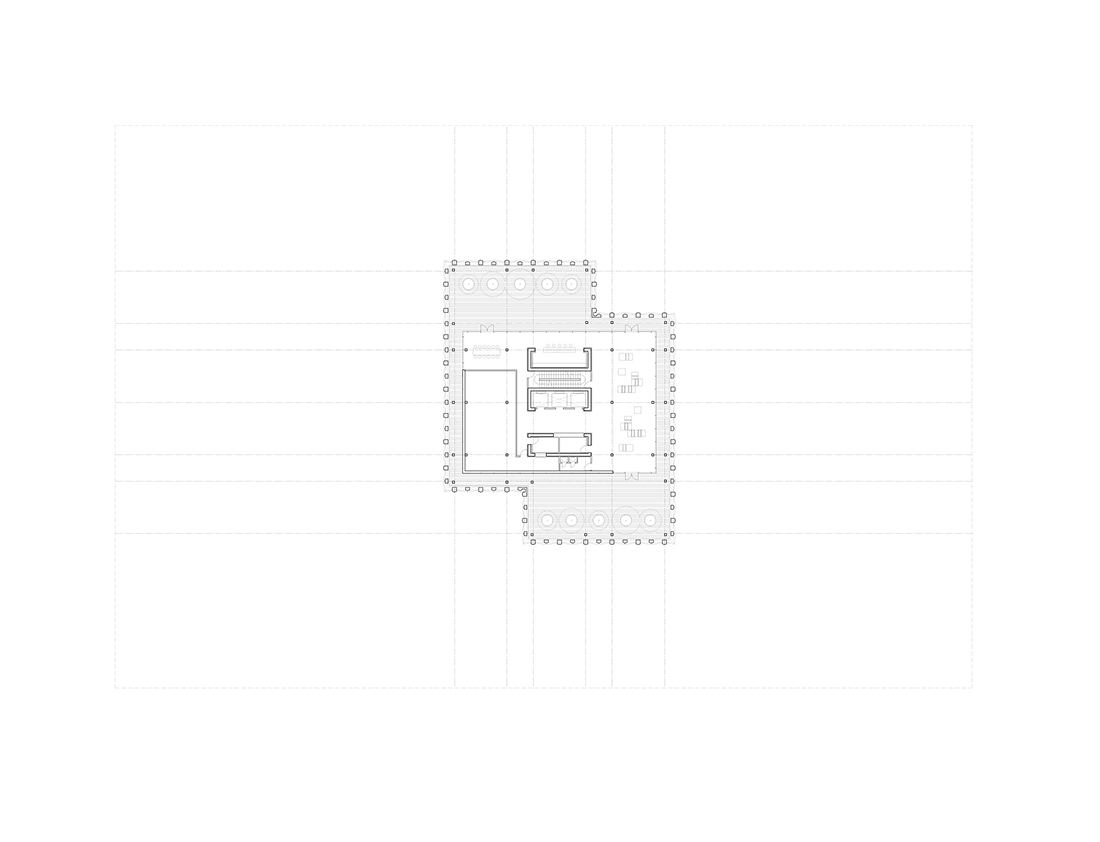
Located in an area historically associated with railway infrastructure and major road corridors, the 900 Saint-Jacques tower seeks to create an urban microcosm capable of responding to contemporary conditions of density and collective living. The project combines a 12-story Moxy hotel, approximately 700 residential rental units distributed across 48 floors, and a series of shared spaces intended for both residents and guests.
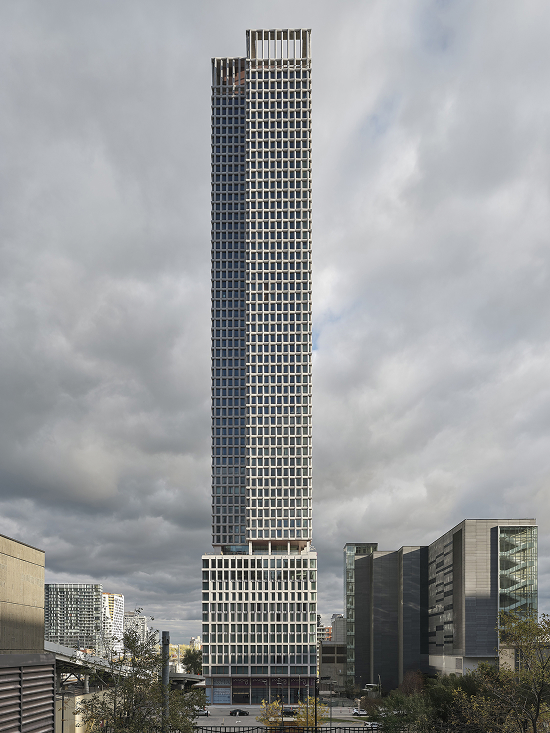
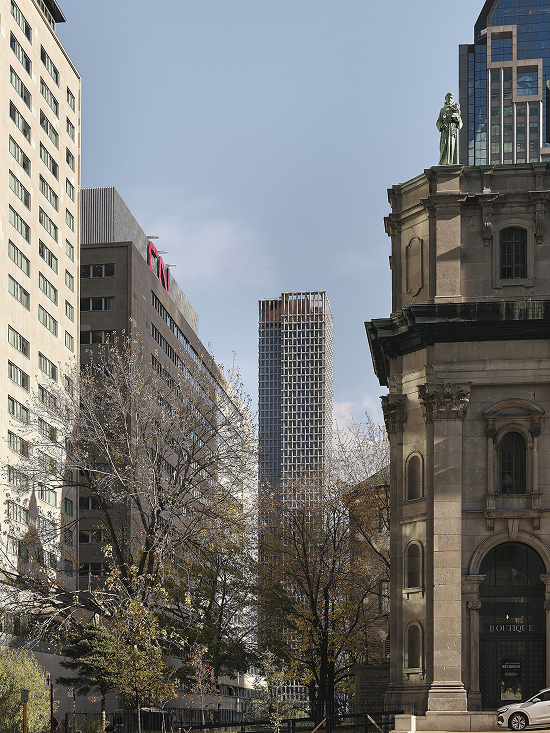
In contrast to the predominance of glass towers in Montreal's skyline, the building proposes a material identity linked to the city's mineral heritage. The envelope, composed of prefabricated concrete panels, reinterprets local architectural references through interlacing patterns and cruciform reliefs that vary according to the incidence of natural light. The repetition and recomposition of a limited number of modules allows for the construction of a continuous, textile-like facade that blurs the boundaries between structure and cladding.
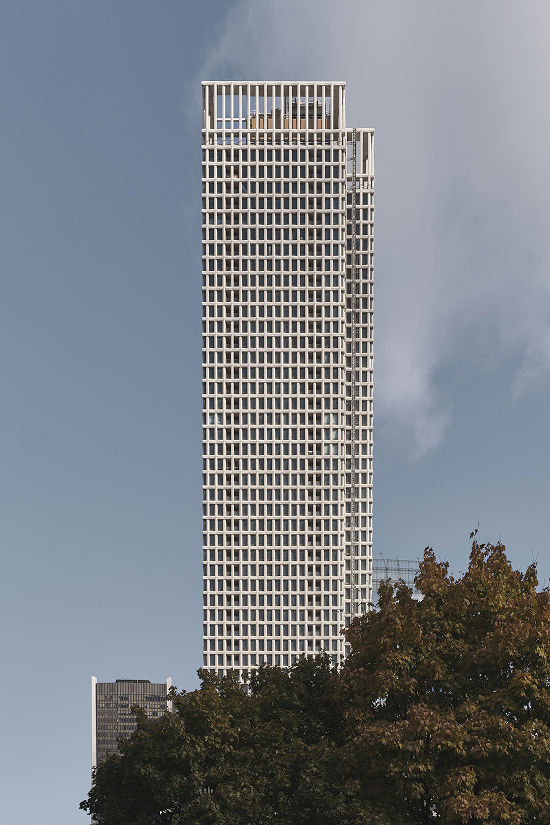
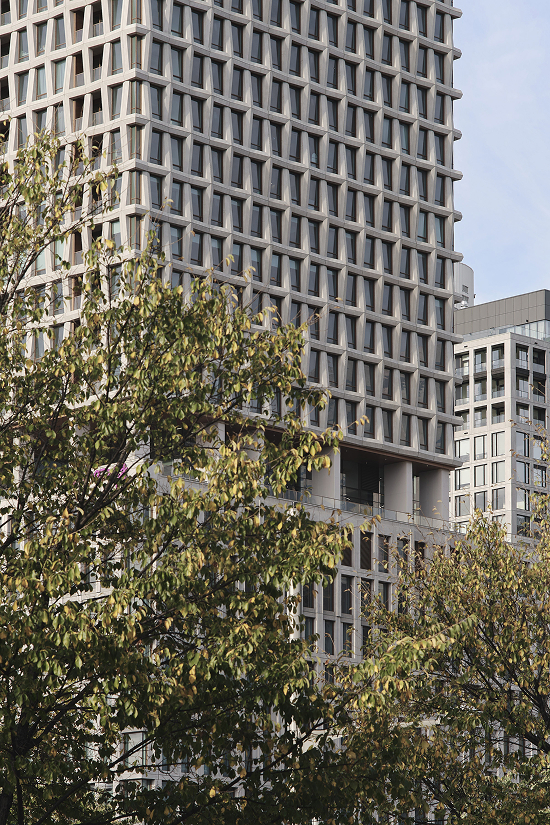
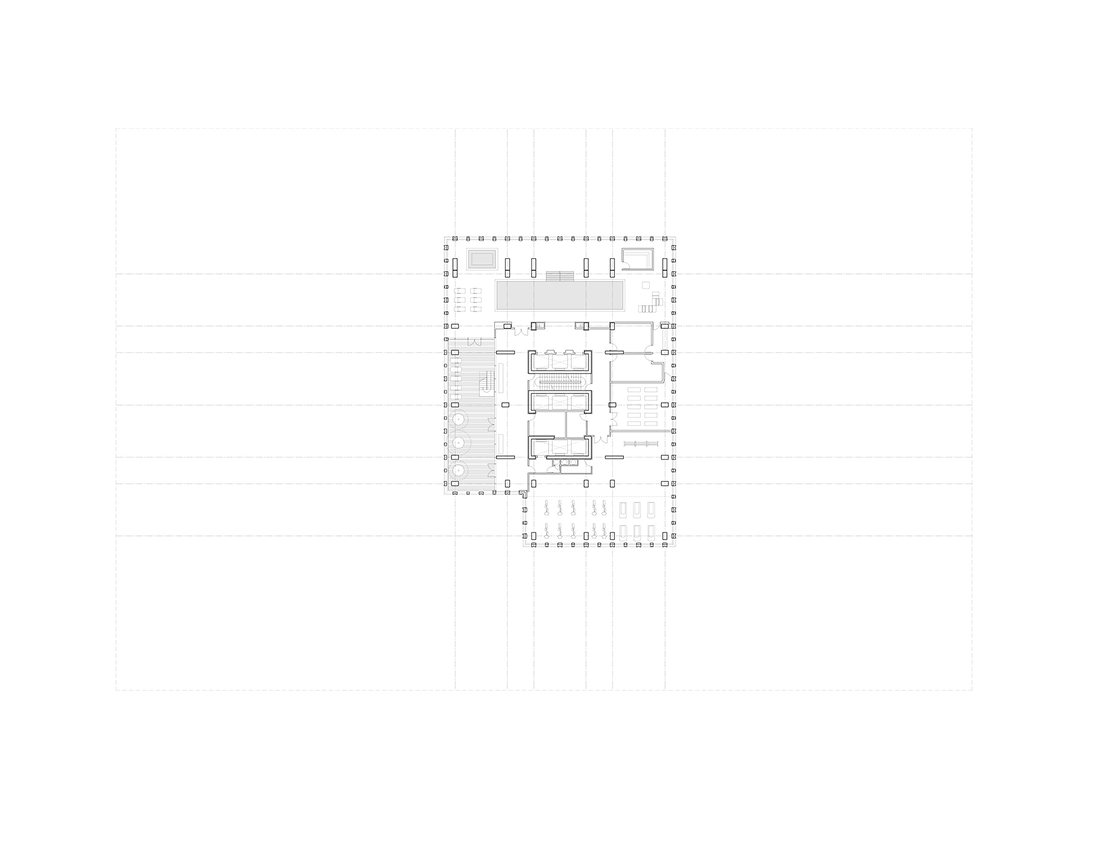
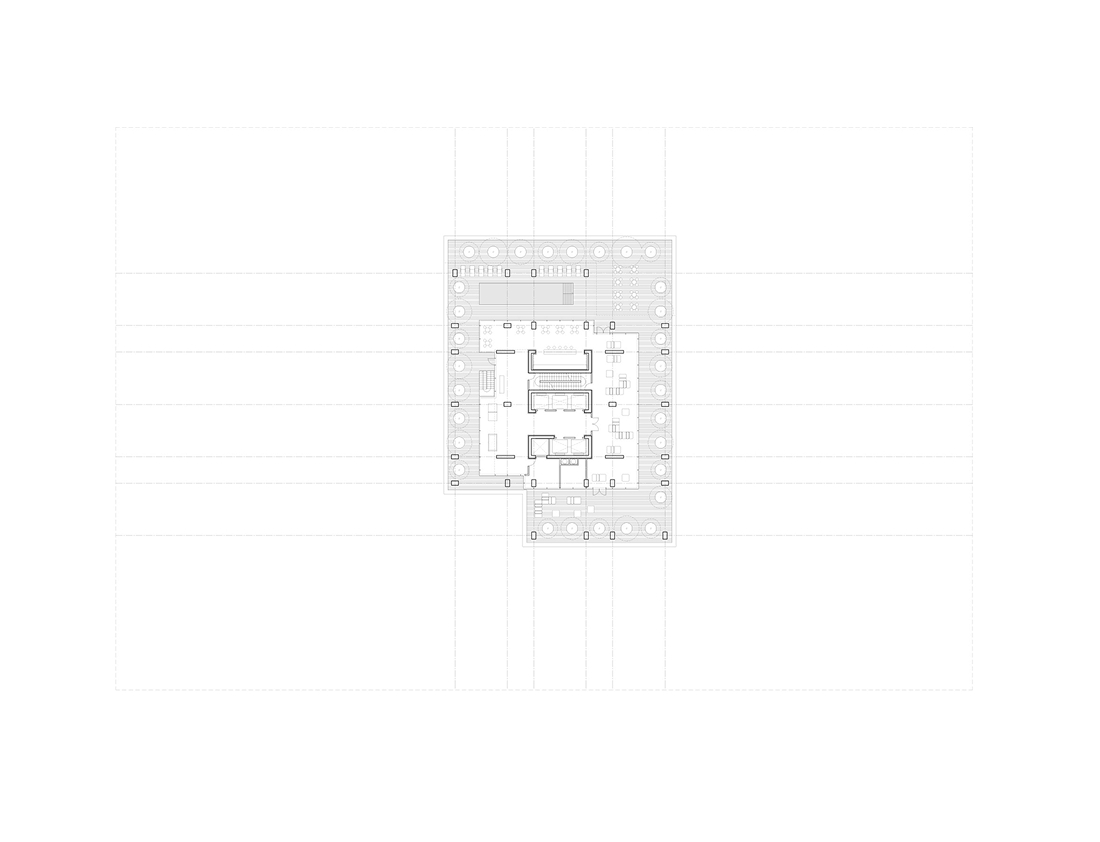
The building's volume is organized into three distinct layers: a transparent base connected to the public space, a landscaped podium, and a tower crowned with terraces and green areas offering views towards Mount Royal. Each of these layers responds to different urban scales and seeks to incorporate green spaces within a high-density structure. At street level, the transparency of the ground floor activates the immediate surroundings and establishes continuity with the neighborhood's pedestrian and cycling infrastructure.
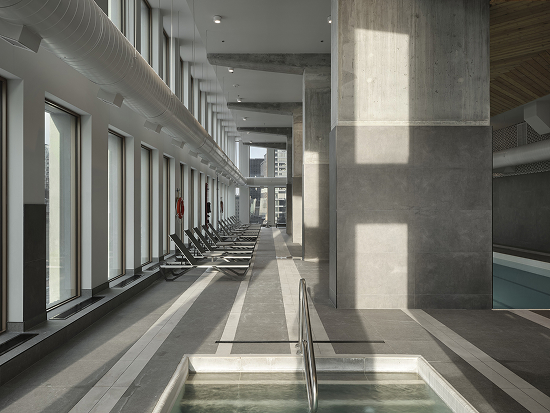
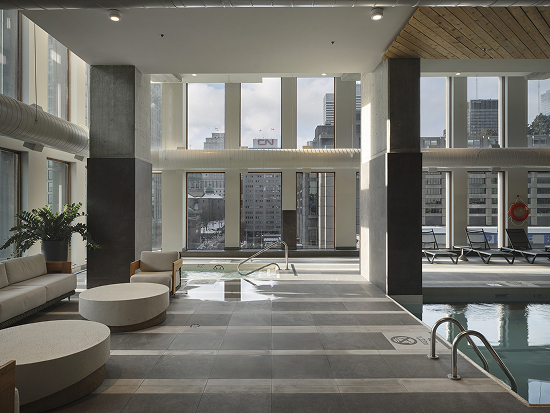
The project places collective life at the heart of the residential experience. Shared kitchens, coworking spaces, gardens, terraces, rest areas, and communal spaces complement the private units and expand the possibilities for everyday use. This network of shared programs seeks to redefine high-rise living as a socially connected way of living, less dependent on the individual logic of the isolated domestic unit.
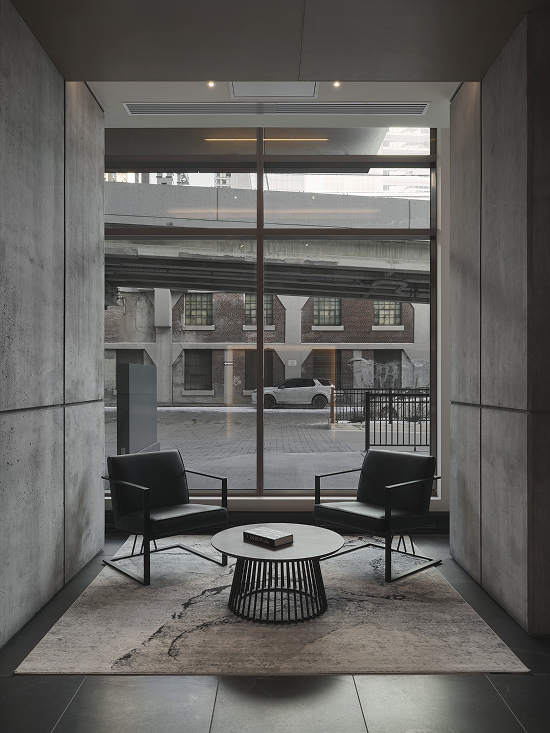
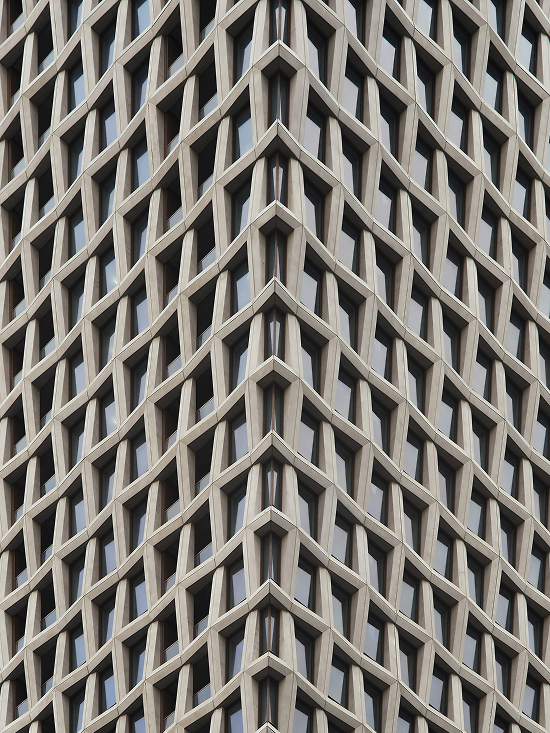
The environmental strategy combines a high-performance building envelope with efficient electromechanical systems and an optimized reduction of glazed surfaces. The use of local materials, water-saving measures, and efficient lighting systems contribute to reducing the building's environmental footprint. According to the study, the prefabricated concrete façade improves winter energy performance by approximately 25% compared to a conventional glass tower.
Superficie 73.000 m²
Ubicación Montréal, Canadá
Años 2026
Cliente Rimap Development
Fotografía Maxime Brouillet
You may also like
Palacio de Justicia de París
Ubicado junto a la Porte de Clichy, el nuevo Palacio de Justicia diseñado por Renzo Piano reúne la ...

Centro Social Muimenta
Una estrategia de revitalización rural que impulsa la recuperación del entorno construido y la rea ...
Kunsthaus Baselland
En Dreispitz, Buchner Bründler Architekten transforma un antiguo depósito industrial en un espacio ...